
There’s a certain type of American who has been to Disney World 3 times and Yellowstone zero.
There’s another kind who drove to the Grand Canyon, took a picture of the South Rim, and left.
And then there’s the parksmaxxer – someone who shows up at a unit of the National Park System, that nobody’s ever heard of, to stand at an overlook that doesn’t have a gift shop, and drives home feeling like they won.
Parksmaxxing is the systematic, intentional pursuit of America’s park lands: national parks, national monuments, national seashores, national battlefields, national recreation areas, national historic sites, state parks, state forests, and every other managed natural and cultural landscape that Americans collectively own.
Parksmaxxing is the ethos that says “I live in one of the most geographically and historically diverse countries on Earth, and I’m going to see as much of it as I can, on foot, with my own eyes”.
This guide is the foundation to use as a primer on how to think about the pursuit.
Whether your goal is visiting all 63 national parks, every state park in your home state, or simply spending more weekends outdoors, this guide will show you how to get started.
What is Parksmaxxing?
Parksmaxxing is the intentional pursuit of visiting America’s national parks, monuments, state parks, forests, battlefields, and other public lands through consistent travel and exploration.
Quick Facts about Parksmaxxing
- Best For: Road trips, history, hiking, and camping
- Difficulty: Beginner-friendly
- Cost: Free to start
- Time Commitment: Lifetime pursuit
- Covers:
- National Parks
- National Monuments
- National Historic Sites
- Other Public Lands (National Forests, Grasslands, etc.)
- State Parks
What Parksmaxxing Actually Is
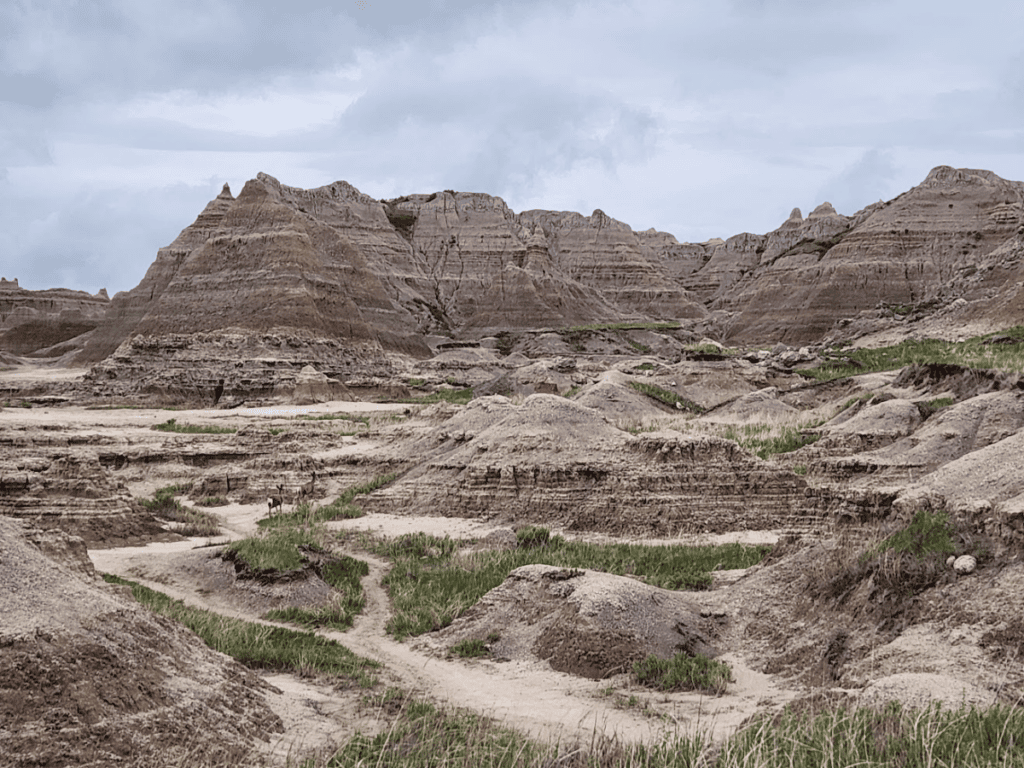
Parksmaxxing is not bucket-list tourism, driving past a sign to say you’ve been somewhere. It’s an immersive practice, the accumulation of real visits. Miles are walked, weather is endured, history and landscapes are lived and understood. It’s showing up to unheard-of places with the same energy you bring to the iconic ones. It’s knowing that America’s park system contains more than 400 units, and most Americans can’t name 10% of them, much less say they have visited them.
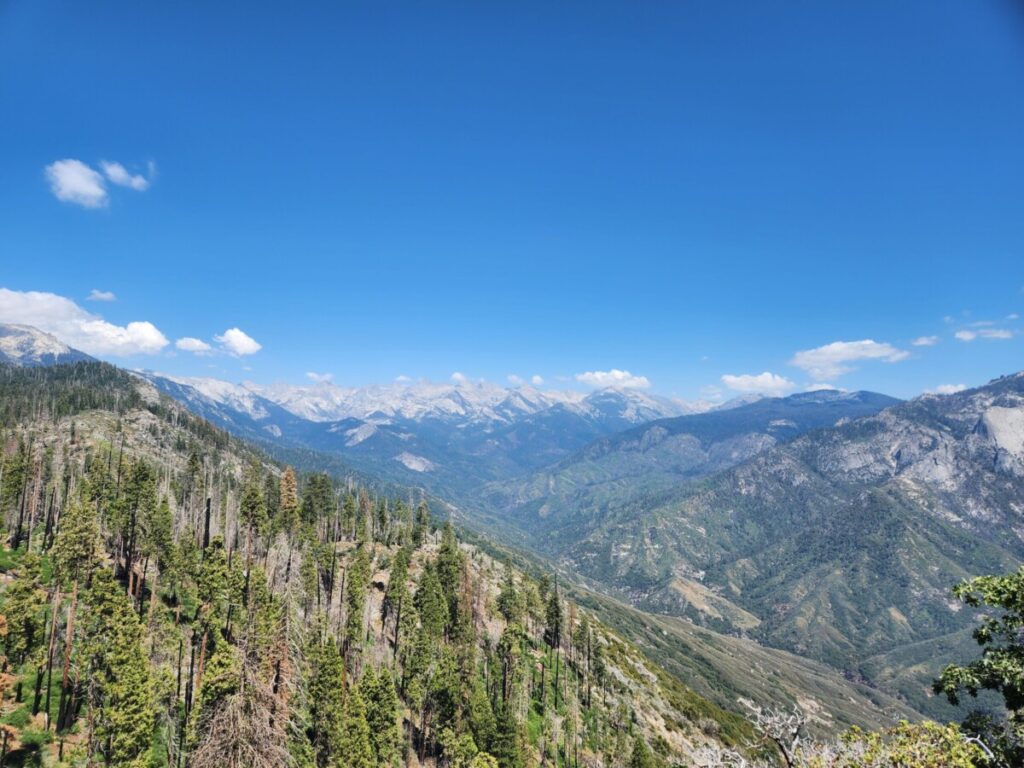
The goal is to see more of this country. As of July 4, 2026, America is 250 years old. It has accumulated a lot of history. If you’ve walked the lupine meadows of Sequoia National Park, seen the swamp where the Long Knives traversed at George Rogers Clark National Historic Park, or watched the mammoth dig at Waco Mammoth National Monument, you’ve seen an America that most citizens didn’t even know exists.
Why Parksmaxxing?
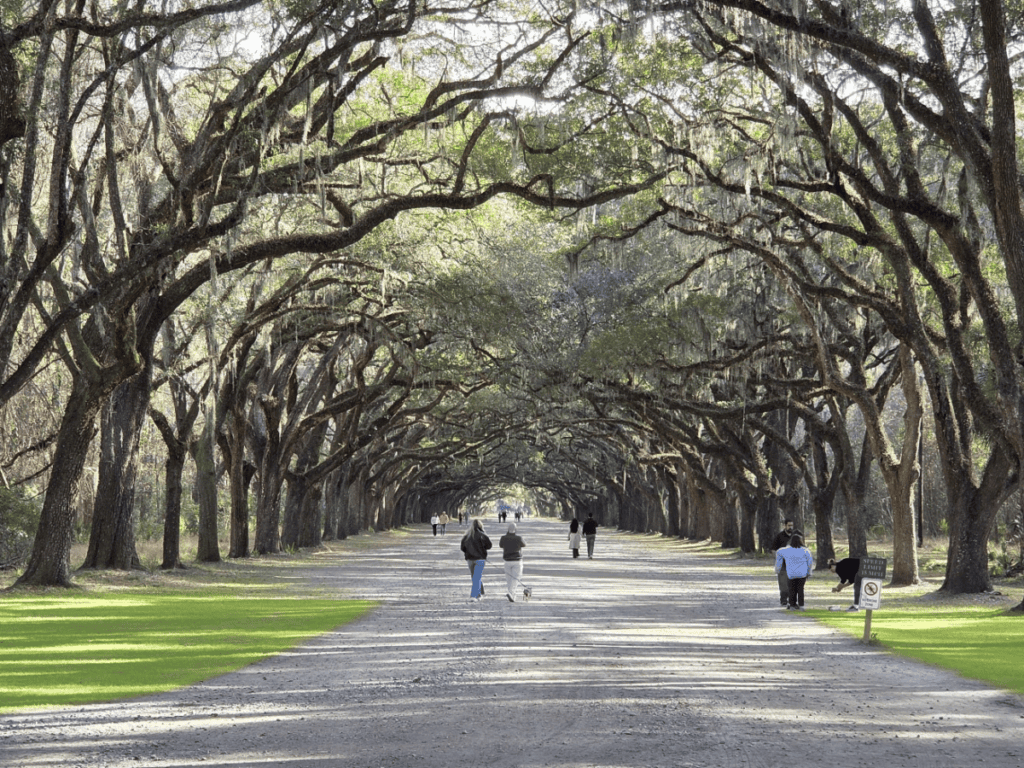
This isn’t just about seeing more places. It helps you to spend more time outdoors, discover overlooked destinations and hidden gems, learn American history firsthand, stay active, plan meaningful trips with your family, make better use of your weekends, and build lifelong memories.
Who Should Try Parksmaxxing?
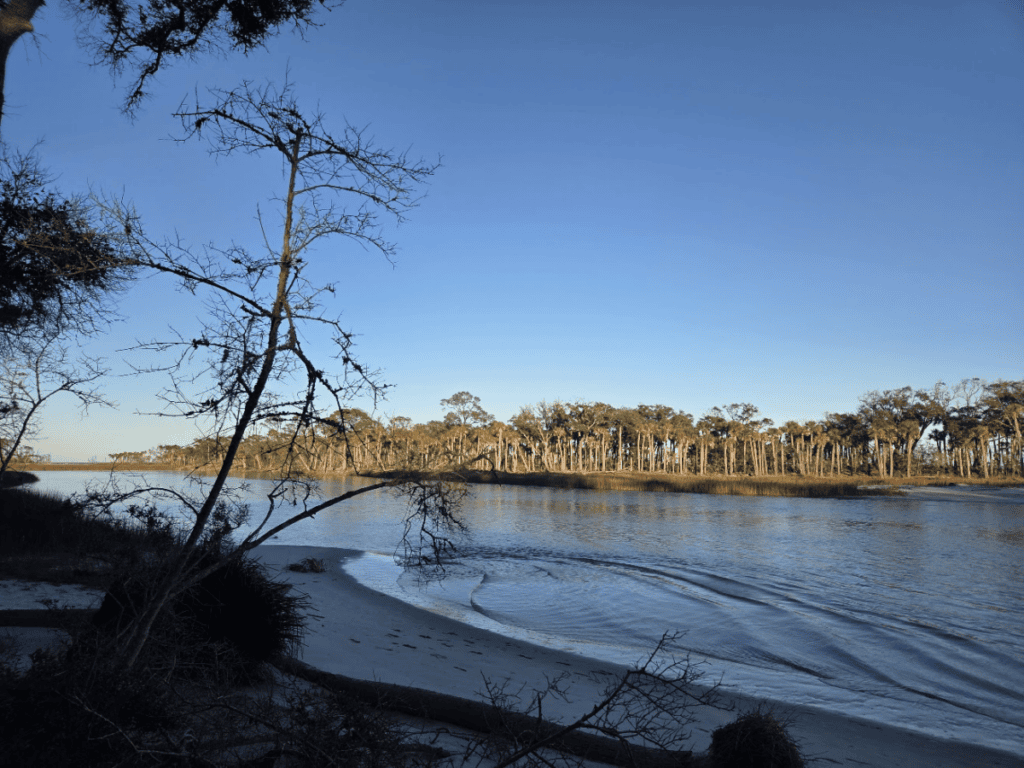
Parksmaxxing is ideal for:
- National park collectors
- Weekend road trippers
- Families looking for affordable vacations
- Hikers
- Campers
- History enthusiasts
- Photographers
- Anyone wanting to see more of America
It is especially rewarding if you enjoy checking destinations off a long-term travel list while experiencing places most tourists overlook.
Understanding What You’re Actually Chasing
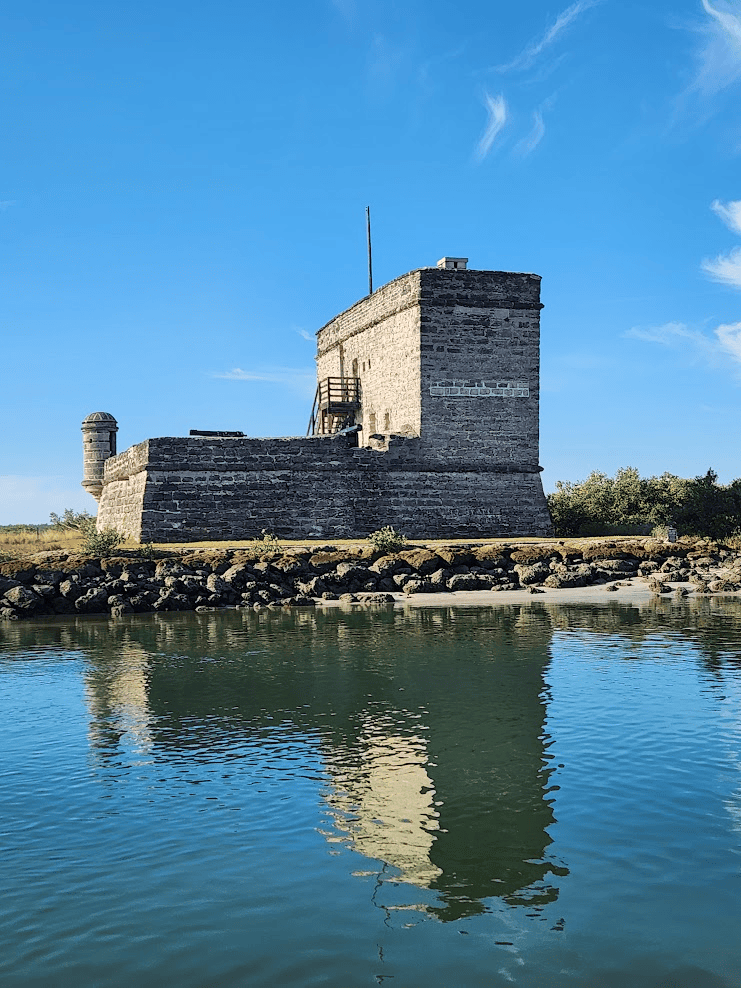
Most people think “national parks” means Yellowstone, Yosemite, the Grand Canyon, and Great Smoky Mountains. Those are national parks, but they represent fewer than 15% of the total units managed by the National Park Service.
The full NPS system contains more than 430 units across every state in the country. These include:
National Parks: The crown jewels, and generally the highlights of the NPS sites. There are currently 63 designated National Parks, from Acadia to Zion. These are the units with high visitation, timed entry reservations, and entrance fees.
National Monuments: These are often more interesting than the parks. National Monuments protect everything from ancient cliff dwellings at Bandelier to volcanic landscapes at Craters of the Moon to offshore marine ecosystems at Papahānaumokuākea. Some are massive and some are small. Presidents can designate them without Congress.
National Historic Sites, National Historical Parks, and National Memorials: These are the cultural layer of the system, like Ford’s Theatre, Harriet Tubman’s Birthplace, and MLK Jr.’s childhood neighborhood. They preserve and interpret the country’s history in an immersive way.
National Seashores and Lakeshores: Gulf Islands, Cape Hatteras, Pictured Rocks, and Sleeping Bear Dunes are some examples of the miles of protected shoreline without development pressure.
National Recreation Areas: These are often built around large reservoirs like Lake Mead and Glen Canyon. They prioritize recreation, provide good water access, and are undervisited.
National Parkways: Examples are Blue Ridge Parkway, Natchez Trace Parkway, and George Washington Memorial Parkway. These are landscapes meant to be driven, biked, or walked.
National Battlefields and Military Parks: These are the sites of major battles like Gettysburg, Chickamauga, Antietam, and Vicksburg. They provide a historical understanding with no substitute.
National Scenic Trails, Wild & Scenic Rivers, and more: These are the edges of the NPS system, but they are still part of the portfolio.
| Park Type | Managed By | Example |
| National Park | NPS | Mammoth Cave |
| National Monument | NPS | Devils Tower |
| National Historic Site | NPS | Reconstruction Era |
| National Seashore | NPS | Gulf Islands |
| State Park | State Government | Wekiwa Springs |
America’s Parks by the Numbers
America manages one of the largest systems of protected public lands in the world, including:
- 63 National Parks
- 430+ National Park Service units
- More than 8,000 state parks nationwide
- Hundreds of National Forest recreation areas
- Millions of acres of protected public land
- Hundreds of millions of annual park visitors
The State Park Layer
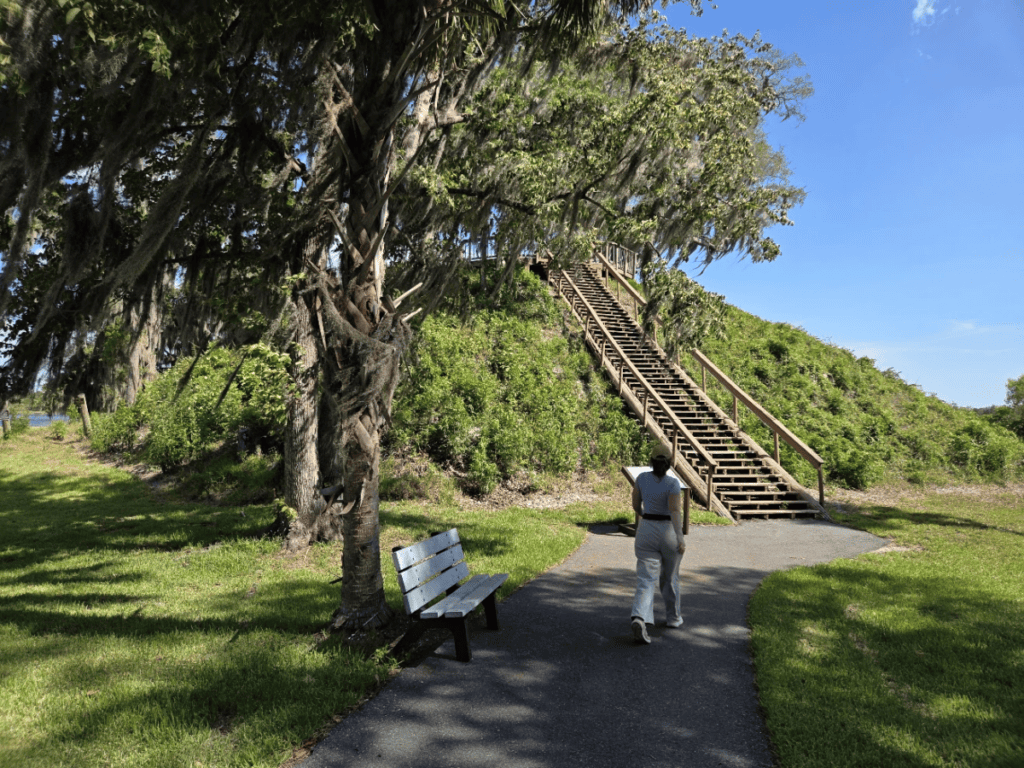
National Parks get all of the love, but state parks are where most Americans actually spend their outdoor time. These protect some of the country’s great natural and historical landscapes.
Every state has a park system. Some are huge, and California manages over 280 state park units over 1.6 million acres. State parks represent land that somebody decided was worth protecting, and that warrants a visit.
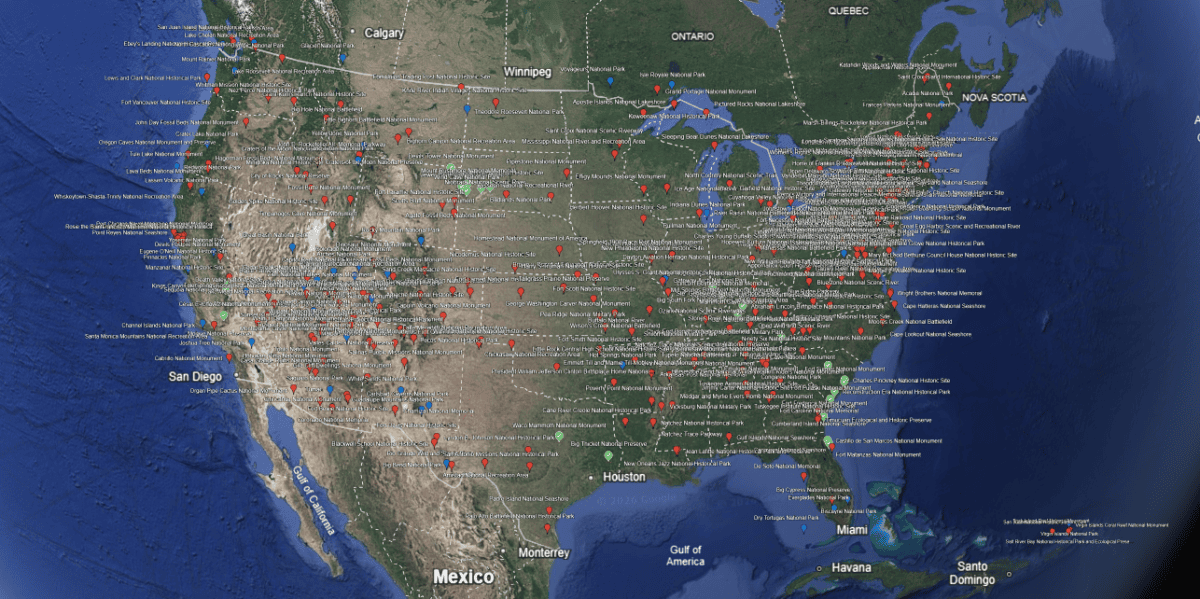
Start with your own state. Most people have never visited a quarter of the state parks in their home state. These can be the foundation of your parksmaxxing. Start by visiting the parks you can day-trip to and work outwards. Build a list, map them on Google Earth, or purchase a travel map.
Push into surrounding states. As Florida parksmaxxers, we spend time in South Carolina and Georgia. This allows us to see diverse landscapes like mountains and piedmont that we would otherwise miss out on if we stayed in our home state.
State parks are often easier to access than national parks. There are not generally timed entry reservations or summer crowds, camping is cheaper, and there are fewer cars. These are often underrated. Note that this is not universally true, state parks near population centers like Wekiwa Springs in Florida require reservations, and Blue Spring State Park requires getting up early to wait in line to guarantee entry.
The America the Beautiful Pass
If you’re serious about seeing America’s parks, you need the America the Beautiful Annual Pass. This $80 pass covers entrance fees for one year at all federal lands, like NPS sites, National Forests, BLM areas, US Fish and Wildlife Refuges, US Army Corps of Engineers recreation areas, and Bureau of Reclamation sites.
We save hundreds every year with this pass.
There are other alternatives, like the lifetime Senior Pass ($80), Access Pass (free), Military Pass (free for active duty and dependents), and the Fourth Grade Pass (free for 4th graders and their families).
The America the Beautiful Pass does not cover state parks. Most states sell their own annual pass, and for your home state it is worth running the numbers.
The NPS Passport Stamp Book
If you have ever been to a national park visitor center, you’ve seen the National Parks Passport Book. It is small and spiral-bound, letting you collect cancellation stamps from every unit you visit.
You should purchase one and stamp it at every site you visit. We do not have the official one, we have a 3rd party version that lets us collect stamps, a sticker, and have a small area to journal about what we saw and experienced.
The stamps are free, and the passports help to act as a working bucket list to help you build your map and plan future travel. Collecting the stamps helps you to turn passive drive-throughs into engaged visits.
Building Your List
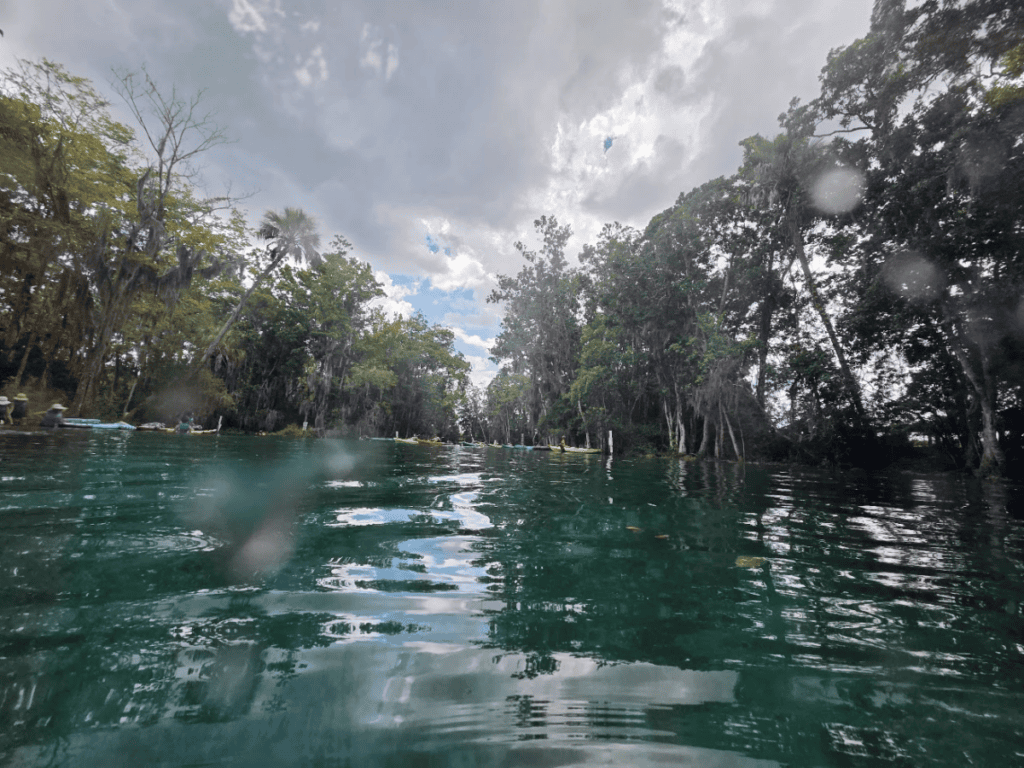
Personally, we have a goal of visiting all 430+ NPS Sites and every state park in our home state of Florida. This does not need to be your goal too, you should build your own bucket list. To help you start, check out:
The 63 National Parks: If you’re going to set a long-term goal, completing the 63 national parks is the most common. Some require expedition planning (Gates of the Arctic, Isle Royale, Katmai, and others). Some are half-day stops on a road trip through the region.
Your State’s NPS Units: Every state has at least one, and some have dozens. If you live in South Dakota, you’ll see units like Jewel Cave National Monument and Minuteman Missile National Historic Site.
All NPS Units in Surrounding States: Once you’ve mapped out your home state, expand your radius. For example as Floridians, next steps that make sense are Fort Pulaski NM in Georgia and Charles Pinckney NHS in South Carolina.
State Parks: Home State First, then the region: Make a list of every state park in your state, and try to visit them all over time. Do the same for neighboring states.
Undervisited Units: Seek out the sites that nobody talks about. You can find them on the NPS App and state park websites.
Traveling as a Tool to See More Parks
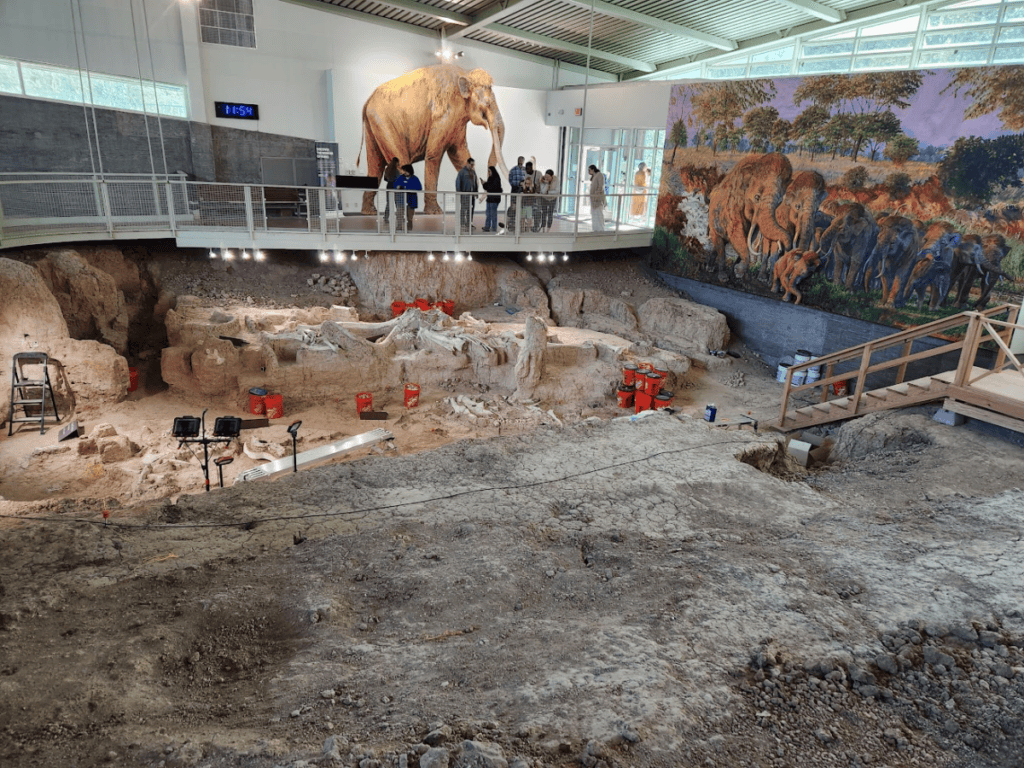
Obviously, traveling is required to see all of the national parks and NPS sites. Over time, you are also likely to travel to see family, go to weddings, and for work. Since you already paid for gas or a plane ticket, you might as well stay a few more days and see the region’s parks.
We have used this strategy several times with great success. It keeps travel costs down by combining trips, and helps you to see more of the country than you otherwise would have. Some examples are our recent trip to Indiana for a graduation and our trip to Georgia for a friend’s wedding.
Tools that Help
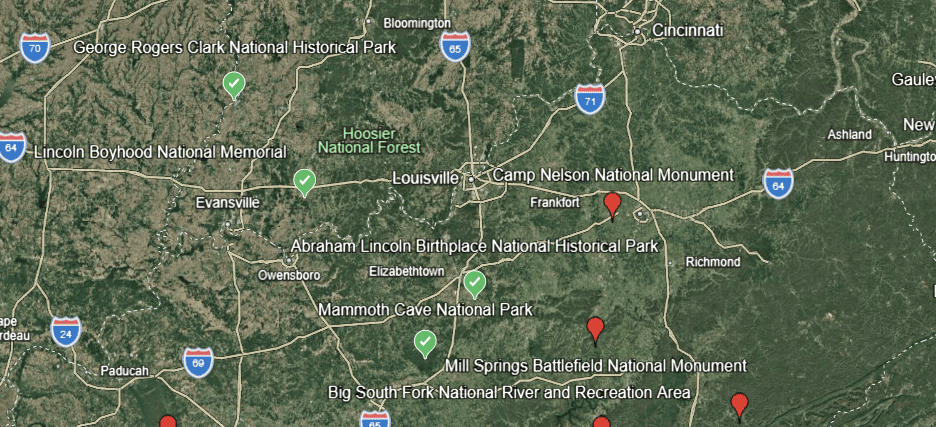
For a deep dive, on how to find parks, check out our in-depth guide with an actual example on how we planned a trip to Charleston, South Carolina.
Some of the tools that you can use are:
The NPS App (free): This official app has trail maps, visitor information, and downloadable offline maps for when you’re out of cell range. It has a unit directory too that helps you fill out your bucket list.
Recreation.gov: The federal reservation platform for campsites, permits, timed entry passes, ranger-led programs, and access lotteries. You should know the release dates for the hard-to-access parks you want to visit.
AllTrails: This is what we use for trail research and conditions reports. Make sure to download your park ahead of time if cell service is spotty.
Gaia GPS: Useful for off-trail and backcountry navigation. This contains topographical overlays, multiple layers, and offline functionality.
Your State Park System’s App or Website: These vary in quality, and larger states with a lot of parks like Florida and California have pretty good websites and directories. I linked to all of them in our post on how to find parks.
iOverlander/The Dyrt/FreeRoam: These tools can be used to find dispersed camping on BLM and National Forest land adjacent to NPS units. Camping on surrounding federal lands is often better and cheaper than the park’s campgrounds.
Seasonal Notes

The most visited parks run on an annual cycle: empty in winter, growing visitation in spring, overcrowded in summer, and quieter in fall. Most parksmaxxers quickly learn that summer in Yellowstone, Zion, or Great Smoky Mountains is a managed chaos, and they book trips to major parks in shoulder seasons.
A seasonal calendar with quarterly trips looks something like this:
Winter: Go south and west. Desert parks (like Big Bend, Saguaro, Joshua Tree, and Death Valley) are at their best in the winter. Gulf Coast National Seashore is uncrowded, and Florida’s parks are at peak season. If you ski or snowshoe, Rocky Mountain parks offer a completely different experience than summer.
Spring: Wildflowers and green growth. Timing varies by elevation and how far north each park is, so do the research on bloom windows for specific parks and regions. Spring generally has lower crowds and pricing, but variable weather. Trails may be muddy from snowmelt.
Summer: Timed entry and advance reservations are generally required at major parks. Book early or plan for early morning or weekday arrivals. This is the window for northern parks like Glacier, Acadia, and Alaska, and high-elevation destinations that cannot be accessed in winter.
Fall: The best season across the largest number of parks. Crowds fall off after Labor Day, foliage is crazy, and the elk and deer rut is on. This is the best time for most parks.
The Reservation Reality

Timed entry reservations are now a permanent feature of major national parks. Arches, Glacier, Rocky Mountain, Acadia, and several others require reservations before you show up at the gate. Recreation.gov handles most of these, and the competitive ones release 90 days in advance and fill up in minutes.
Know your target parks for this quarter’s trip and their reservation systems, and set calendar reminders for release dates. Don’t let a missed reservation window be the thing that stops you from seeing a park. The parks still have sections and trail systems that do not require timed entry even when the main entrance does. Learn the back-country permit systems.
Remember that the less-visited parks (most NPS Sites that are not national parks) have no reservation systems at all. Show up whenever you want and walk right in.
Dispersed Camping and the Full Public Land Ecosystem
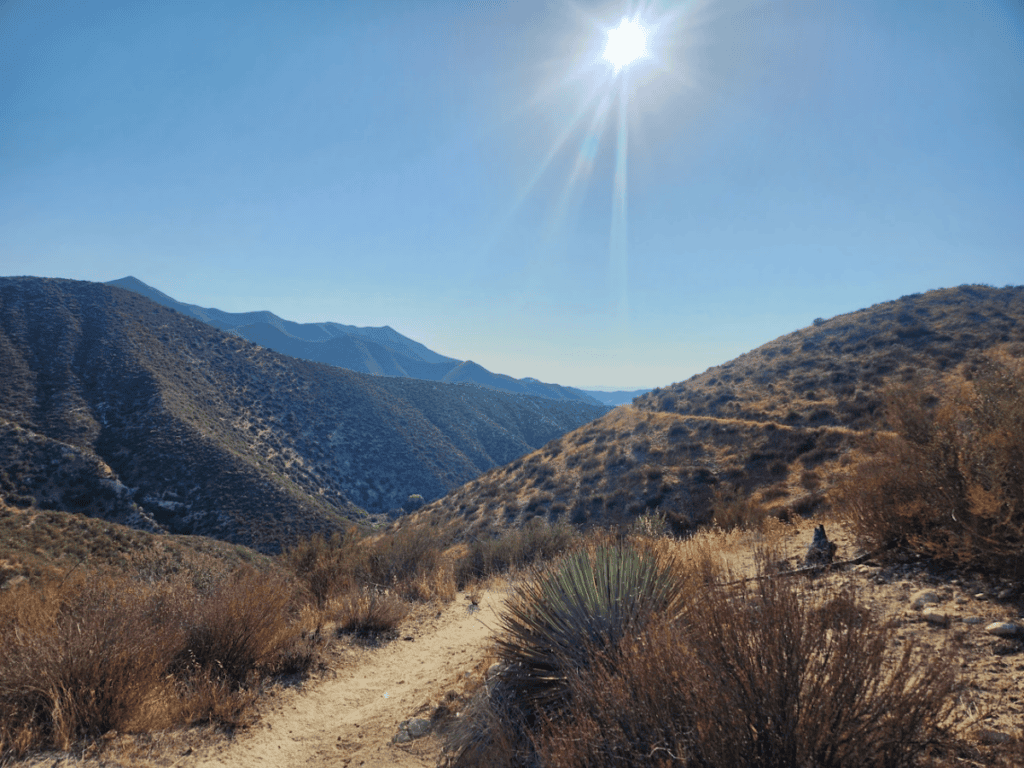
Parksmaxxing exists inside a larger ecosystem of public lands. National parks are often surrounded by National Forests, BLM land, National Grasslands, and other federal holdings where dispersed camping is free and permit-free.
For example, Sequoia National Forest surrounds Sequoia and Kings Canyon National Parks. The Coconino and Kaibab National Forests bracket the Grand Canyon on both rims.
You should learn how to move fluently between NPS units and the broader federal landscape. Your campsite doesn’t have to be in the park, and some of the best hikes are outside of the park boundary. Your goal is engagement with the American landscape.
The Conservation Ethos
We are the beneficiaries of the land protections and management established by previous generations. This leaves Americans with the obligation to continue to protect the land.
Leave no trace, and pack out what you pack in. Advocate for land to continue to be protected and for management to be funded.
How to Start
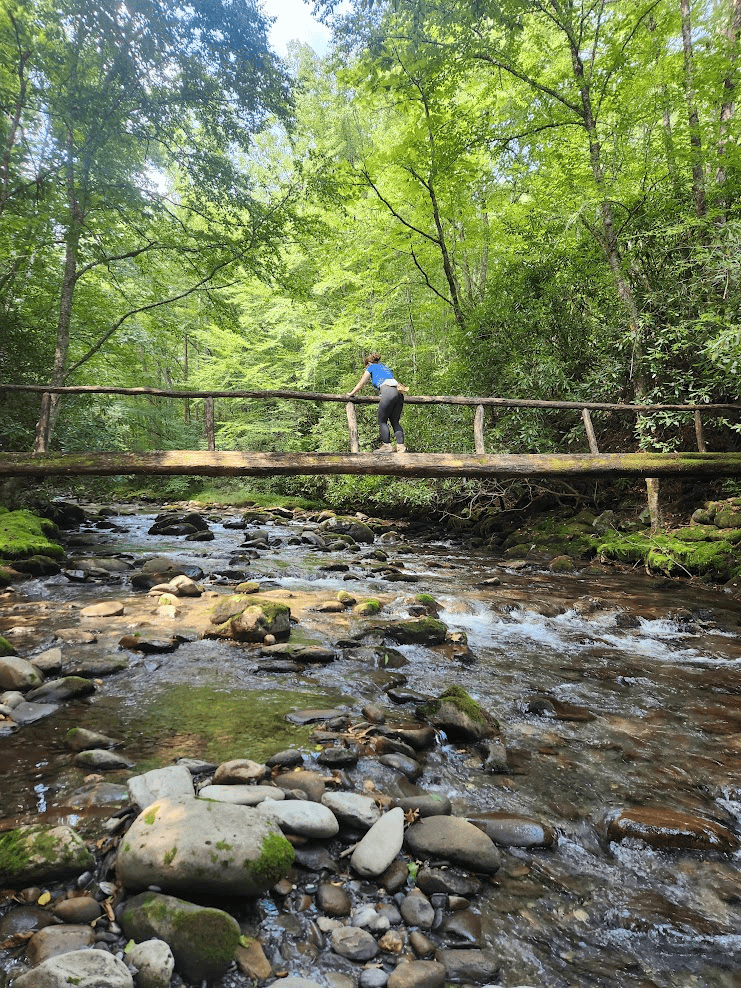
Start with whatever park is closest. Find the NPS units within two hours of where you live, and find the state parks in your and neighboring counties. Go to one this weekend, hike the trails, talk to the ranger, and see whatever sights are involved.
Make a list, and mark the ones you’ve done. Keep letting the list grow as your range does.
You are living in the most extraordinary collection of protected landscapes on the planet, you should start seeing it.
Quick Start Checklist
Here is what I would do to start seeing the parks:
- Buy the America the Beautiful Pass (Online at recreation.gov or at any NPS entrance station)
- Get a National Parks Passport Stamp Book
- Download the NPS app
- Download AllTrails
- Create an account on Recreation.gov
- Look up all NPS units within two hours of your home
- Look up all state parks in your county and surrounding counties
- Build a spreadsheet or use a notebook to list out every NPS unit and state park in your state
- Plan your first trip for this weekend to a unit you haven’t visited
- Research your state’s annual state park pass
- Set a goal to visit a number of units in the next year (maybe 12 or 24)
Common Parksmaxxing Mistakes
This practice is straightforward, but make sure to avoid the following:
- Only visiting famous national parks
- Ignoring nearby state parks
- Waiting until summer to travel
- Forgetting reservation windows
- Driving through parks without hiking
- Skipping visitor centers and ranger programs
- Not buying annual passes when they make financial sense
Frequently Asked Questions
Do all NPS units have entrance fees?
No. Most NPS units are free to enter. Only about 120 of the 430+ NPS sites charge an entrance fee, and the America the Beautiful Pass covers those. Free sites include most national monuments, historic sites, battlefields, seashores without entrance stations, and parkways. Always check the specific unit’s page on nps.gov before you arrive.
How many national parks can realistically be visited in a lifetime?
All 63 if you are motivated. It requires intentional trip-planning over a period of years, and some parks (Alaska’s remote units, in particular) require genuine expedition logistics. But it’s a reasonable lifetime goal for someone who travels regularly and treats parks as a priority rather than an afterthought.
What about parks in US territories?
They count. Virgin Islands National Park, National Historical Park of American Samoa, War in the Pacific National Historical Park in Guam — these are full NPS units and worth pursuing if your travel takes you to those places. The passport book has pages for them.
Is there an official list of all NPS units?
Yes. nps.gov/findapark contains the full directory, filterable by state, type, and other criteria. The NPS app replicates this in a more mobile-friendly format. Print a list, export a spreadsheet, or work from the passport book. Use whatever format keeps you organized.
What’s the difference between a national park and a national monument?
National parks are designated by Congress and typically represent the country’s most significant natural landscapes. National monuments can be designated by the President under the Antiquities Act of 1906 and protect both natural and cultural resources. Many national monuments have later been elevated to national park status (Grand Canyon started as a monument). Neither is more or less worth visiting — some monuments are among the most spectacular landscapes in the country.
I live in a region with a lot of NPS units close together. How do I approach that efficiently?
Plan by region, not by individual site. The NPS divides the country into seven regions, and most serious parksmaxxers think in terms of regional trips that cover multiple units. A trip to southwest Utah might logically include Zion, Bryce Canyon, Capitol Reef, and Canyonlands. A trip to the Civil War battlefields of northern Virginia might cover five or six units in a single long weekend. Think in clusters.
Does it matter what order I visit parks in?
No. Start where you are. Work outward. The only bad order is no order.
Do state parks have annual passes?
Many states offer annual passes that can quickly pay for themselves if you visit multiple parks each year. Benefits and pricing vary by state, so check your state’s park system website before purchasing.
Is parksmaxxing expensive?
Not necessarily. Many parks are free to visit, and road trips, camping, and annual passes can significantly reduce travel costs. Visiting nearby parks first is one of the most affordable ways to get started.
Can you parksmaxx with kids?
Absolutely. Many national and state parks offer Junior Ranger programs, easy hiking trails, visitor centers, and educational exhibits that make parks excellent family destinations.
How do I keep track of parks I’ve visited?
Many people use the National Park Passport Book, spreadsheets, Google Maps, travel journals, or dedicated apps to record visits and plan future trips.
Should I prioritize national parks or state parks?
Start with whichever is closest. State parks are often easier to visit frequently, while national parks may require more planning. Over time, most parksmaxxers enjoy exploring both.
What’s the best season to start parksmaxxing?
Any season works, but choosing parks suited to the time of year provides the best experience. Desert parks shine in winter, mountain parks peak in summer, and many destinations are ideal during spring and fall.
Conclusion
Parksmaxxing isn’t about checking boxes, it’s about building a lifetime of experiences in America’s greatest natural and historic places. Whether you begin with the state park down the road or a bucket-list national park across the country, the important part is getting started. Every park you visit adds another chapter to your understanding of America’s landscapes, wildlife, history, and people.
Leave a Reply