
Three Sisters Springs is one of Florida’s most beautiful natural attractions. Whether you want to swim in crystal-clear water during the summer or watch hundreds of manatees gather in winter, this Crystal River spring deserves a spot on your itinerary.
We visited after a morning of scalloping in July 2026, and here’s everything we learned about this unique spring:
Quick Facts
- Location: Crystal River, FL (springs accessed via Kings Bay)
- Water Temp: 72°F year-round
- Entrance Fee: Boardwalk/land access: ~$12–$20 per adult depending on season; water access (swim/paddle): free if launching your own vessel
- Hours: Daily, 8:30 AM – 4:30 PM (last entry 3:30 PM); in-water access sunrise to sunset, subject to seasonal closures
- Activities: Swimming, snorkeling, kayaking, paddleboarding, boardwalk viewing, birdwatching, hiking
- Wildlife: Florida manatees (up to 550–600 in peak winter season), over 100 documented bird species, otters, alligators
- Best For: Manatee encounters, springsmaxxers looking for a unique experience, post-scalloping cooldown, photographers
Know Before You Go
This is a unique spring, so consider the following:
- Swimming is only allowed if arriving by water.
- The boardwalk cannot be used to enter the water.
- Winter swimming closures protect manatees.
- Reserve boardwalk tickets during peak season.
- Launch from Hunter Springs Park for the shortest paddle.
- No public parking at the springs.
Overview
Three Sisters Springs is the crown jewel of Kings Bay in Crystal River, and it is one of the most famous springs in Florida. This is a 57-acre unit of the Crystal River National Wildlife Refuge, the only refuge in the country created specifically to protect the Florida manatee.
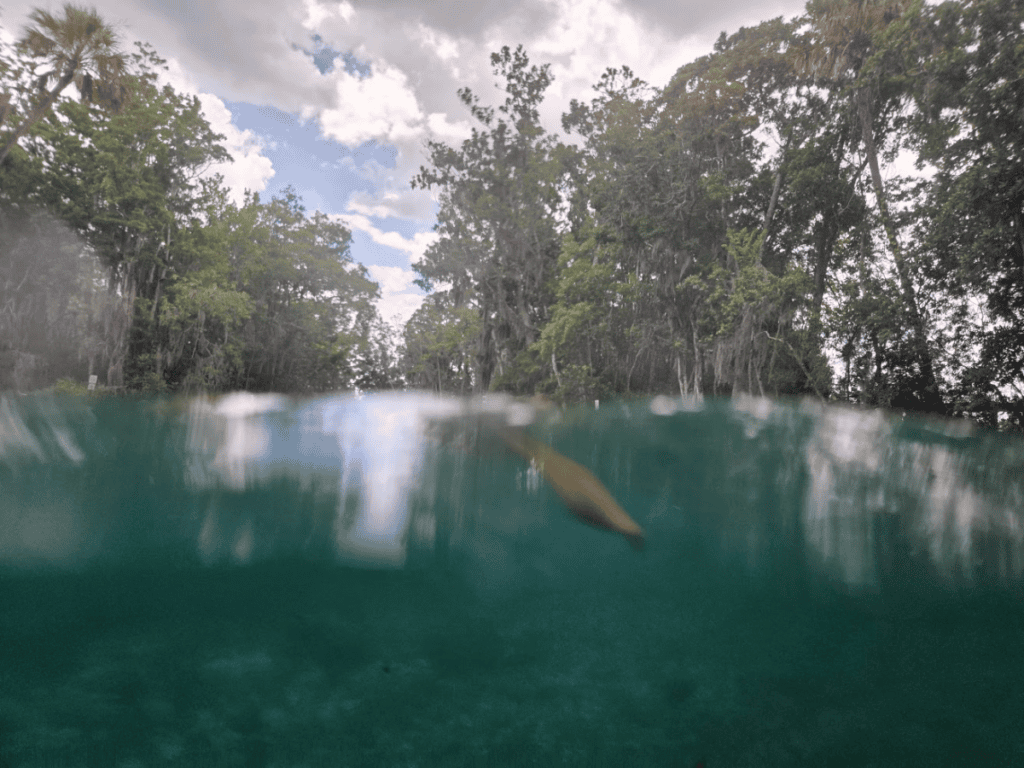
Three spring vents, named Big Sister, Little Sister, and Pretty Sister, feed a lagoon of clear turquoise water. In the winter, as many as 600 manatees pack into this spring system to escape the cold Gulf.
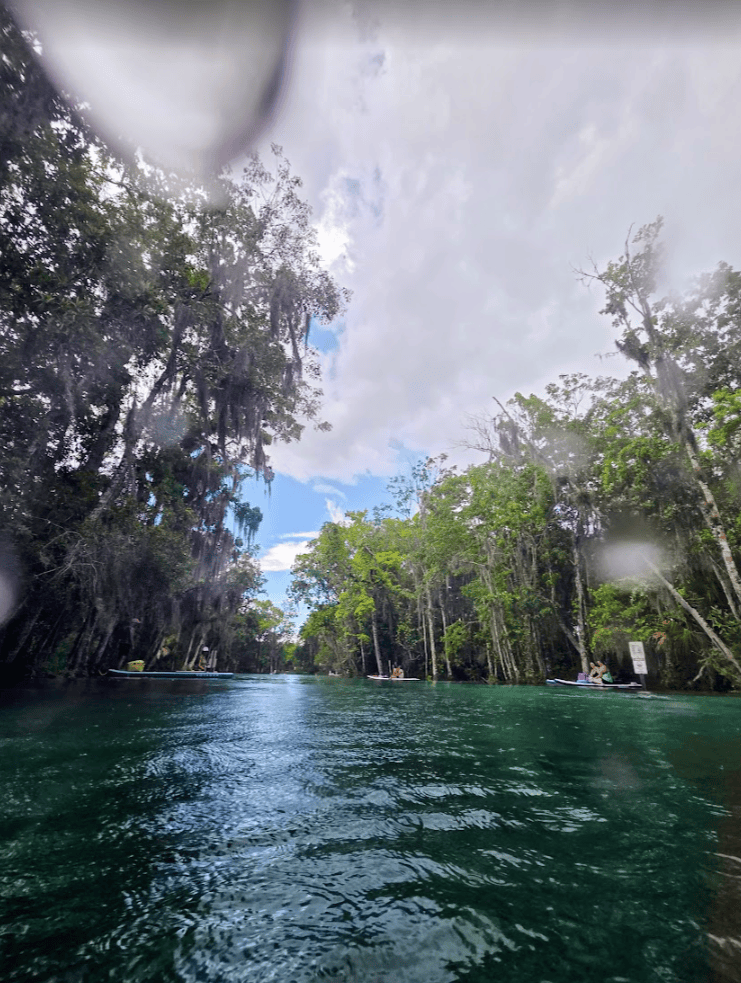
What makes Three Sisters unique is the structure of the experience. You cannot drive up and swim. The boardwalk and trails are accessible by land through the Three Sisters Springs Center via shuttle or walk-in. Swimming, snorkeling, and paddling require entering by water. Launching a kayak or paddleboard from Hunter Springs Park or another Kings Bay access point and paddling in via the spring run is the most common way, but many people drive their boats up to the entrance and swim in. This two-mode system is unusual, but it protects the springs from erosion and gives the manatees a real sanctuary.
Who Should Visit Three Sisters Springs?
In the summer, visitors who spent the morning scalloping the grass flats of Crystal Bay, anybody with access to a kayak in Kings Bay, anybody with access to a boat in Kings Bay should visit. This cool, clear, turquoise water is perfect for rinsing off after a day in the salty, sandy Gulf.
In the winter, anybody wanting to see manatees from the shore should visit.
Who Should Skip It?
This spring can be seen from the boardwalk on land, but you cannot swim unless you arrive by water. If you do not have a means of paddling or boating up, you will not be able to swim and snorkel at Three Sisters Springs.
You also may prefer another spring if you do not want to kayak, boat, or paddle, want to drive directly to a swimming area, have very young children, or prefer less crowded destinations.
Things to Do at Three Sisters Springs
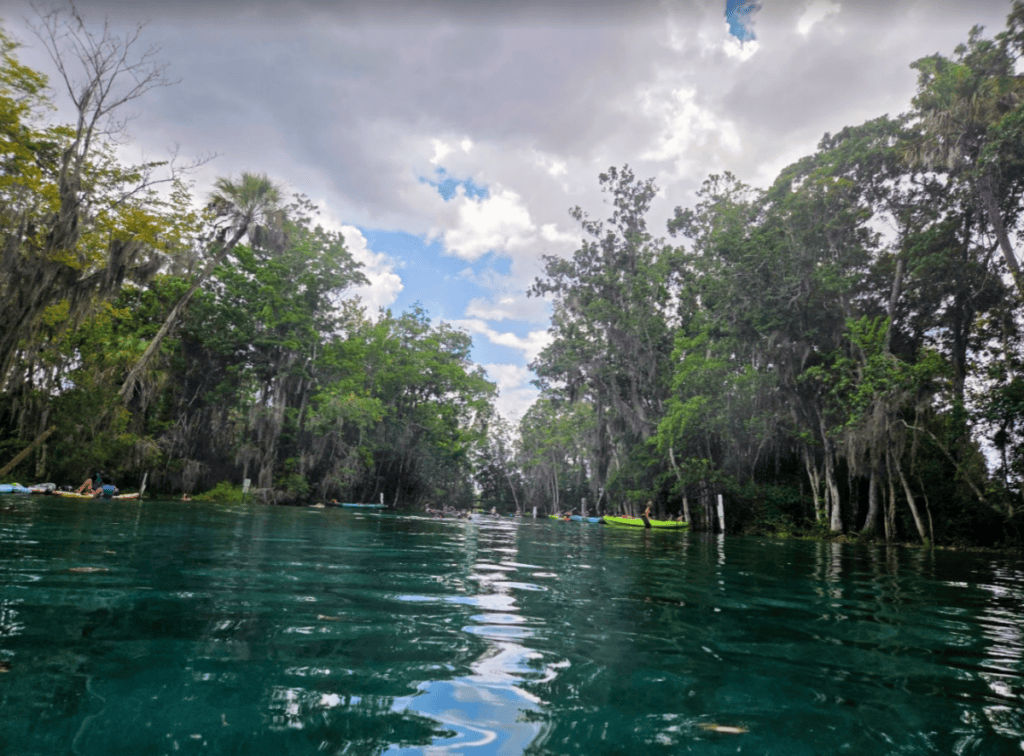
Swimming and Snorkeling – The headline activity outside of manatee season (April 1st – November 14th). The water is very clear, fed directly by the three spring vents, and snorkeling reveals an underwater world of vegetation, fish, crabs, and the occasional manatee.
Kayaking and Paddleboarding – Paddling into Three Sisters via the spring run from Kings Bay is one of the most popular and rewarding ways to experience the springs, especially for photographers.
Manatee Viewing from the Boardwalk – During manatee season (November 15th – March 31st), this is one of the best wildlife viewing experiences in Florida. Hundreds of manatees congregate in the warm spring water, visible from multiple platforms along the boardwalk.
Birdwatching – Over 100 documented bird species have been spotted at Three Sisters Springs, and volunteers offer birding tours throughout the year.
Hiking the Nature Trails – Several short, flat, easy trails wind through the property, including the Magnolia Springs Loop, Red Cedar Trail, Wetland Walk Trail, and Sweet Gum Trail.
Guided Tours – Numerous outfitters offer guided kayak, snorkel, and swim-with-manatees tours that include transportation, gear, and guidance.
Swimming at Three Sisters Springs
This is the detail that confuses every first time visitor: you cannot enter the water from inside the park or from the boardwalk. Swimming is permitted at Three Sisters Springs, but you must arrive through the waterways. There is no water access from land, which protects the springs from erosion.
In practice, you will launch a kayak, paddleboard, or boat from a public access point on Kings Bay. For paddlecraft, Hunter Springs Park is the closest and most popular launch. You can make your way through the connecting canal and spring run into the Three Sisters Spring pool. Motor boats must be parked outside in the canal.
Once you enter, the payoff is significant. The three vents combine to create some of the clearest, bluest water in the state. Snorkeling here during the summer delivers excellent visibility.
Big Sister is the largest and deepest spring, where manatees most often congregate. Little Sister is the smaller, shallower spring with serene turquoise water. Pretty Sister is the most picturesque.
Seasonal Note: in-water access (swimming, snorkeling, or paddling into the spring pool) is generally available April 1 – November 14, or at the discretion of the Crystal River National Wildlife Refuge. During manatee season (November 15 – March 31), in-water access is usually closed by US Fish and Wildlife Service as the Gulf water temperatures cool. This protects the manatees seeking refuge here. Check the Crystal River NWR’s social media for current closure status before planning a winter swim.
The boardwalk is open year-round regardless of in-water restrictions. It is a completely separate system from the water access rules.
For people like us that wanted to cool off after scalloping, timing your visit during scalloping season means in-water access is completely open. You can get the full swim and snorkel experience and rinse off the salt and sand after you limit out.
Kayaking and Paddling
For many, paddling is the best way to experience Three Sisters Springs. You are not confined to a boardwalk view, you can glide directly over the springs, watching the bottom drop away with the option to hop in and snorkel.
Launch options include Hunter Springs Park, (the closest public launch, with a $5 vessel fee) and other Kings Bay access points. From there, you’ll paddle through a connecting canal that borders a residential area before reaching the spring run and pool. Barriers prevent motorboats from entering, and only swimmers and kayakers are allowed into the spring pool.
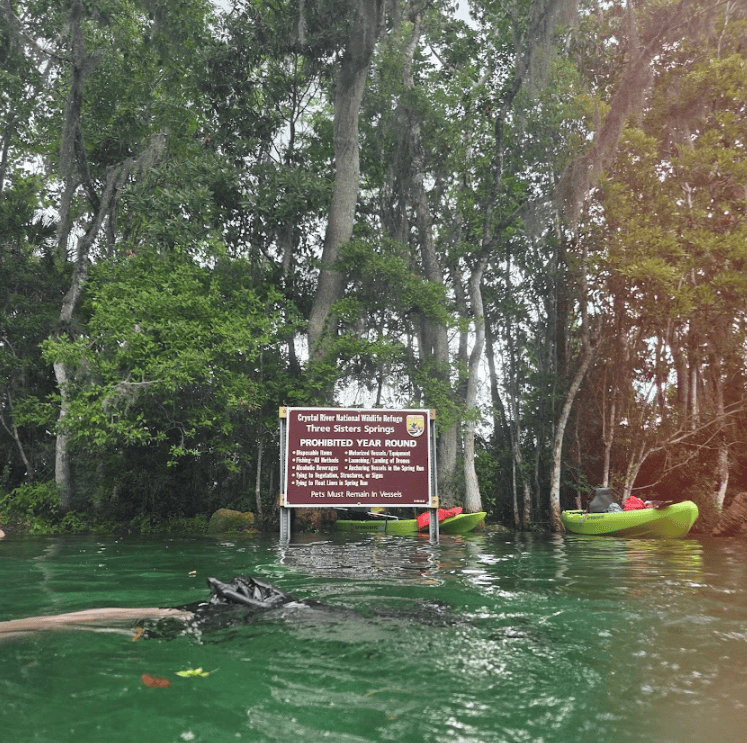
To protect the habitat, no docking, standing, or beaching is allowed. During manatee season, paddlers must give the animals a wide berth and stay out of designated sanctuary zones. If you do not want to manage your own logistics, numerous outfitters offer guided tours. This may be preferable during the more heavily regulated manatee season.
Best Time to Visit
For manatees (November 15 – March 31): This is peak season, and the best viewing windows are during cold fronts and high tides, when manatees pack densely into the warm spring water. Up to 600 manatees have been recorded here. Expect crowds, possible in-water closures, and an unforgettable boardwalk experience if you time it right.
For swimming and snorkeling (April – October): This window avoids the most manatee-related restrictions, meaning water access stays open. Scallop season usually runs July 1 – September 24, which is the sweet spot for swimming at Three Sisters Springs without any seasonal conflicts.
Early morning, any season: Arrive right at opening for the clearest water and lightest crowds. Visitors who arrive at 8:30 on a weekday morning report having the springs nearly to themselves.
Entrance Fees, Hours, and Reservations
Boardwalk/Land Access: Tickets are purchased through the Three Sisters Springs Center. Prices vary by season, and they are generally $12-20 per adult, with discounts for seniors, military, and other groups. Children under a certain age are typically free — confirm current pricing and age cutoffs at crystalriverfl.org.
Water Access (Swim/Paddle In): Free if you launch your own vessel or swim/snorkel in from a public access point — you simply pay any applicable launch fee at your entry point (e.g., the $5 launch fee at Hunter Springs Park), not a separate Three Sisters admission.
Hours: The boardwalk and trails are open daily 8:30 AM – 4:30 PM, with last entry at 3:30 PM. In-water access follows sunrise-to-sunset hours but is subject to seasonal closures during manatee season.
Reservations: Advance online ticket purchase is recommended for boardwalk access, particularly during peak manatee season weekends, when capacity can be limited. Tickets can also be purchased at the gate.
Getting In: A complimentary trolley transports ticket holders from the Three Sisters Springs Center to the property. Walking and biking in are also options. There is no public parking on-site except for handicap-permitted vehicles — park at the Three Sisters Springs Center or signed overflow lot instead. These restrictions do not apply if you arrive by water.
Check to make sure that the boardwalk is not under construction at the time of your visit.
How to Get There
Three Sisters Springs Center: Behind Crystal River City Hall, near 2nd Avenue and US 19, Crystal River, FL
Crystal River NWR Visitor Center (for general refuge info, no water access): 1502 SE Kings Bay Drive, Crystal River, FL 34429
Three Sisters Springs is located in Crystal River, around 2 hours from Orlando and 1.5 hours from Tampa. It is 5–10 minutes from major docks and marinas, and it is walking distance from downtown Crystal River.
If you’re paddling in rather than visiting the boardwalk, launch from Hunter Springs Park or another access point and follow the spring run.
What to Bring
What to bring depends on the season and whether you came in by water or by boardwalk.
For snorkelers arriving by boat, bring:
- Mask
- Snorkel
- Phone in waterproof case for pictures
- Fins
- Previously applied sunscreen
- Swimsuit
For paddlers, bring:
- Kayak or paddleboard
- Life Jacket
- Phone in waterproof case for pictures
- Swimsuit
- Mask and Snorkel
- Previously applied sunscreen
- Water bottle
For boardwalk access, bring:
- Money
- Water bottle
- Comfortable walking shoes
- Camera
Tips to Avoid Crowds
Arrive at 8:30 AM sharp. The springs will be mostly empty on weekday mornings, and crowds will arrive throughout the day.
Visit on weekdays whenever possible, especially during peak winter manatee season when weekend crowds can be substantial.
If scalloping first, plan your timing. If you have good luck, you’ll hit your limit by early afternoon. Arriving at Three Sisters in the early to mid afternoon avoids the early rush.
Buy boardwalk tickets in advance during the manatee months to avoid being shut out in high demand days.
Visit during the summer if swimming is your priority. April through October is a calmer, less crowded experience.
Use a guided tour if you are unfamiliar with the logistics or manatee etiquette.
Where to Stay Nearby
Downtown Crystal River Hotels – There are several hotels nearby, including boutique inns near North Citrus Avenue. Staying downtown lets you walk to the park, restaurants, and shops.
Paddletail Waterfront Lodge – A popular waterfront option, and it has a package including lodging, swimming with manatees, a boat tour and kayaking all in one.
The Port Hotel and Marina – Waterfront accommodations with marina access.
Plantation on Crystal River – A larger resort option with its own pool and river access.
Crystal River campgrounds and vacation rentals – There are a multitude of options in the area for those wanting budget-friendly or independent lodging. We rented a large camper on our trip and brought our dog. The price was much lower than the nearby hotels, and we were only 10 minutes away from the action.
Nearby Things to Do
Hunter Springs Park (5 mins) – The closest public kayak launch for paddling into Three Sisters Springs, and a great post-trip cooldown spot with easier logistics to swim after a long day on the Gulf.
Kings Bay Park – A short walk or drive away, this is another public launch point, a fishing pier, and offers views of Kings Bay’s Cedar Cove area.
Crystal River National Wildlife Refuge – The protected waters surrounding Kings Bay, home to the largest concentration of manatees in the US during winter months.
Crystal River Archaeological State Park (8 mins)– This park features Native American burial and temple mounds dating back over 1000 years.
Homosassa Springs Wildlife State Park – Around 20 minutes south, home to the underwater Fishbowl Observatory and resident manatees, otters, and other wildlife.
Downtown Crystal River – North Citrus Avenue and the surrounding district offer shopping, cafes, and restaurants.
Other Springs Near Three Sisters Springs
Crystal River and Kings Bay host a dense cluster of 70 springs, and several are worth exploring:
Hunter Springs Park (1 mile by water, short drive) – The main public launch point for reaching Three Sisters by kayak, especially for a casual swim or post-scalloping rinse.
King Spring – Located at the southern tip of Banana Island, this is the largest individual spring feeding the bay, though access is more limited than the public parks.
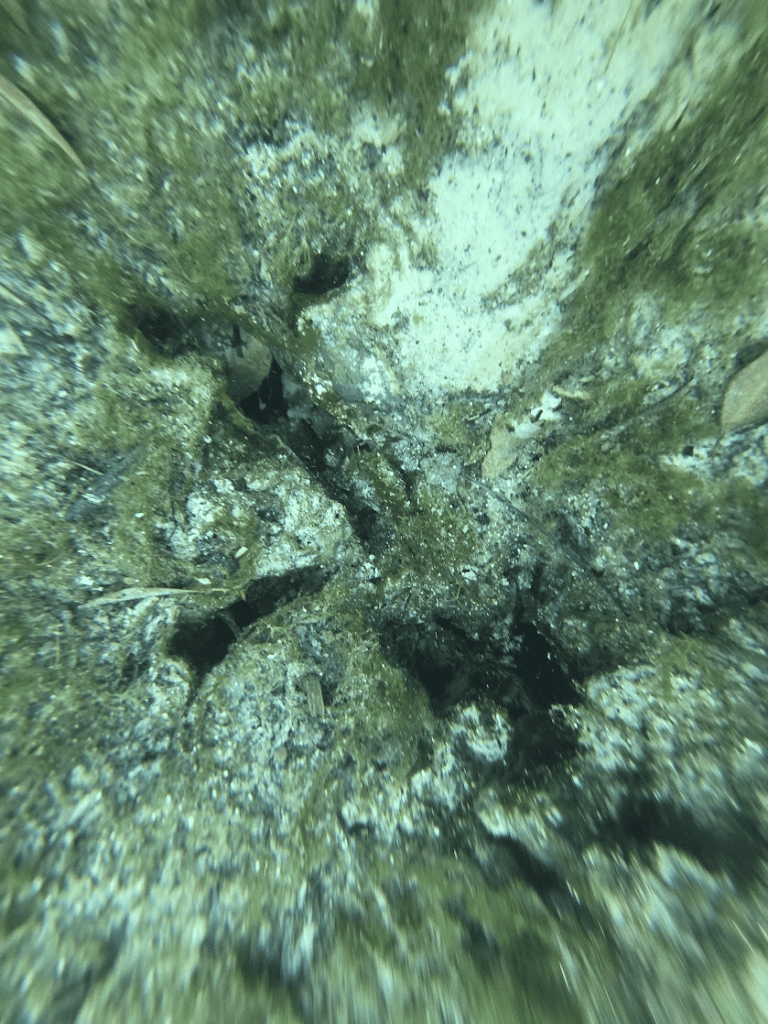
Idiots Delight I & II – Smaller Springs just outside of the Three Sisters pool, which also provide resting spots for winter manatees.
Magnolia Spring and Jurassic Spring – Smaller springs feeding into Kings Bay, primarily of interest to paddlers exploring the bay. Jurassic Spring pumps around 100 gallons per hour and is 15-20 feet deep.
Homosassa Springs (20 minutes south) – A second-magnitude spring with a more developed state park experience, including the famous underwater observatory.
If you’re planning a true springsmaxxing day, start with Homosassa, then drive to Hunter Creek and spend the late morning though afternoon kayaking and swimming at the major springs in Kings Bay.
Hiking Trails Near Three Sisters Springs
Three Sisters Springs covers 57 acres with over two miles of trails. All are flat, easy, and family-friendly. None can be accessed by boat.
- The Boardwalk (0.3 miles) – Features multiple platforms near the spring vents with views of manatees in the winter
- Magnolia Springs Loop (0.5 miles) – Peaceful trail through hardwood forest and wetlands, passing Magnolia Spring on the way.
- Red Cedar Loop (0.3 miles) 0 A quiet, shaded path through red cedars and oaks.
- Wetland Walk Trail (0.5 miles) – A favorite for wildlife lovers, with good chances of seeing birds, otters, and sometimes even a bobcat.
- Sweet Gum Trail (0.4 miles) – A less-traveled, quieter path.
For legitimate hiking, I would recommend a trip to Crystal River Preserve State Park, with the following trails topping the list:
- Crystal Cove Trail (1.7 miles) Beautiful shaded views along the river for a short walk before jumping in the springs.
- Crystal River Preserve Loop Trail (7.3 miles): This is a more serious hike with great scenery, but you will face challenging bugs and heat in the summer.
- Crystal River Preserve State Park Eco Walk (2.3 miles): A flat and well-marked trail through a marshy and forested area.
Restaurants Near Three Sisters Springs
Downtown Crystal River is excellent for seafood, and Hunter Springs Park is walking distance from most of it. Here are some of the top picks:
Crackers Bar and Grill – Right on the water, popular for casual seafood and drinks with a laid-back energy. The blackened grouper and gator were excellent.
Vintage on 5th – An upscale option in a historic home setting, with locally sourced ingredients for a nicer dinner.
Kane’s Cattle Co. – The spot for steak lovers.
Peck’s Old Port Cove – Fresh, locally caught seafood on the Homosassa River.
Cattle Dog Coffee Roasters – Our choice for breakfast and coffee to start off your day.
Pros and Cons
Pros:
- One of the best manatee encounters in Florida, tied with Blue Spring State Park
- Exceptionally clear water
- Unique structure with a land and water access split to protect the ecosystem
- Accessible trail system
- Birdwatching with over 100 documented species
- Great pairing with scalloping – this is a short drive by boat and is ideal for an afternoon cooldown
- Federal protection means a well-managed wildlife experience
Cons:
- Confusing access system for first timers. No swimming from the land, so you can’t drive up and jump in. You need to arrange a water launch
- No on-site parking except for handicap – Requires using a shuttle or walking/biking in
- Seasonal in-water closures can disrupt swim plans
- Can be expensive for boardwalk access, with $20 fee per adult in winter
- Heavy crowds during peak manatee season
- Boardwalk construction leaves sections periodically inaccessible
- No fishing allowed in refuge waters
Sample Itinerary
Here is a similar itinerary to what we used to pair this spring with a scalloping trip:
- 7:00AM – Start boating to the scalloping grounds
- 8:30AM – Scallop the grass flats of Crystal Bay until you limit out
- 1PM – Eat a picnic lunch as you ride towards Three Sisters Springs
- 3PM – Park the boat and snorkel through Three Sisters Springs and watch the fish
- 4PM – Head back, clean your scallops and put them in the fridge
- 6PM – Change into dinner clothes and eat at one of the local restaurants
Our Experience at Three Sisters Springs
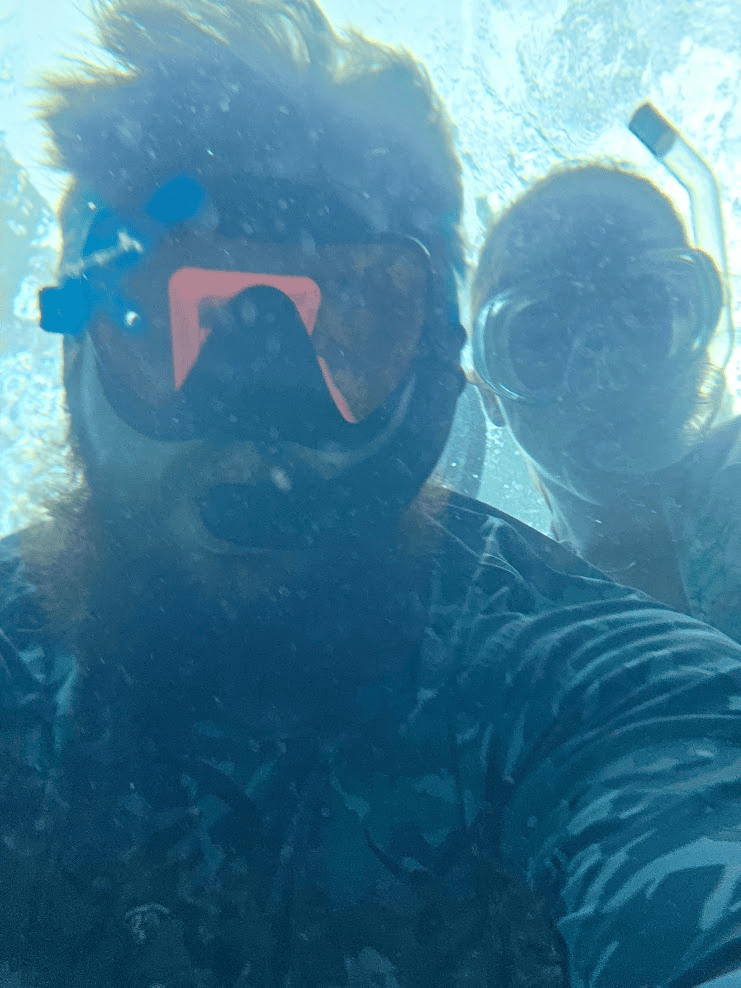
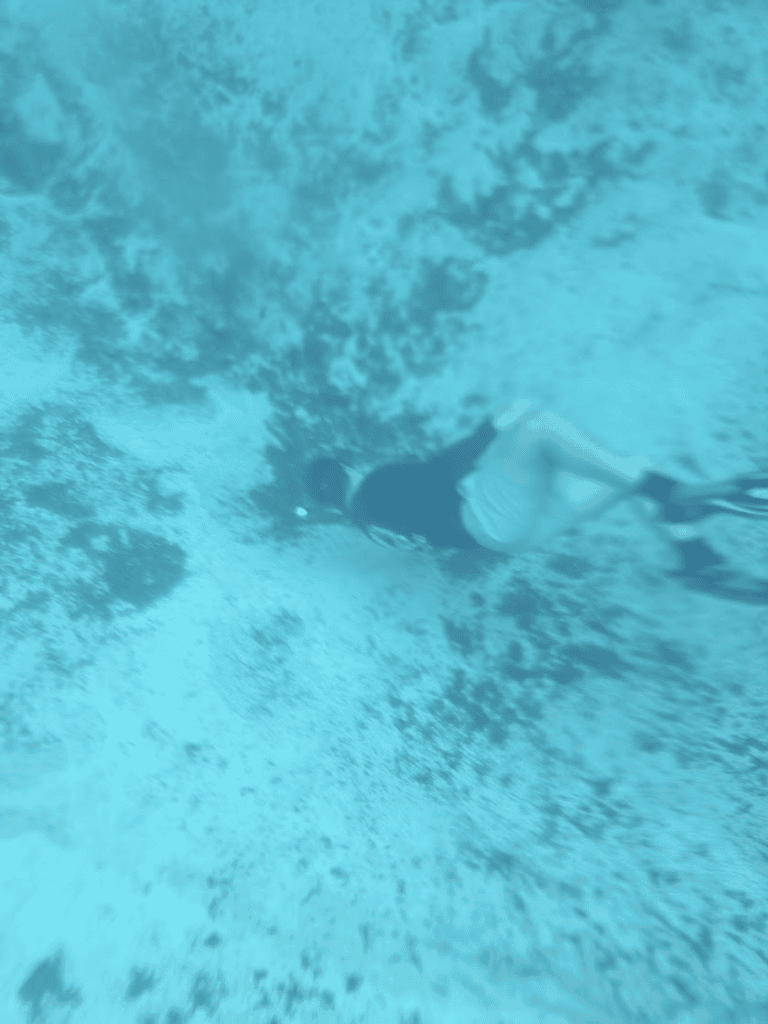
My wife and I visited Three Sisters Springs straight off the boat from the opening day of scallop season, salt-crusted and sun-baked. We drove right up the channel to the outside of the entrance and parked the boat, then put on our fins, mask, and snorkel and jumped in.
The canal outside the springs was cool compared to the warm Gulf, and the freshwater was refreshing. The visibility in the canal was similar to that at Hunter Springs Park, maybe 10 feet or so until we entered the transparent water at the spring entrance and could see straight to the vent. It took less than 10 minutes to swim from the boat to the spring vents at a leisurely pace. There was a slight current pushing from the vents to the bay, but it was easy to swim with fins.
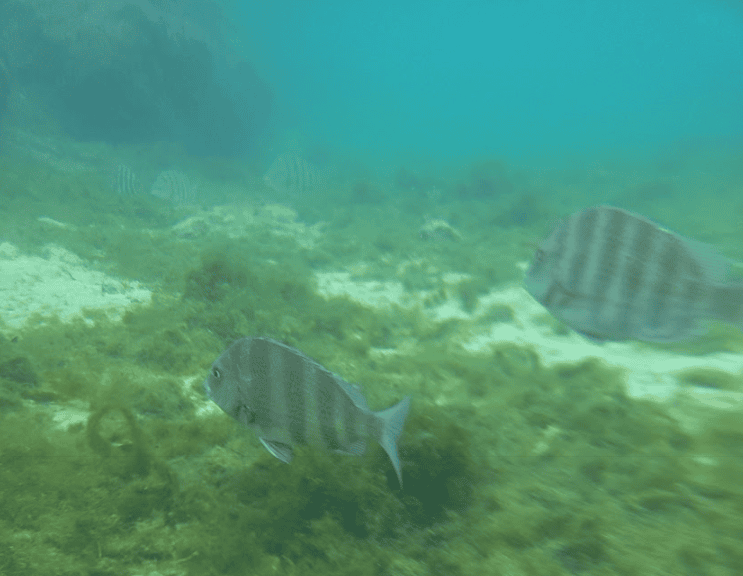
On the swim in, we saw small schools of sheepshead fish along the bottom. We saw schools of large mullet eating the algae growing along the bottom.
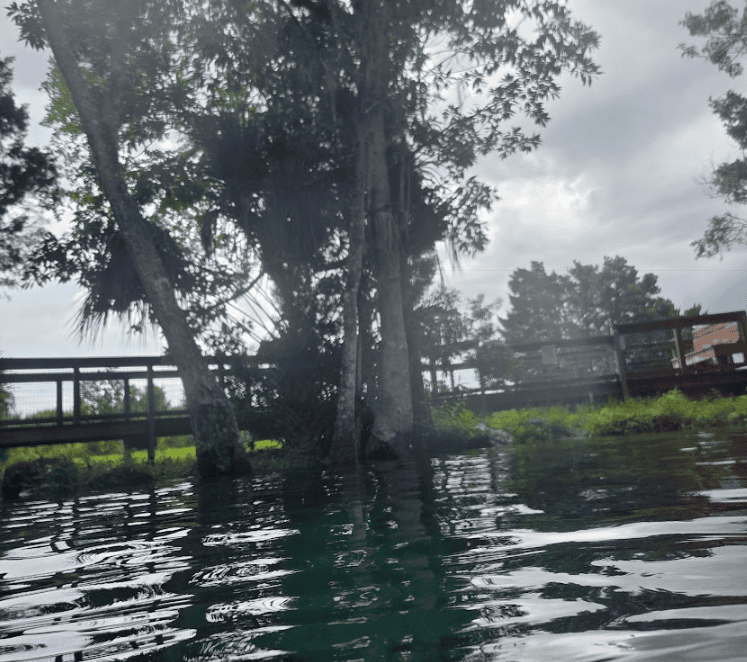
The rightmost spring was our starting point, and the water was beautiful. There were probably 25-30 kayaks and paddleboards in the three-spring system. The kayakers were very respectful and left plenty of room to snorkel. My group was the only group of snorkelers in the spring, and it was nice to be swimming with only my wife and friends for a change.
On the way to the middle spring, we saw a blue crab hanging out on the bottom. He looked like he wanted to get in a fight, so we left him alone. It started raining while we explored the middle vent.
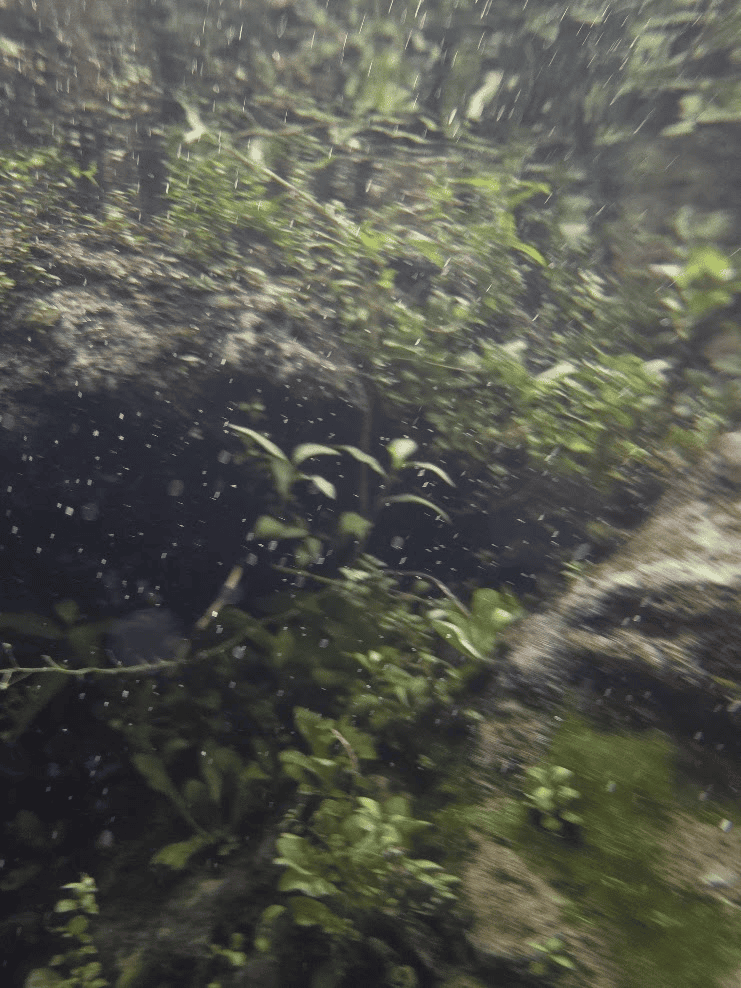
We swam over to the last vent and saw some neat vegetation growing on the perimeter rocks. Swimming around was fun, and the kayaks started to clear out in the rain. There was no thunder or lightning, and it was nice swimming in the rain. The rain did not really affect the visibility.
None of the vents were very deep, maybe 14 feet at the most. We could swim right to the bottom and check out the vents.
After around an hour, we swam back to the boat and left for the day.
What We Would Do Differently
We missed out on visiting Village Idiot I and II on our swim in. Now that we know they are there, we will definitely explore them too.
Frequently Asked Questions

Is Three Sisters Springs worth visiting?
Unquestionably yes: for many, this is the single best spring experience in Florida. The combination of extraordinary water clarity, the largest manatee congregation in the state during winter, and a genuinely well-managed wildlife refuge setting makes it stand out even among Florida’s many excellent springs. Just go in understanding the unusual access system (separate land and water entry) so you’re not caught off guard.
Can you swim year-round?
The water itself stays at a constant 72°F year-round, but in-water access (swimming, snorkeling, paddling into the actual spring pool) is generally available April 1 through November 14, and can be closed by US Fish & Wildlife Service during manatee season (November 15–March 31) when Gulf temperatures drop below 62.2°F, to protect manatees seeking refuge there. The boardwalk, however, is open year-round and unaffected by these in-water restrictions.
Are there alligators?
Yes. Three Sisters Springs is a wetland habitat, and both alligators and venomous snakes are present. Respect wildlife and view from a distance — don’t touch, approach, feed, or attempt to pick up any wild animal you encounter, on the boardwalk or in the water.
Do you need reservations?
For boardwalk/land access, advance online ticket purchase is strongly recommended, especially during peak manatee season weekends when capacity is limited. For water access (swimming/paddling in on your own vessel), no reservation is needed — you simply launch from a public access point like Hunter Springs Park and pay any applicable launch fee there.
Are there bathrooms available?
Yes, for land visitors. Restrooms and water bottle filling stations are available on-site at the Three Sisters Springs property for those accessing by boardwalk/trail.
Can I park on-site?
No, except for vehicles with a handicap parking permit. All other visitors must park at the Three Sisters Springs Center or signed overflow lot and either walk, bike, or take the complimentary trolley to the property.
Can I use a National Park Pass or Federal Recreational Land Pass?
Yes. Federal Recreational Land Pass and Duck Stamp holders receive $5 off adult, senior, or military boardwalk tickets, and a $20 discount on an annual pass.
How does scalloping pair with a Three Sisters Springs visit?
Extremely well, and it’s one of the best combinations on the entire Nature Coast. Scalloping season (July 1–September 24) falls entirely within the window when in-water access to Three Sisters is unrestricted, so you can scallop in the morning and paddle straight into crystal-clear spring water in the afternoon with zero seasonal conflicts. The contrast between warm, slightly murky Gulf water and the glass-clear spring is a genuine highlight of any Nature Coast trip.
Why can’t I swim directly from the boardwalk?
To protect the springs from erosion. The boardwalk and surrounding land are managed separately from the water, and entering the springs from land is prohibited specifically to preserve the shoreline and habitat. All swimming and paddling must originate from an external water access point.
Is it accessible?
Yes, the boardwalk and land access is accessible. There is an ADA boardwalk, a wheelchair-friendly shuttle, accessible restrooms, accessible viewing platforms, and accessible parking at the visitor center.
Can you paddle into Three Sisters Springs?
Yes. Kayaks and paddleboards are the most popular way to access the springs during the open in-water season.
How long does it take to kayak to Three Sisters Springs?
From Hunter Springs Park, most paddlers reach the entrance in approximately 15–25 minutes, depending on conditions and experience.
Is Three Sisters Springs good for kids?
Yes. Families enjoy the boardwalk year-round, while older children comfortable in kayaks and snorkeling equipment can enjoy the springs during the open swimming season.
Can you bring your own kayak?
Yes. Launch from a public access point such as Hunter Springs Park or another Kings Bay launch.
Are lockers available?
No. Bring a dry bag or secure valuables in your vehicle or boat.
Can you see manatees in the summer?
Sometimes, but far fewer than during winter. The largest concentrations occur between mid-November and late March.
How deep is Three Sisters Springs?
Most areas range from a few feet deep to approximately 14 feet near the spring vents, making it easy for snorkelers to observe the bottom in clear conditions.
Is snorkeling better than scuba diving?
Yes. Scuba diving is generally not permitted in the springs, and snorkeling provides excellent views because of the shallow, crystal-clear water.
Final Thoughts
Three Sisters Springs earns its reputation as one of Florida’s premier natural experiences. It is two totally different things at the same time: a world-class manatee sanctuary in winter, and one of the clearest spring-swimming experiences in the state during the summer months. For springsmaxxers building a Nature Coast itinerary, it’s a must-see.
If you are already in the Crystal River area, there is no better way to spend your afternoon. Just remember to plan around the access system and arrive by some sort of boat if you want to swim.
If you only visit one spring in Crystal River, make it Three Sisters Springs.
Leave a Reply