
Canaveral National Seashore is worth visiting even when the ocean doesn’t cooperate.
We visited the Apollo Beach side in late September 2026, the morning after a cold front, and walked straight into a king tide and massive waves that made swimming impossible and fishing very difficult. We still climbed Turtle Mound, tried to fish two beaches, drove the Eldora loop along Mosquito Lagoon, picked up our passport stamp, and finished with a grouper sandwich at JB’s Fish Camp.
This guide covers the Apollo Beach (New Smyrna Beach) side we explored, the Playalinda side we’re saving for next time, and everything you need to plan around: fees, parking lots, fishing rules, tides, and the two beaches where swimsuits are optional.
Is Canaveral National Seashore Worth Visiting?
Yes. Canaveral protects 24 miles of undeveloped beach, the longest stretch left on Florida’s Atlantic coast, with Mosquito Lagoon, one of the most productive estuaries in North America, right behind the dunes. In one morning you can climb a 35-foot Timucua shell mound, surf fish the Atlantic, fish the lagoon for trout and redfish, and see an early-1900s house on the water. There are no condos, no beach bars, and no souvenir shops. The draw here is the variety, not the amenities.
Who should skip it: if you want lifeguards year-round, food on site, or shade on the sand, go to a city beach in New Smyrna or Cocoa instead. Dogs aren’t allowed on the beach. And if swimming is your only goal, check the surf forecast first. On the day we went, nobody was in the water.
Quick Facts
Location: Apollo District: 7611 S. Atlantic Ave, New Smyrna Beach, FL 32169 (the end of A1A). Playalinda District: east of Titusville on SR 402, through Merritt Island National Wildlife Refuge. The two roads don’t connect.
Time Needed: 3 hours for Turtle Mound, a beach and Eldora; a full day to fish or lay out; a second day for Playalinda
Best For: Surf and lagoon anglers, paddlers, beachgoers who want an undeveloped beach, history buffs, rocket launch watchers
Don’t Miss: The view from the top of Turtle Mound
Best Time to Visit: October through April on a weekday, on a day with calm surf and a normal tide
Hours: 6 a.m.–8 p.m. in summer, 6 a.m.–6 p.m. in winter; last entry 1 hour before closing. Apollo Beach Visitor Center: 9 a.m.–5 p.m. daily (closed Christmas)
Admission: $25 per vehicle, good for 7 days at both districts. America the Beautiful passes accepted. No cash
Official Website: https://www.nps.gov/cana/
Know Before You Go
- No cash. The entrance stations take credit, debit, Apple Pay, Google Pay, or a digital pass. Passes are sold only at the two entrance stations, not at the visitor center.
- Pick a district. Apollo Beach (New Smyrna) and Playalinda Beach (Titusville) are separate roads at opposite ends of the park, roughly 45 miles and over an hour apart by car. One $25 pass covers both for 7 days.
- Check the tide and surf. Rip currents and rough surf are the park’s top safety warning. Fall is king tide season, and in 2026 the elevated-tide windows run through mid-November.
- Two beaches are clothing-optional. Apollo’s Parking Area 5 (at the very end of the road) and Playalinda’s Parking Area 13. Signs mark them, and a ranger warned us too.
- Playalinda closes for some rocket launches, sometimes for days. NASA can close parts of the park without notice.
- No dogs on the beach or beach boardwalks. They’re allowed on park trails and at lagoon access points.
- There’s no food in the park. Bring water and lunch, or plan on JB’s Fish Camp just north of the Apollo entrance.
Overview Of Canaveral National Seashore
Canaveral National Seashore covers nearly 58,000 acres of barrier island, dunes, coastal hammock, pine flatwoods and open lagoon between New Smyrna Beach and Kennedy Space Center. The beach gets all the attention, but two-thirds of the park is actually Mosquito Lagoon, an estuary of national significance and one of the most diverse and productive estuaries in North America.
The park has three districts. Apollo is the north end, reached from New Smyrna Beach, with the only visitor center, Turtle Mound and Eldora. Playalinda is the south end, reached from Titusville through Merritt Island National Wildlife Refuge, with the closest public beach views of the launch pads. Seminole Rest is a small historic site across the lagoon in Oak Hill. Between Apollo and Playalinda is Klondike Beach, a roadless backcountry beach you can only reach on foot with a permit.
It is also one of the most important sea turtle beaches in the country. The park recorded 13,195 nests in 2025, and by early September 2026 biologists had already counted more than 17,000, a new record. About 2.5 million people visited in 2025, but with 24 miles of sand, it rarely feels crowded once you’re past the boardwalk.
Historical Context
People have lived on this lagoon for thousands of years. The park protects cultural sites from about 2000 BC through early 20th-century settlement, and the most visible are the shell middens: huge mounds of oyster and clam shells built up by generations of Timucua and their ancestors. Turtle Mound grew between roughly 800 and 1400 CE, and it was tall enough to serve as a landmark for Spanish sailors after contact. That contact was devastating: the Timucua numbered an estimated 40,000 when the Spanish arrived, and only a handful of survivors were left when Spain withdrew from Florida in 1763. Many of the region’s other mounds were later mined for road fill, which is why the few that remain here matter.
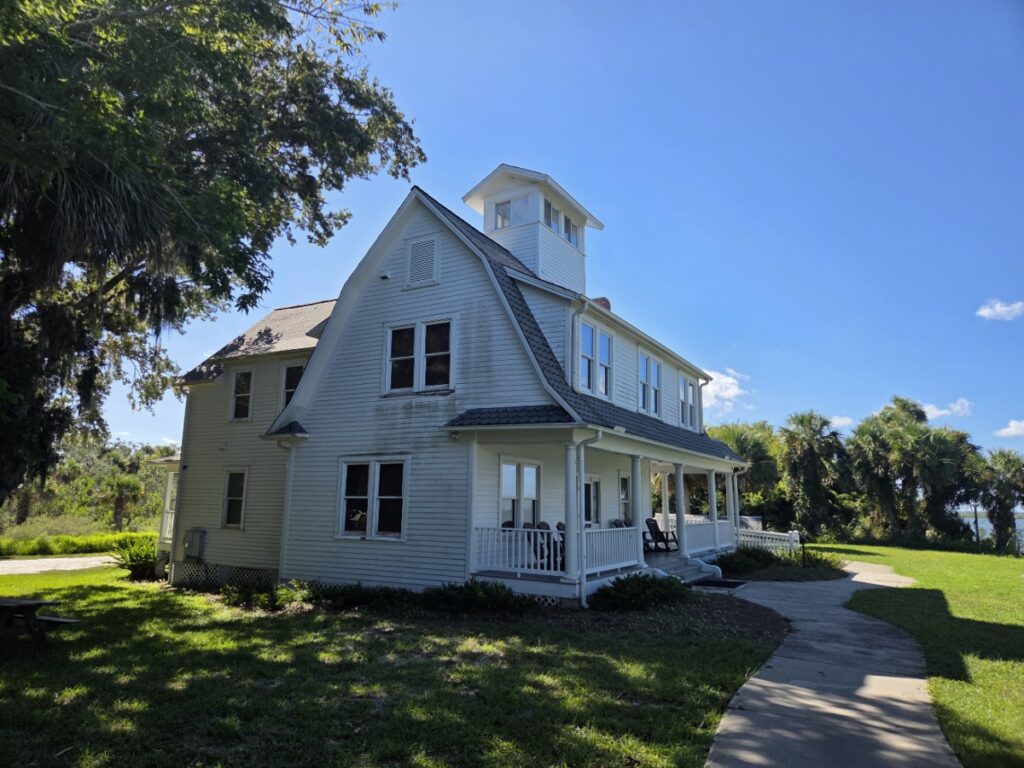
In the late 1800s, settlers founded Eldora on the lagoon and planted citrus. The great freeze of the mid-1890s wiped out the groves, and Eldora became a small winter retreat until the late 1930s. The Eldora State House, built in 1913 and also called the Moulton-Wells House, is the best-preserved building left. Volunteers with the Friends of Canaveral restored it, and it opened to the public in 1999.
The space program is the reason this coast stayed wild. Land around Cape Canaveral was bought up for launch operations, and local advocates, led by artist Doris Leeper, pushed to protect the undeveloped beach to the north. President Gerald Ford signed the law creating Canaveral National Seashore on January 3, 1975.
Best Things to Do at Canaveral National Seashore
There is way more to do here than sit on the beach.
Climb Turtle Mound
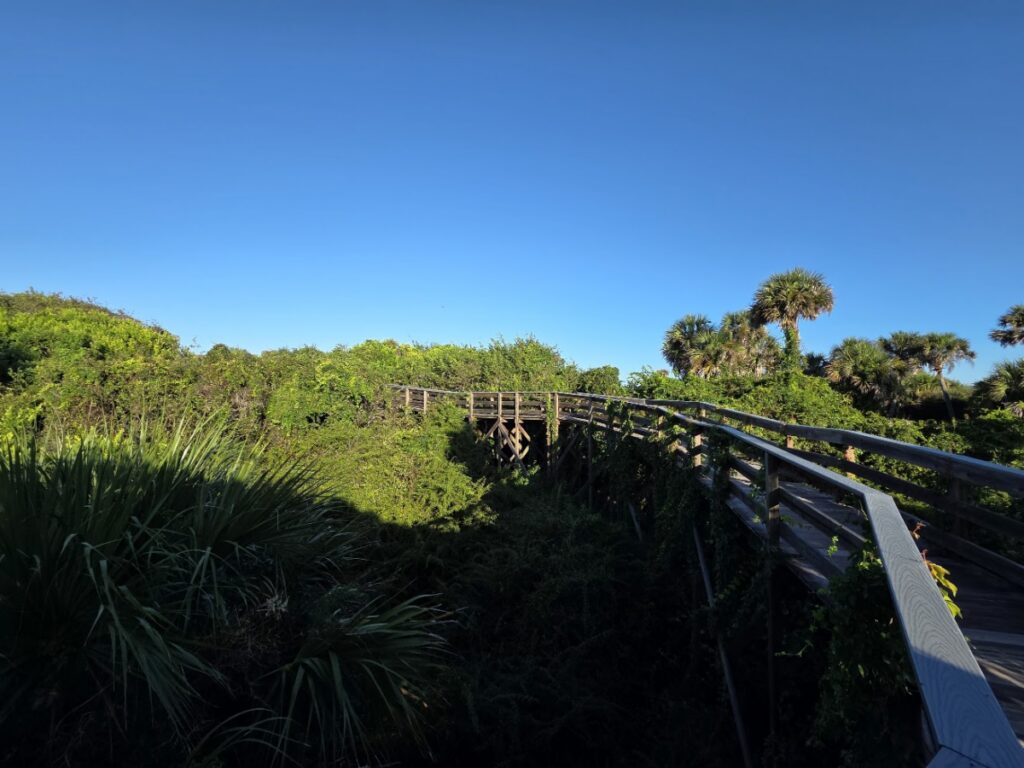
Turtle Mound is the largest Timucua shell mound on Florida’s Atlantic coast, about 35 feet tall and stretching more than 600 feet along the lagoon. A boardwalk climbs through coastal hammock to overlooks on top, with the Atlantic on one side and Mosquito Lagoon and its islands on the other. It’s a 0.4-mile round trip and takes about 15 to 30 minutes. If you’ve climbed the mounds at Crystal River Archaeological State Park or Ocmulgee Mounds, this is the same kind of experience, with an ocean view on top. Look down from the boardwalk and you’ll see the shells.
Surf Fish the Atlantic Ocean
Apollo Beach is a well-known surf fishing beach, and serious anglers are on the sand at opening with long rods, sand spikes and beach carts. The smaller middle lots (2 through 4) are the local favorites. Common surf targets on this stretch include whiting, pompano, bluefish, black drum and redfish, depending on the season, and the fall mullet run brings in predators. You need a Florida saltwater fishing license, which the park doesn’t sell; get it from MyFWC.com.
Fish Mosquito Lagoon
Cross the road and it’s a different fishery: shallow grass flats, oyster bars and island channels holding spotted seatrout, redfish and black drum. Small piers and boardwalks along the Eldora Loop Road let you fish from shore or launch a kayak. This is sight-fishing water, and a kayak or shallow skiff gets you much farther than the bank. (If you’re weighing a boat for trips like this, see my rent vs. buy breakdown.)
Note: the Indian River Lagoon management region has strict bag limits for trout, and redfish are catch and release only.
Spend a Day on an Undeveloped Beach
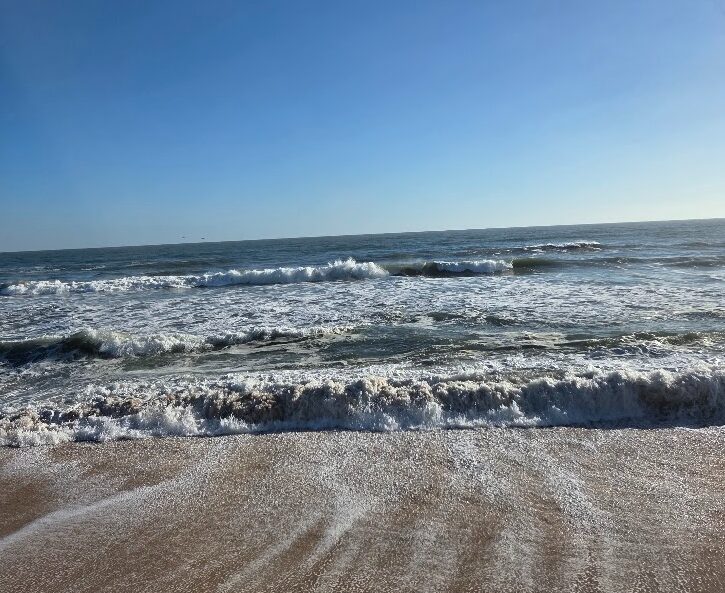
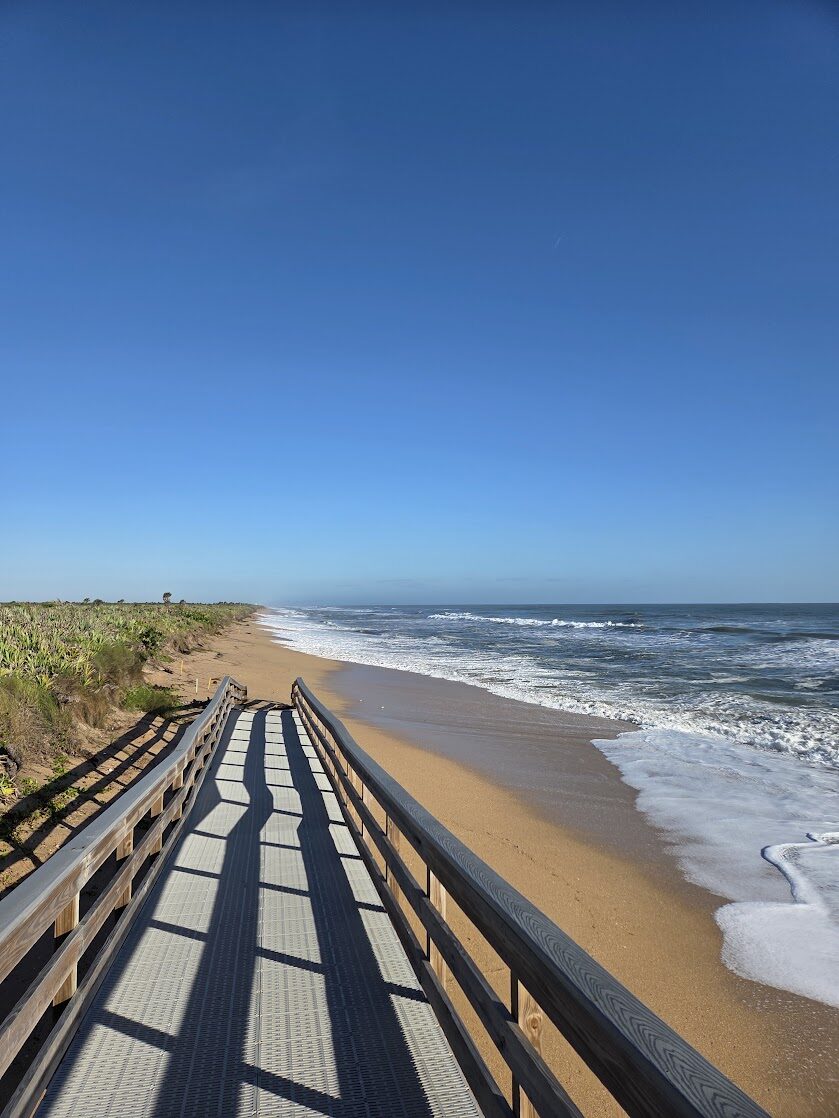
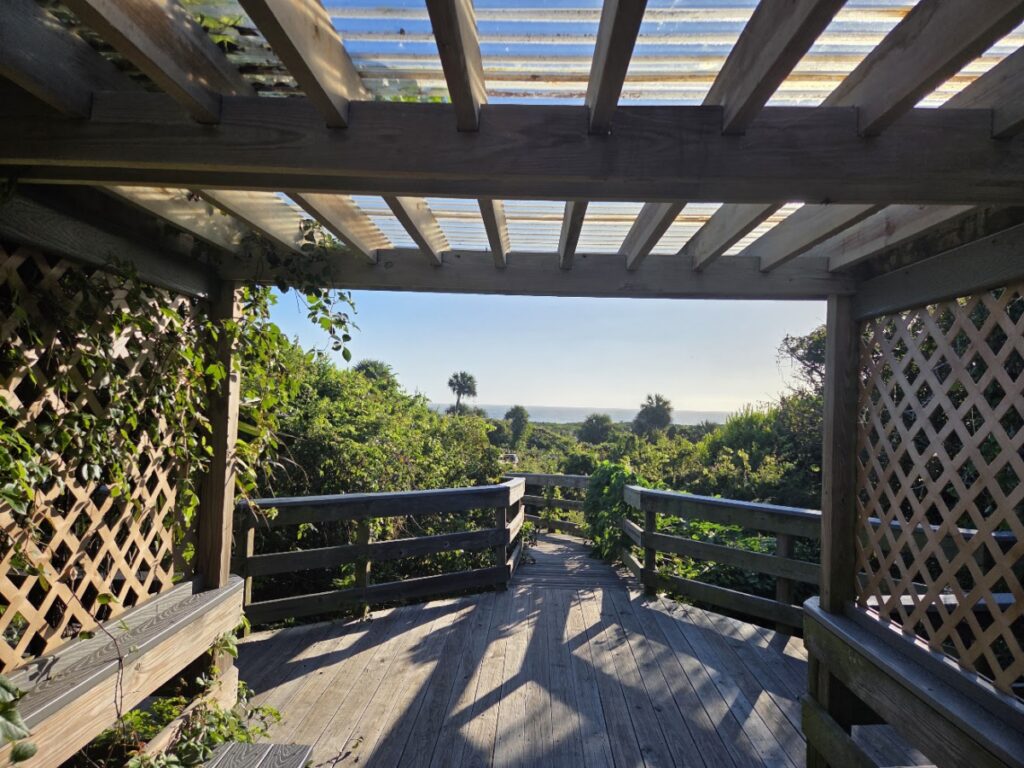
Every beach here is reached by a numbered parking lot and a boardwalk over the dunes. Apollo has five lots along about six miles of road; Playalinda has thirteen along about four miles. The sand at Apollo is coarse and made mostly of ground-up shell, which is beautiful but rough on bare feet. Lifeguards are only posted at designated areas from late May through early September. Outside that window, every swim is at your own risk.
Drive the Eldora Loop and See the Eldora State House
Just south of the visitor center, the one-way Eldora Loop Road winds through the hammock along the lagoon. This is where you’ll find the Eldora State House, the historic house we drove past, plus a few small parking areas with trails, a fishing pier and lagoon access. The house is open only on limited days, usually weekend afternoons; but the grounds and loop are open whenever the park is.
Paddle Mosquito Lagoon
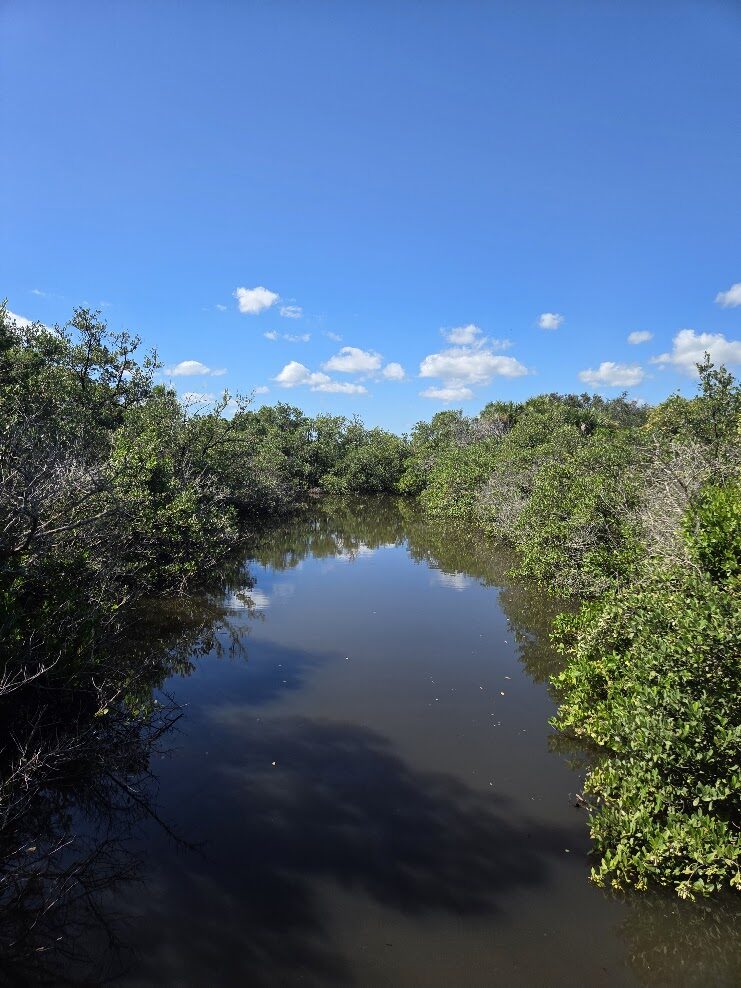
The lagoon is shallow, protected and full of mangrove islands, dolphins and wading birds. You can launch from the Turtle Mound picnic area, the Eldora lagoon access points or the boat ramp near the visitor center. The visitor center rents canoes for day use between 9 a.m. and noon (return by 2 p.m.); call (386) 428-3384 to check availability. JB’s Fish Camp also rents kayaks and paddleboards daily.
See Sea Turtles
Loggerheads, greens and leatherbacks nest here from April through October, with the peak in late June and early July, when more than 100 nests can be laid in a single night. The best way to see a nesting turtle is a ranger-led Turtle Watch in June or July, booked through the Friends of Canaveral (June dates open May 15, July dates June 15). If you see a staked nest, give it space.
Watch a Rocket Launch from Playalinda
Playalinda offers the closest public beach view of the launch pads, which you can see from the sand. You can watch launches that happen during park hours, but arrive hours early: the park restricts entry once it fills, and some launches close Playalinda entirely (it closed for weeks around the Artemis II launch in early 2026).
Camp on a Lagoon Island
The only camping in the park is on 14 primitive island sites in Mosquito Lagoon, reachable only by boat, canoe or kayak. Sites are $25 per night, booked on Recreation.gov up to six months ahead, and hold 6 to 60 people depending on the island. The visitor center rents canoes to campers for sites 1 through 5. There’s no beach camping, RV camping or car camping.
Visit Seminole Rest
Across the lagoon in Oak Hill (207 River Rd), Seminole Rest has a short path to a late-1800s house built on top of a shell mound, with views over Mosquito Lagoon. The grounds are open sunrise to sunset, and the house opens on select afternoons.
Best Hikes
All of the park’s trails are short, and most are shaded, so they work year-round. Bring bug spray from spring through fall.
| Trail | Length | Where | What to expect |
| Turtle Mound | 0.4 mi round trip | Apollo, just past the entrance | Boardwalk climb to overlooks of the ocean and lagoon |
| Castle Windy | 0.8 mi round trip | Apollo, across the road from Parking Area 3 | The only trail that crosses the island from ocean to lagoon; ends at a shell midden |
| Eldora Hammock | 0.5 mi loop | Apollo, Eldora Loop Road | Shaded coastal hammock with interpretive signs |
| Eldora village walk | Short walk | Apollo, Eldora Loop Road | Dirt road to the Eldora State House and lagoon shore |
| Seminole Rest | About 0.5 mi | Oak Hill (mainland) | Accessible path to a historic house on a shell mound |
| Klondike Beach | As far as you want | Between the districts | Roadless backcountry beach; permit required from an entrance station |
If you want something longer, Merritt Island National Wildlife Refuge, on the drive to Playalinda, has several longer loops. Walking the beach itself is a real workout in the soft, shelly sand.
Key Areas in Canaveral National Seashore
Apollo District (New Smyrna Beach)
This is the side we visited, and the one with the most to do: the visitor center, Turtle Mound, Eldora, Castle Windy, boat ramps and five beach lots. Parking is only allowed in the numbered lots, so when they fill, rangers hold cars at the entrance until spots open.
| Apollo lot | What to know |
| Parking Area 1 | Closest to the entrance, largest and busiest; wheelchair-accessible ramp to the beach |
| Parking Area 2 | Small lot popular with surf anglers; closed in early 2026 for boardwalk replacement |
| Parking Area 3 | Small lot popular with surf anglers; Castle Windy trailhead across the road. We ended up here |
| Parking Area 4 | Small lot with quiet beach and surf fishing. Our first fishing stop |
| Parking Area 5 | End of the road; accessible ramp. The clothing-optional beach starts south of this boardwalk. It was full when we arrived |
Klondike Beach (Backcountry)
The long middle section of the island has no road at all. You need a backcountry hiking permit from the Apollo or Playalinda entrance station, and permits aren’t issued during some closures. Beach camping is no longer allowed.
Playalinda District (Titusville)
Playalinda is the busier side because it sits next to Kennedy Space Center and Merritt Island National Wildlife Refuge. Thirteen lots line the beach road, and Lots 2, 3, 8, 10, 11 and 12 have wheelchair-accessible ramps. Lot 13, at the end by the radar tracking station, serves the clothing-optional beach. Check alerts before you drive over: in 2026 the park closed this district around launches, and it has also closed the road north of Lot 8 for wind, sand and water on the road.
Mosquito Lagoon
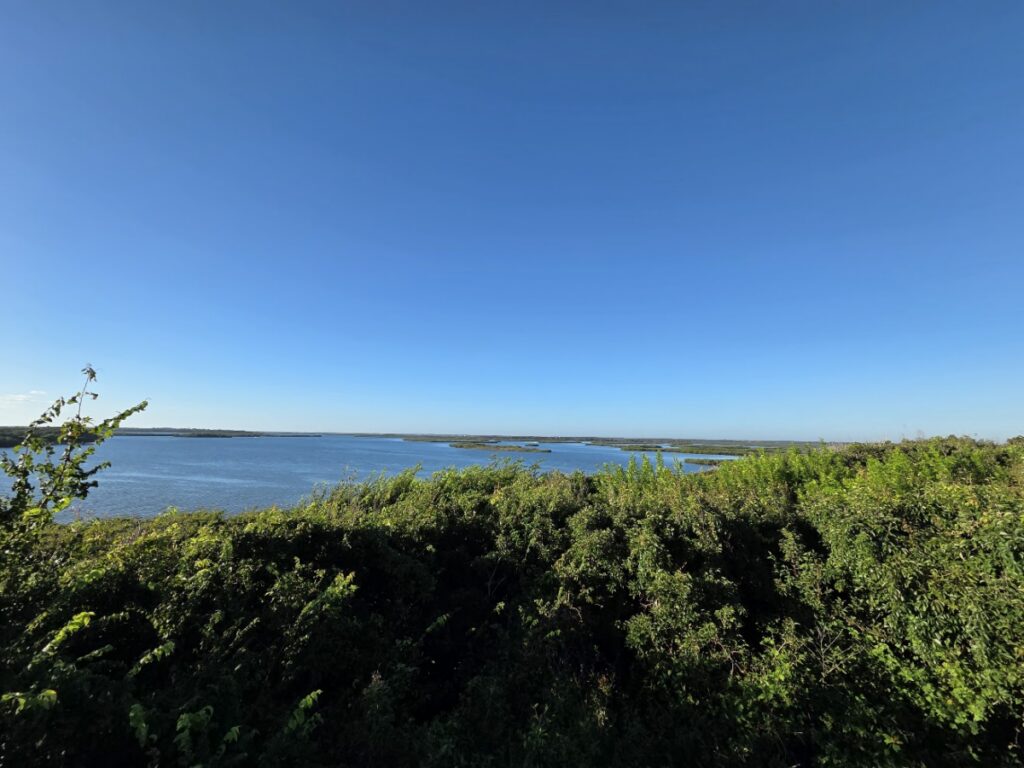
The west side of the park is water: shallow flats, oyster bars, spoil islands and the Intracoastal Waterway. This is where the island campsites, the best paddling and the inshore fishing are. Channels are narrow and the flats are shallow, so boaters need a chart and a sharp eye for oyster bars.
Seminole Rest (Oak Hill)
A small mainland unit on the west shore of the lagoon, with a historic house on a shell mound, a dock and ranger programs. There’s no entrance station there, and it’s an easy add-on on the drive between districts.
Our Experience at Canaveral National Seashore
I grew up fishing in Mosquito Lagoon, and did not realize that it was part of an NPS site. When we realized that Canaveral National Seashore was part of the National Park System, we knew we had to return.
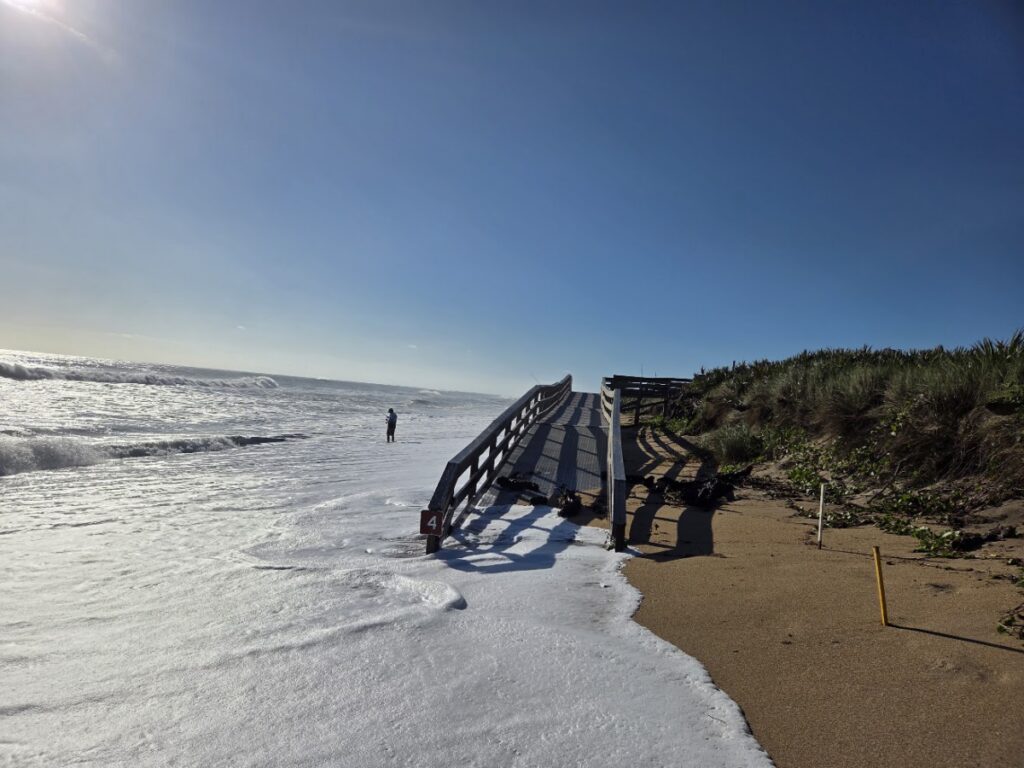
My wife and I drove over in late September, the morning after a cold front. Our timing turned out to be the worst possible for the beach: a king tide and massive waves. We didn’t know that yet as we pulled up to the Apollo entrance station, handed over our America the Beautiful pass, and saved the $25 entrance fee. (If you visit even a few federal sites a year, the pass pays for itself. More on that in my Parksmaxxing guide.)
Our first stop was Turtle Mound, right past the entrance. The boardwalk climbs quickly, and the views from the top are great: ocean on one side, lagoon and islands on the other. It reminded me of the mounds at Crystal River Archaeological State Park and Ocmulgee Mounds. We dodged some wasps near the top.
Then we went to Beach 4 to try to fish. Between the king tide and the waves, fishing was very difficult with the gear we had. I was able to cast the furthest with a heavy spoon, but with how the waves were, the fish went somewhere else. We drove to the end of the road to try Beach 5, but the lot was full, and between the signage and a heads-up from a park ranger, we learned it’s the clothing-optional beach. We turned around.
Beach 3 had the same crazy waves and tide, and nobody was swimming. The sand here is basically ground-up shells, with almost no fine sand at all. We did not have any luck fishing as Beach 2 either, and it looked like all the other fishermen were getting skunked too.
On the way back north we drove the Eldora loop and saw the Eldora State House, a cool old house sitting right on the lagoon. I can’t imagine what life was like out here before bug spray. Along that road and the lagoon side of the park, there are a lot of little piers and boardwalks where you can fish or launch a kayak or paddleboard. The fishing here is more diverse than most Florida beaches: you can surf fish the Atlantic, or cross the road and fish Mosquito Lagoon for trout and redfish.
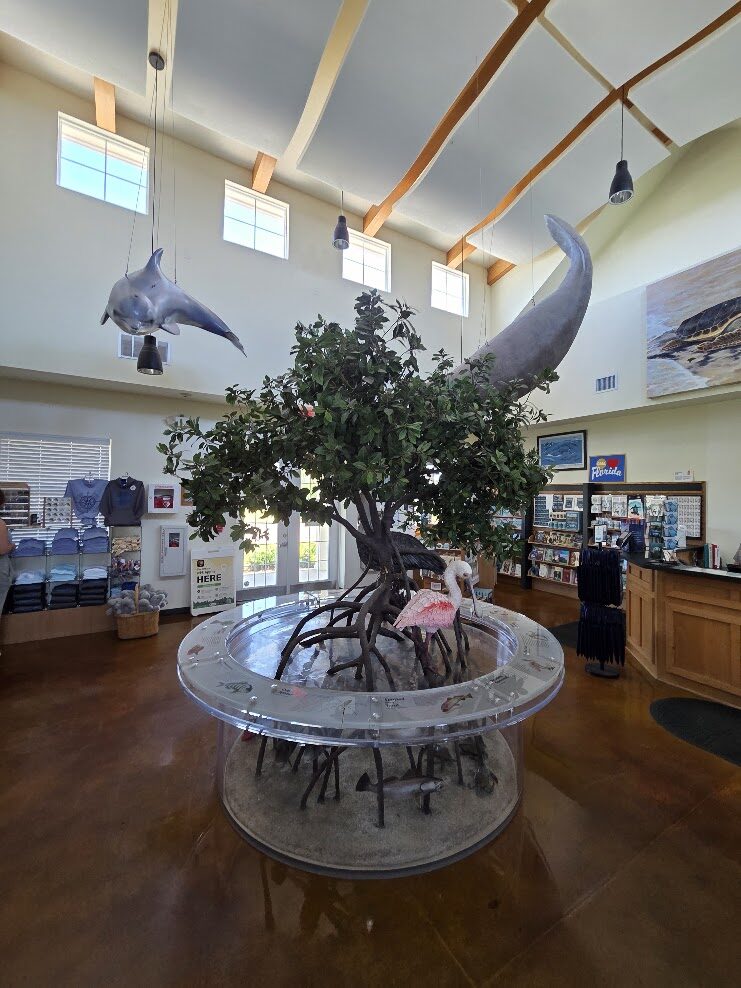
We didn’t catch any fish, but we had a great time at a cool spot. We stopped at the visitor center on the way out for our passport stamp, then had lunch at JB’s Fish Camp, which is probably the closest food to the park. The grouper sandwich was pretty good.
We’ll be back with different equipment to fish both sides, hopefully on a day with calmer tides, and we still want to see the Playalinda side.
Don’t Make Our Mistake
Plan around the tide and surf, not just the calendar. A cold front in fall often means a stiff northeast wind and building surf on this coast, and fall is also king tide season. For 2026, Florida forecasters flagged elevated-tide windows from late September through mid-November, with more in late November and December. Before you go, check the tide chart for Ponce Inlet or Port Canaveral and the NWS Melbourne surf zone forecast. If it shows high surf or a high rip current risk, make it a lagoon day instead.
What We Would Do Differently
- Check the tides and surf forecast the night before, and pick the side (surf or lagoon) to match.
- Bring two setups: heavy surf gear with enough weight to hold bottom, and light inshore gear for the lagoon. The surf rod should be as long as possible so you can cast past the breakers.
How To Visit in 3-4 Hour
This is roughly the route we took on the Apollo side:
- Enter at the Apollo entrance station (card or pass only).
- Climb Turtle Mound: 20 to 30 minutes.
- Walk the boardwalk at Parking Area 3 or 4 and spend an hour on the beach (or fishing, if the surf allows).
- Hike Castle Windy across from Parking Area 3: about 30 minutes.
- Drive the Eldora Loop Road and walk to the Eldora State House: 20 to 30 minutes.
- Visitor center for the passport stamp and the park film.
- Lunch at JB’s Fish Camp.
If You Only Do One Thing
Climb Turtle Mound. It’s short, it works in any weather or tide, and it shows you the whole park at once.
Full-Day Itinerary
- 6:00–6:30 a.m.: Enter at opening. Surf fish or walk the beach at Parking Area 2, 3 or 4 while it’s cool and the lots are open.
- 9:00 a.m.: Turtle Mound, then the visitor center when it opens.
- 10:00 a.m.: Paddle or fish Mosquito Lagoon from the Eldora Loop Road.
- 12:30 p.m.: Lunch at JB’s Fish Camp, or a picnic in the park.
- 2:00 p.m.: Castle Windy and the Eldora Hammock Trail in the shade.
- 3:00 p.m.: Back to the beach for an afternoon swim (if the surf is calm) and a late fishing session on the incoming tide.
Do you need more than one day? Only if you want both districts. Your pass is good for 7 days, so the best plan is Apollo one day and Playalinda plus Merritt Island National Wildlife Refuge another. Trying to do both in one day means about an hour of driving between them.
Where to Eat Near Canaveral National Seashore
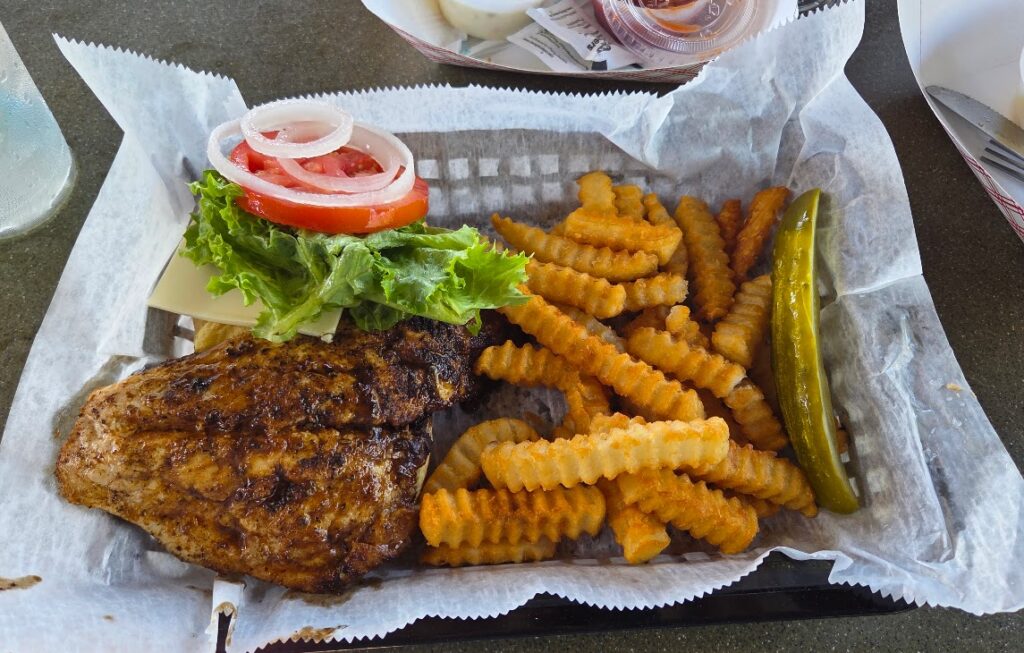
There’s no food in the park. JB’s Fish Camp (859 Pompano Ave, New Smyrna Beach) is a lagoon-side seafood spot a few minutes north of the Apollo entrance, and it’s probably the closest food to the park. We had the grouper sandwich, and it was pretty good. It opens at 11 a.m., doesn’t take reservations, has live music on weekends, and rents kayaks and paddleboards from its dock. For more options, head into New Smyrna Beach. On the Playalinda side, eat in Titusville.
Where to Stay Near Canaveral National Seashore
Stay in New Smyrna Beach for the Apollo side, or Titusville for Playalinda, Merritt Island and Kennedy Space Center. If you have a boat or kayak, the island campsites in Mosquito Lagoon are the only way to sleep inside the park. From Orlando, it’s an easy day trip: about 65 miles to the Apollo entrance.
Tips For Visiting Canaveral National Seashore
- Arrive early on weekends. Lots are small and fill fast, especially in summer. Anglers start leaving by late morning, so spots open up then.
- Read the lot signs. Apollo 5 and Playalinda 13 are clothing-optional. If you have kids with you, stick to the other lots.
- Wear sandals or water shoes. The shell sand is coarse.
- Bring serious bug spray from April through November. Mosquito Lagoon earned its name, and the no-see-ums are worse.
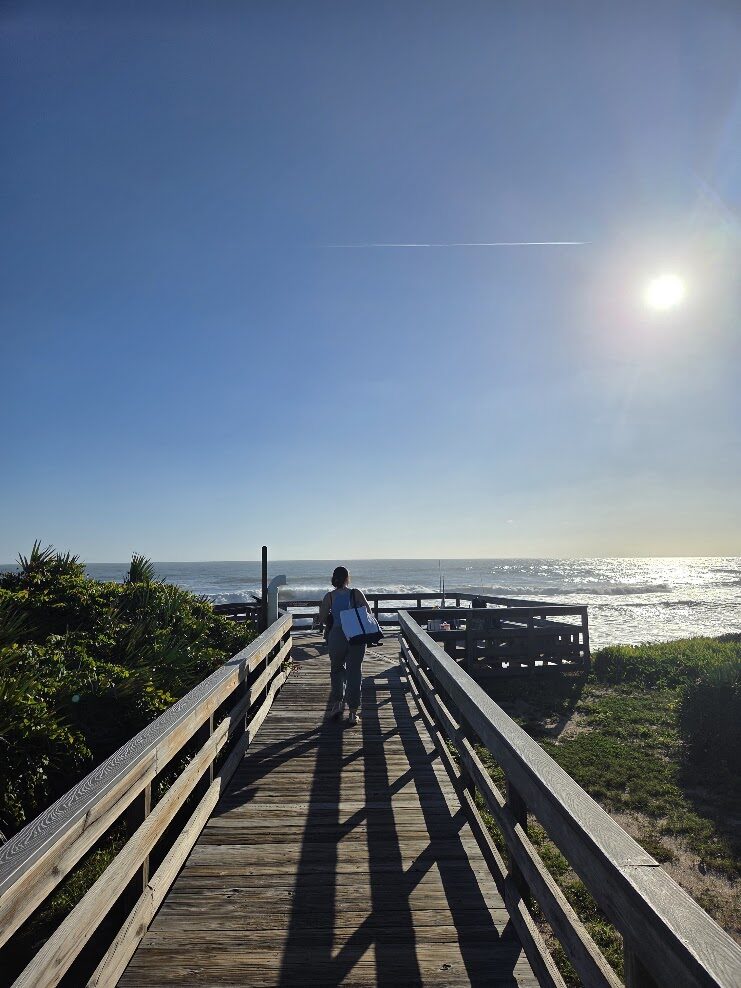
- Bring a beach cart. The boardwalks to the beach can be long.
- Leave the metal detector at home. They’re prohibited in the park.
- Get your passport stamp at the Apollo Beach Visitor Center, the park’s only visitor center.
When to Visit Canaveral National Seashore
Canaveral National Seashore is open from 6 a.m. to 8 p.m. in summer and 6 a.m. to 6 p.m. in winter, with last entry one hour before closing. The Apollo Beach Visitor Center is open 9 a.m. to 5 p.m. daily except Christmas.
We recommend visiting in the fall or spring, October through April, on a weekday. It’s cooler, the bugs back off, and fall brings the mullet run and good lagoon fishing. Just check the surf and tide forecast in fall, when king tides and cold fronts can wreck a beach day like they did ours. Summer is the season for swimming (with lifeguards from late May to early September), sea turtle nesting and Turtle Watch programs, but it’s hot, buggy and busy on weekends.
Always check the park website or call (386) 428-3384 for the most up-to-date information, especially for Playalinda launch closures and parking lot construction.
What To Bring to Canaveral National Seashore
- A credit or debit card, or your America the Beautiful pass and photo ID (no cash accepted)
- Water and lunch (no food service in the park)
- Sunscreen, a hat and a beach umbrella (no shade on the sand)
- Bug spray
- Sandals or water shoes
- Surf rods and sand spikes, and/or light inshore tackle, plus your Florida saltwater fishing license
- A kayak or paddleboard for the lagoon
- Binoculars for birds, dolphins and launches
- Cans, not glass, if you bring alcohol (21+)
Fees & Reservations
No reservations are needed for day use. Here are the current fees, as of September 2026:
| Pass | Price | Details |
| Private vehicle | $25 | Everyone in one vehicle, 7 consecutive days, both districts |
| Motorcycle | $20 | 7 days; up to 2 motorcycles and 4 people |
| Walk-in or bike | $15 per person | 7 days; under 16 free |
| Canaveral annual pass | $45 | This park only, 12 months |
| America the Beautiful pass | $80 (US residents), $250 (non-residents) | All national parks and federal recreation lands for a year; senior, military, access and 4th-grade versions are free or discounted |
| Island campsite | $25 per night | Reserve on Recreation.gov; entrance fee not included |
| Canoe rental (campers) | $25 per night | Sites 1–5 only, 18+ |
The remaining 2026 fee-free days are October 27 (Theodore Roosevelt’s birthday) and November 11 (Veterans Day). You can buy a digital pass in advance on Recreation.gov.
Frequently Asked Questions
How much does Canaveral National Seashore cost?
$25 per vehicle, good for 7 days at both the Apollo and Playalinda entrances. An America the Beautiful pass covers it.
Can you pay with cash?
No. The entrance stations take only credit, debit and touchless payments, or a digital pass bought ahead of time.
Should I go to Apollo Beach or Playalinda Beach?
Go to Apollo (New Smyrna Beach) for Turtle Mound, Eldora, the visitor center, paddling and fishing. Go to Playalinda (Titusville) for rocket launch views and to pair the beach with Merritt Island National Wildlife Refuge. The roads don’t connect, so pick one per day.
Is there a nude beach at Canaveral National Seashore?
Yes, two. At Apollo, the clothing-optional area starts south of Parking Area 5. At Playalinda, it’s reached from Parking Area 13. Nudity is legal in the Volusia County part of the park but not in Brevard County, where Playalinda’s lots are.
Can you swim at Canaveral National Seashore?
Yes, but lifeguards are only at designated areas from late May through early September. Rip currents are common, so check the surf forecast. On high-surf days, like our king tide visit, nobody goes in.
Are dogs allowed?
Not on the beach or the beach boardwalks. Dogs can go on park trails and to lagoon access areas.
Is alcohol allowed on the beach?
Yes, if you’re 21 or older, but glass containers are prohibited.
Do I need a fishing license?
Yes, a Florida saltwater fishing license from FWC. The park is federal and doesn’t sell them.
Can you keep redfish from Mosquito Lagoon?
No. Redfish have been catch-and-release only in the Indian River Lagoon region, which includes Mosquito Lagoon, since September 2022.
Can you camp at Canaveral National Seashore?
Only on the 14 boat-in island sites in Mosquito Lagoon, at $25 per night through Recreation.gov. There’s no RV, car or beach camping.
Can you watch rocket launches from Canaveral National Seashore?
Yes, from Playalinda, if the launch happens during park hours and the district isn’t closed for it. Arrive hours early; the park limits entry once it fills.
Why is the sand made of shells?
Apollo Beach is made largely of crushed shell (coquina) rather than fine quartz sand. It’s coarse and crunchy, so bring sandals.
When is sea turtle nesting season?
April through October, peaking in late June and early July. The park set a record of more than 17,000 nests in 2026.
Is there a passport stamp?
Yes, at the Apollo Beach Visitor Center. We picked ours up on the way out.
Conclusion
Canaveral National Seashore has surprising diversity: hiking trails, fishing on two completely different waters, 2,000 years of history, and 24 miles of beach with nothing built on it. Even on a day when the ocean wouldn’t let us swim or fish, the park was worth the drive. Check the tides, bring gear for both sides of the island, and plan a second day for Playalinda.
Other Sights Near Canaveral National Seashore
- Merritt Island National Wildlife Refuge: You drive through it on the way to Playalinda; Black Point Wildlife Drive is a popular one-way loop for birds and gators.
- Kennedy Space Center Visitor Complex: South of Playalinda, off SR 405 from Titusville.
- New Smyrna Beach: Restaurants, lodging and the surf town right outside the Apollo entrance.
- Blue Spring State Park: Tubing, swimming and winter manatees about an hour west.
- Gemini Springs Park: A quiet, free spring park in DeBary for a walk or picnic.
- Lyonia Preserve: Scrub-jay habitat in Deltona, on the way back toward I-4.
- Castillo de San Marcos and Fort Matanzas: The next NPS sites up the Atlantic coast, in St. Augustine.
Leave a Reply