
My wife and I visited Fort Pulaski National Monument in February while we were staying on Tybee Island, so it was right up the road. We watched the film, explored the fort and its tunnels, walked the moat to see the cannon damage, and hiked the Lighthouse Overlook and Dike trails. On the way out, we spotted a bald eagle nest. This guide covers the 2026 fees and hours, the siege that made this fort famous, what to see inside and out, and a 3-hour plan.
Is Fort Pulaski Worth Visiting?
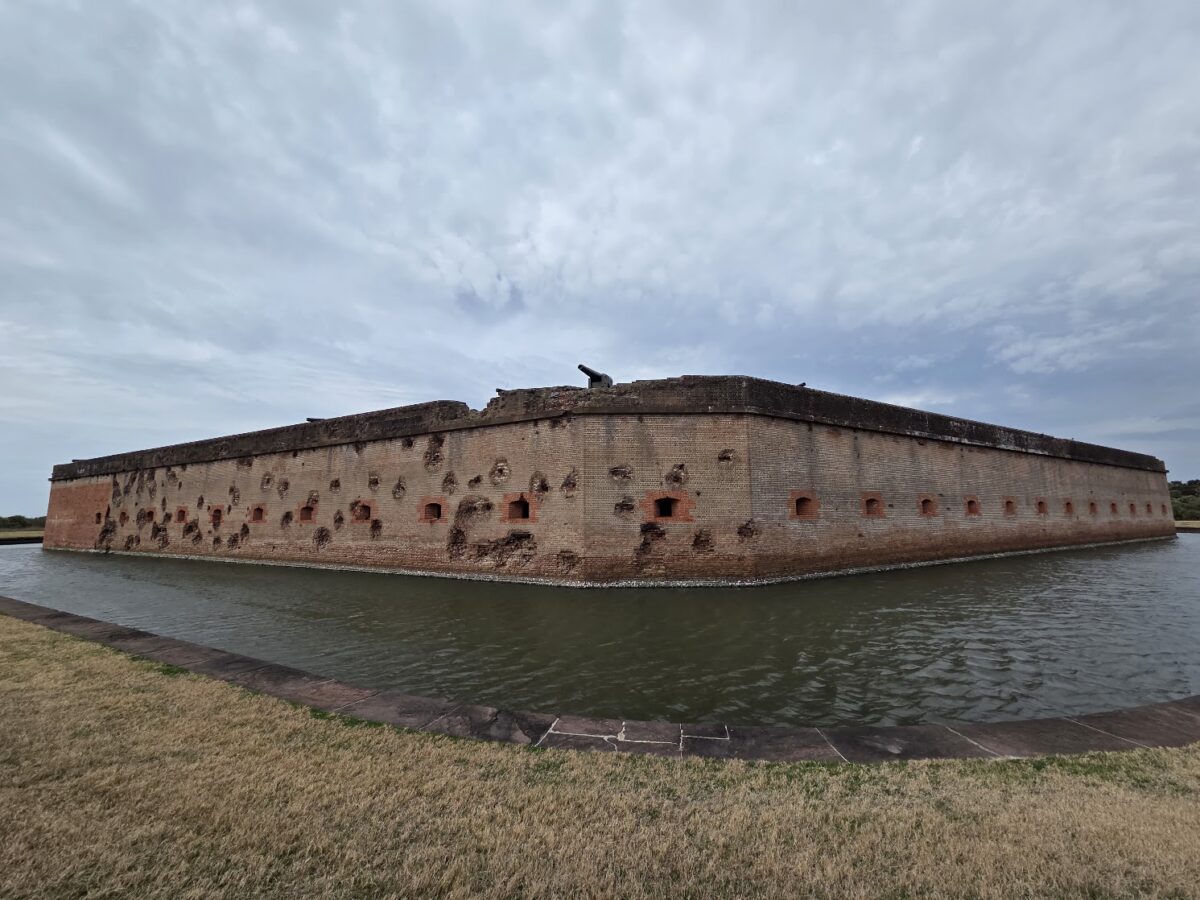
Yes. Fort Pulaski has to be one of the coolest forts on the Eastern Seaboard. It’s massive, and the outside is still riddled with holes from Union rifled cannons, some with the shells still stuck in the brick. The 1862 siege here proved that brick forts were obsolete, and you can see the proof on the walls. It’s an easy half-day from Savannah or Tybee Island, with trails, a lighthouse view, and wildlife.
Who should skip it: very few people. If you only have an hour, you can still see the fort itself. The upper level is reached by stairs only.
Quick Facts
- Location: 101 Fort Pulaski Road, Savannah, GA 31410, on Cockspur Island off U.S. 80, about 15 miles (25 to 30 minutes) east of downtown Savannah and 10 minutes from Tybee Island
- Time Needed: 2 hours for the film and fort; 3 to 4 hours with the trails
- Best For: Civil War history buffs, families, NPS passport collectors, birders, anyone staying in Savannah or on Tybee
- Don’t Miss: Walking the moat to see shells still lodged in the southeast wall
- Best Time to Visit: October through April, in the morning
- Hours: Grounds and visitor center 9 a.m.–5 p.m. daily; the fort closes at 4:30 p.m., and last entry is 4:30. Closed Thanksgiving, Christmas and New Year’s Day
- Admission: $10 per person 16 and older, good for 7 days; 15 and under free. Card only. America the Beautiful passes accepted
- Official Website: https://www.nps.gov/fopu/
Know Before You Go
- No cash. Fees are credit or debit only.
- Gorge wall work (fall 2026): the interior rooms along the fort’s back wall are under preservation work starting September 2026. Expect some barricades.
- McQueen’s Island Trail is closed for a county restoration project starting August 3, 2026, and the North Shoreline is permanently closed.
- Ask about the film. The park has at times paused showings in the visitor center and posted the film online instead. It was showing when we visited.
Overview of Fort Pulaski
Fort Pulaski National Monument protects 5,623 acres on Cockspur and McQueens Islands, at the mouth of the Savannah River next to Tybee Island. Most of that is salt marsh. The centerpiece is a five-sided brick fort with walls about 7.5 feet thick, surrounded by a moat, with a triangular outwork called the demilune behind it. The park also has a visitor center with exhibits and a film, the 1856 Cockspur Island Lighthouse (viewable but closed to the public), several miles of trails, and a picnic area. More than 320,000 people visited in 2025, making it far busier than most small NPS forts, but the grounds absorb the crowds well.
Historical Context
Building it: Fort Pulaski was built between 1829 and 1847 as part of the nation’s “Third System” of coastal forts. It’s named for Casimir Pulaski, the Polish cavalry officer killed in the 1779 Siege of Savannah. A young Lt. Robert E. Lee, fresh out of West Point, worked here from 1829 to 1831 on the island’s drainage and dike system. Because Cockspur Island is mostly mud, engineers drove wooden pilings up to 70 feet deep to hold an estimated 25 million bricks. Soldiers, hired laborers and enslaved people rented from local plantations did the work, and the fort cost nearly $1 million.
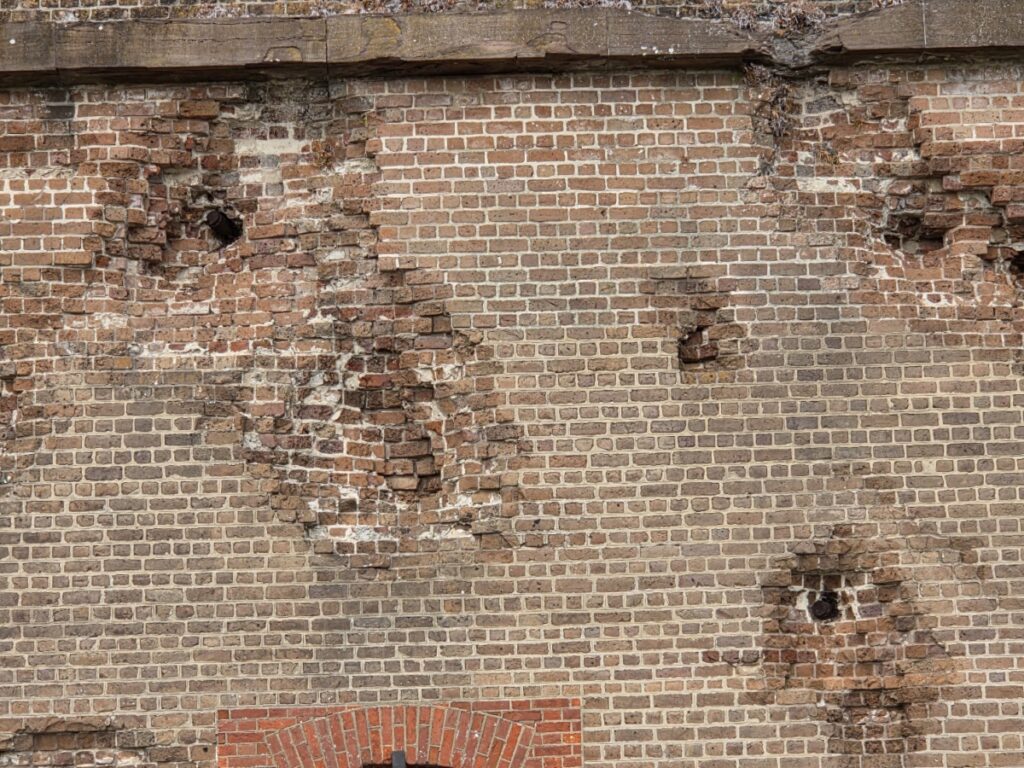
The siege: Georgia troops seized the fort in January 1861, before the war started. Union forces landed on Tybee Island, and from February to April 1862 they built 11 batteries along its north shore. They worked mostly at night and hauled heavy guns through the marsh on log roads to stay hidden. On April 10, 1862, they opened fire from 1 to 2 miles away with new rifled cannons, which spin their shells for range and accuracy. By the next afternoon, the guns had blown open the southeast corner. Shells were flying across the parade ground toward the main powder magazine, and Col. Charles Olmstead surrendered after about 30 hours. Only one Union soldier was killed, and Confederate losses were light.
| Date | What happened |
|---|---|
| 1829–1847 | Fort built on Cockspur Island; Lee works on the dikes, 1829–1831 |
| January 1861 | Georgia militia takes the fort |
| February–April 1862 | Union troops secretly build 11 batteries on Tybee Island |
| April 10–11, 1862 | Rifled cannons breach the southeast wall; the garrison surrenders after about 30 hours |
| April 13, 1862 | General David Hunter’s General Order No. 7 frees enslaved people on Cockspur Island |
| October 1864–March 1865 | The “Immortal 600” Confederate officers are held here as prisoners of war |
| 1869–1872 | Demilune rebuilt with magazines and tunnels |
| October 15, 1924 | President Coolidge proclaims Fort Pulaski National Monument |
Why it matters: Union engineer Quincy Gillmore showed that rifled cannons could break masonry walls quickly, and the U.S. stopped building brick forts like this one. After the capture, the fort became a destination for freedom seekers, many of whom later enlisted in some of the first Black Union regiments. In 1864, the Union held hundreds of Confederate officers in its casemates on starvation rations; 13 died and are buried just outside the fort.
Best Things to Do at Fort Pulaski
Start with the Film
The visitor center has exhibits and a park film that sets up the siege, Lee’s dikes and the fort’s engineering. It’s one of the better films in the park system.
Explore the Fort and the Demilune Tunnels
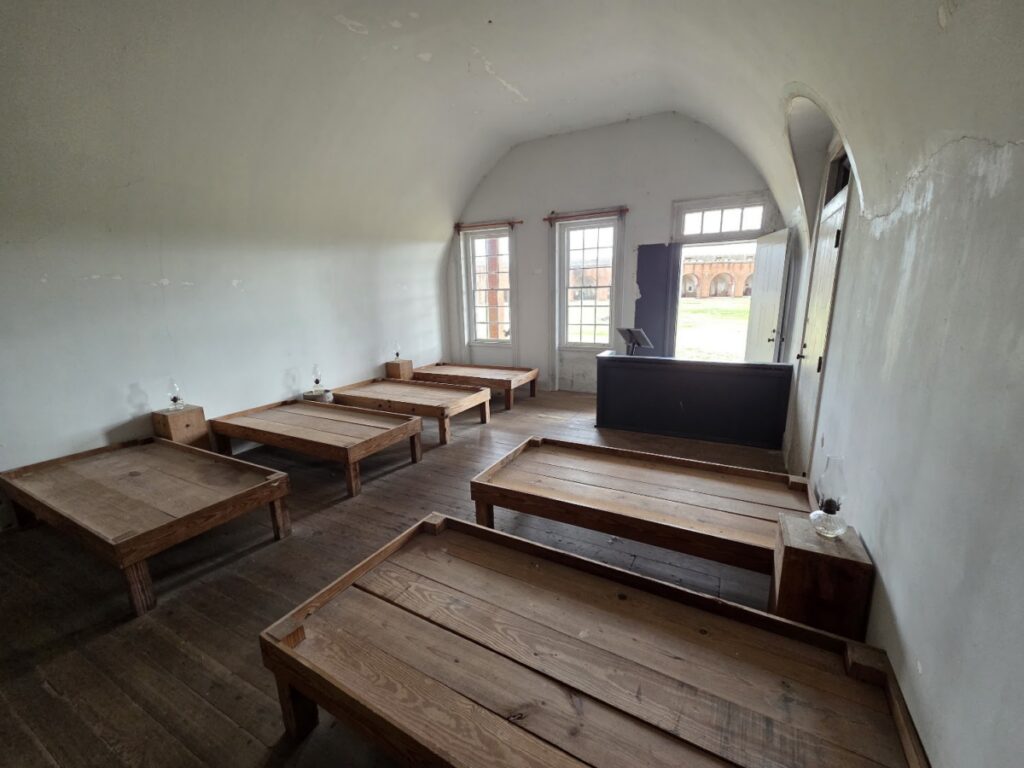
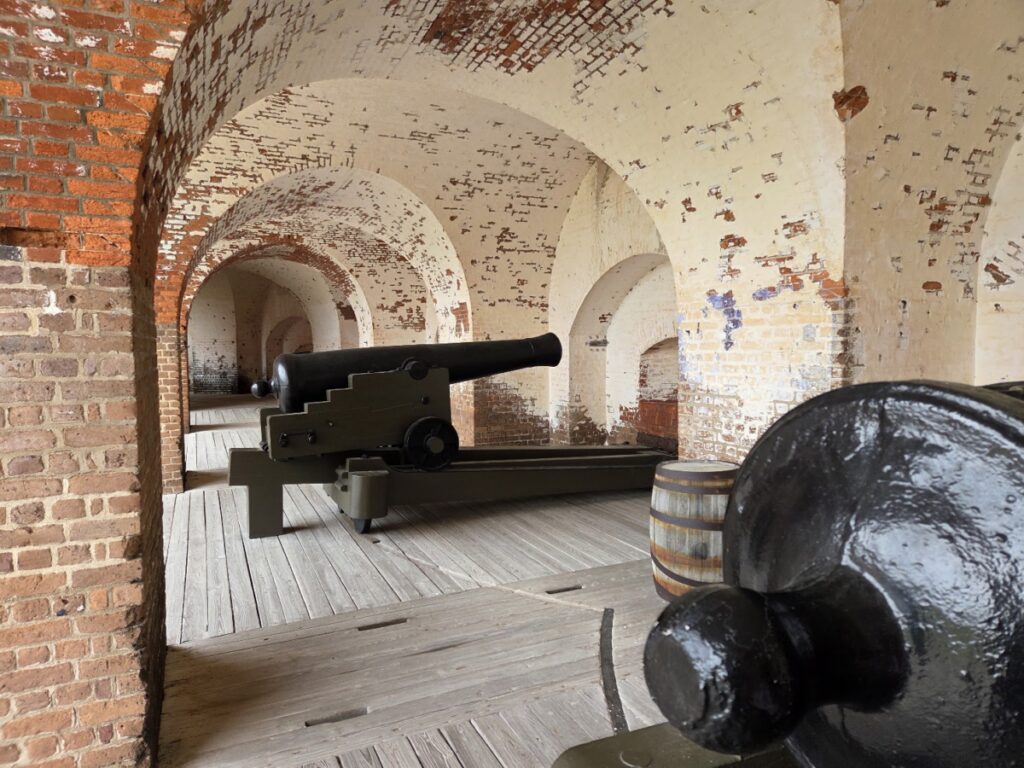
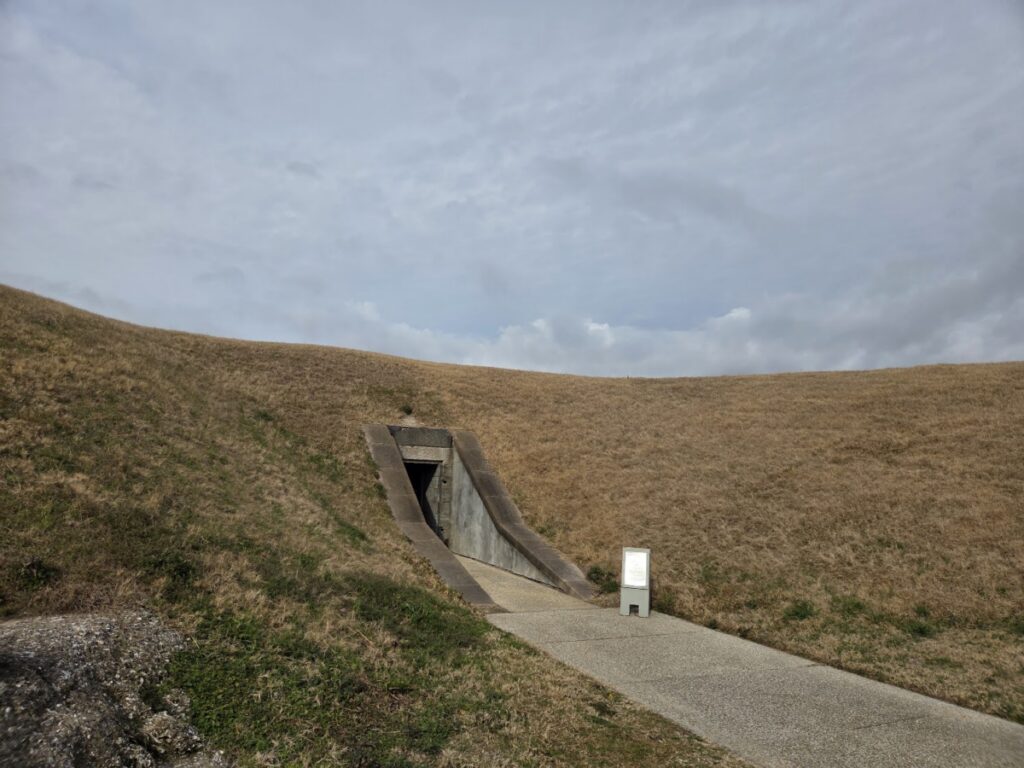
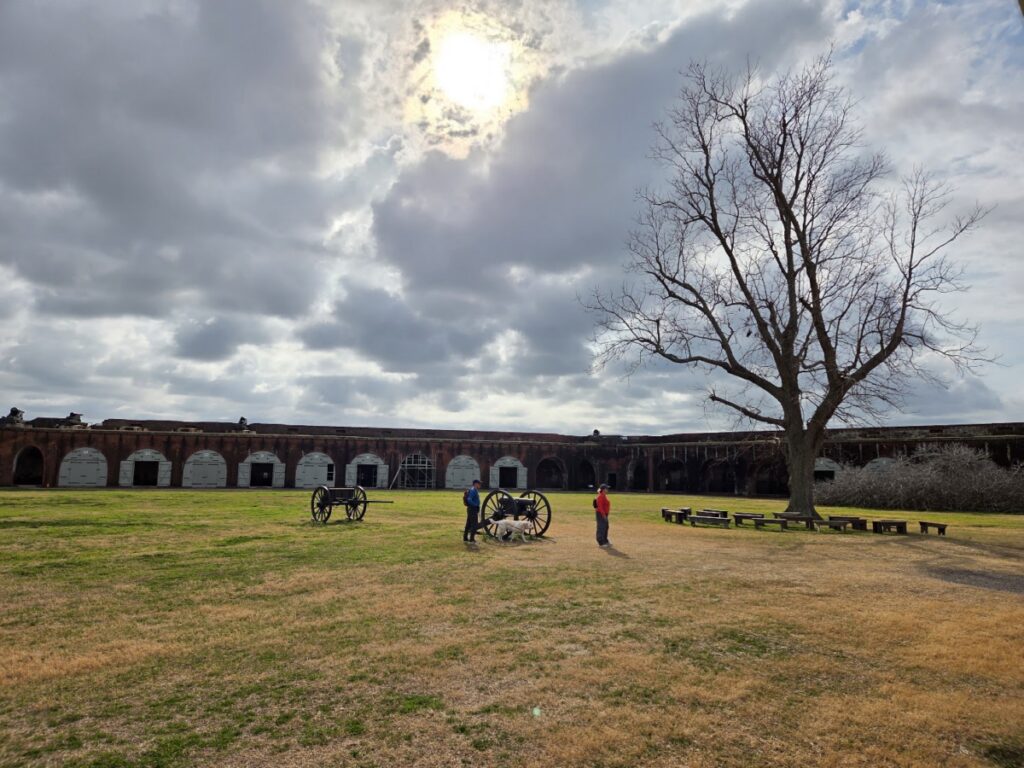
Cross the drawbridge into the fort. Inside are casemates with exhibits on the Civil War and fort life, the cells used for the Immortal 600, the gift shop, and a parade ground with a huge fig tree and a pecan tree. Out back, the demilune has post-war magazines connected by tunnels you can walk through.
Climb to the Top
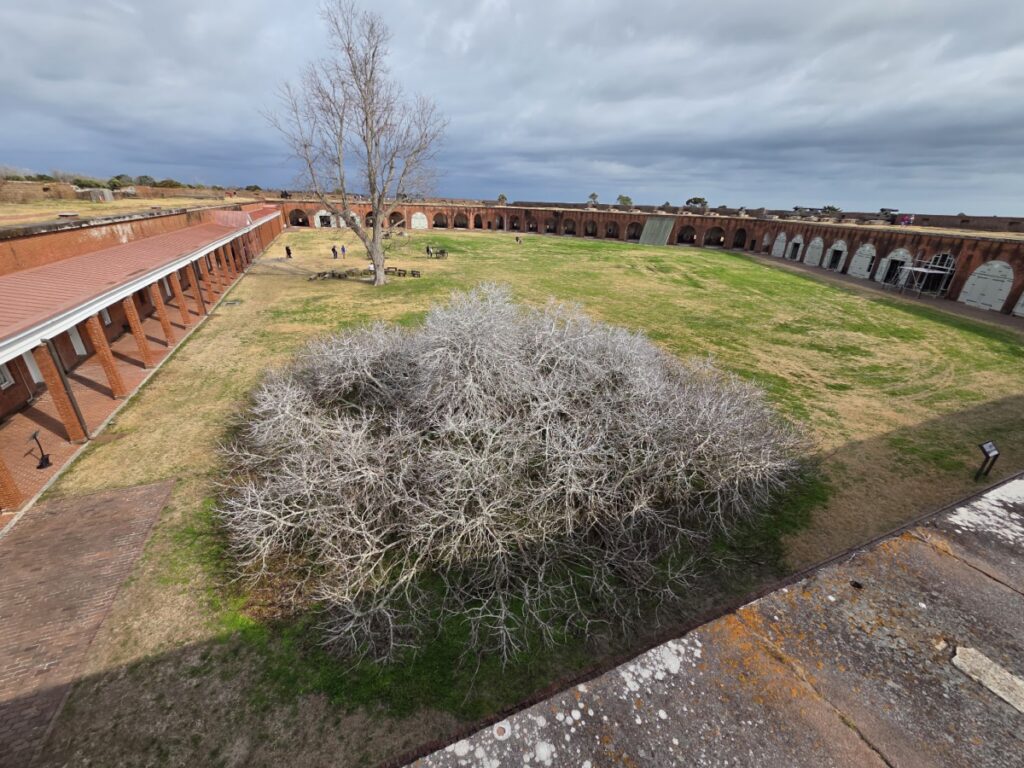
A spiral staircase in the corner leads to the terreplein, the top level where the big guns sat. It has views of the marsh, the Savannah River, and the Cockspur Island Lighthouse.
Walk the Moat to See the Battle Damage
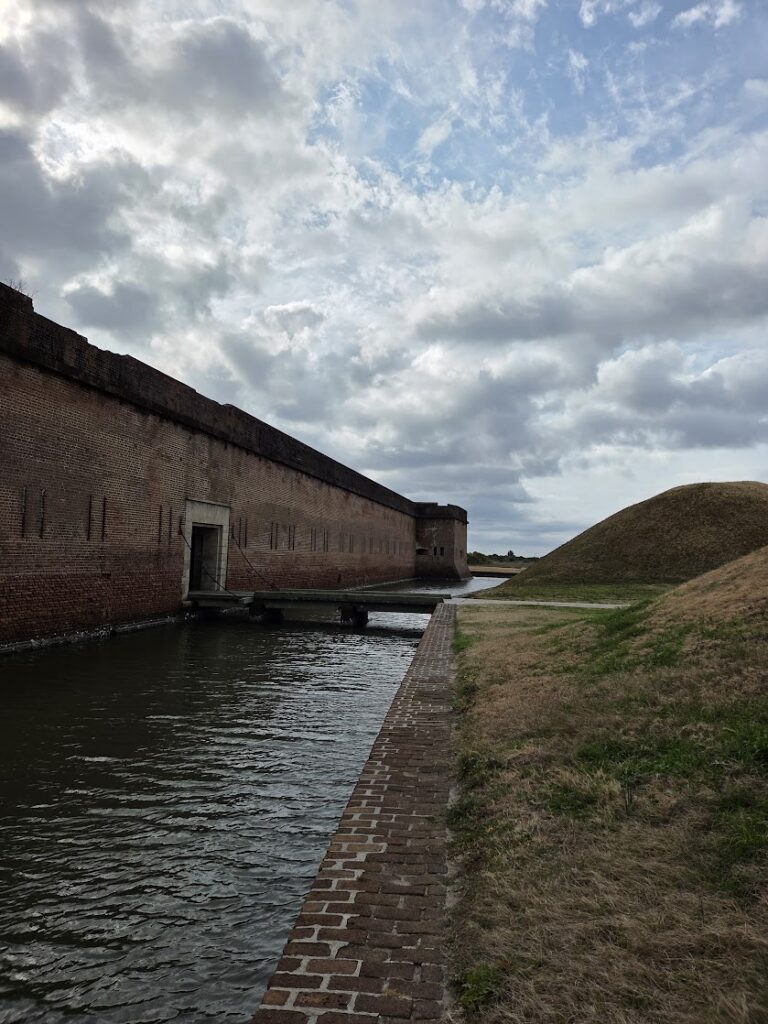
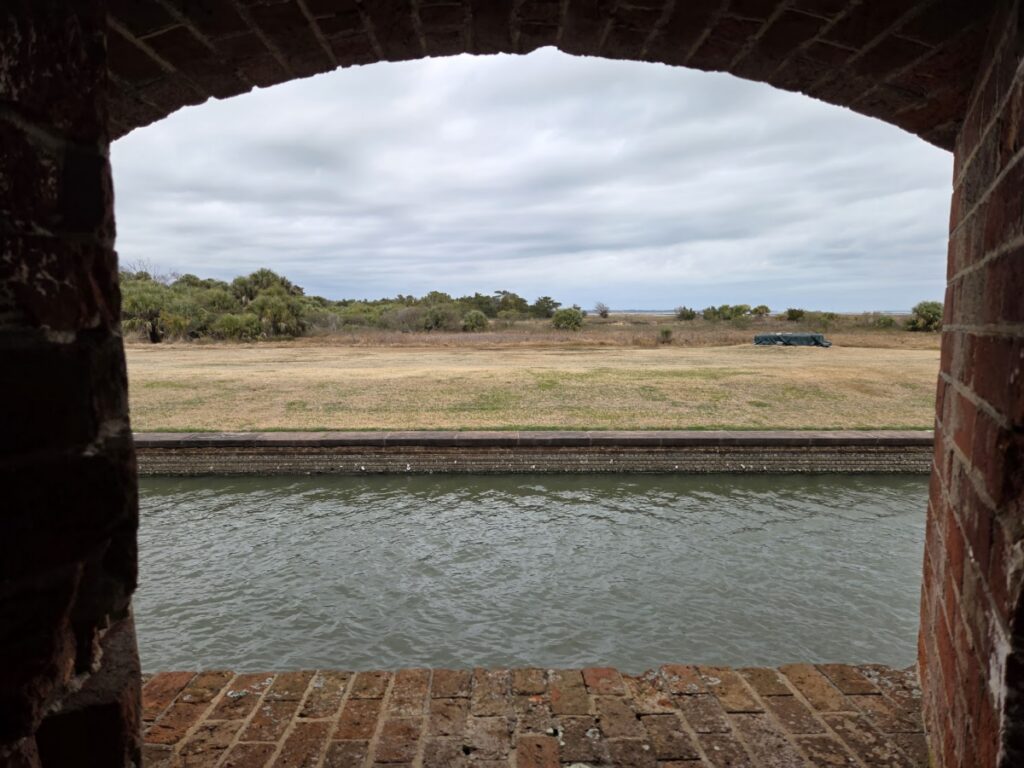
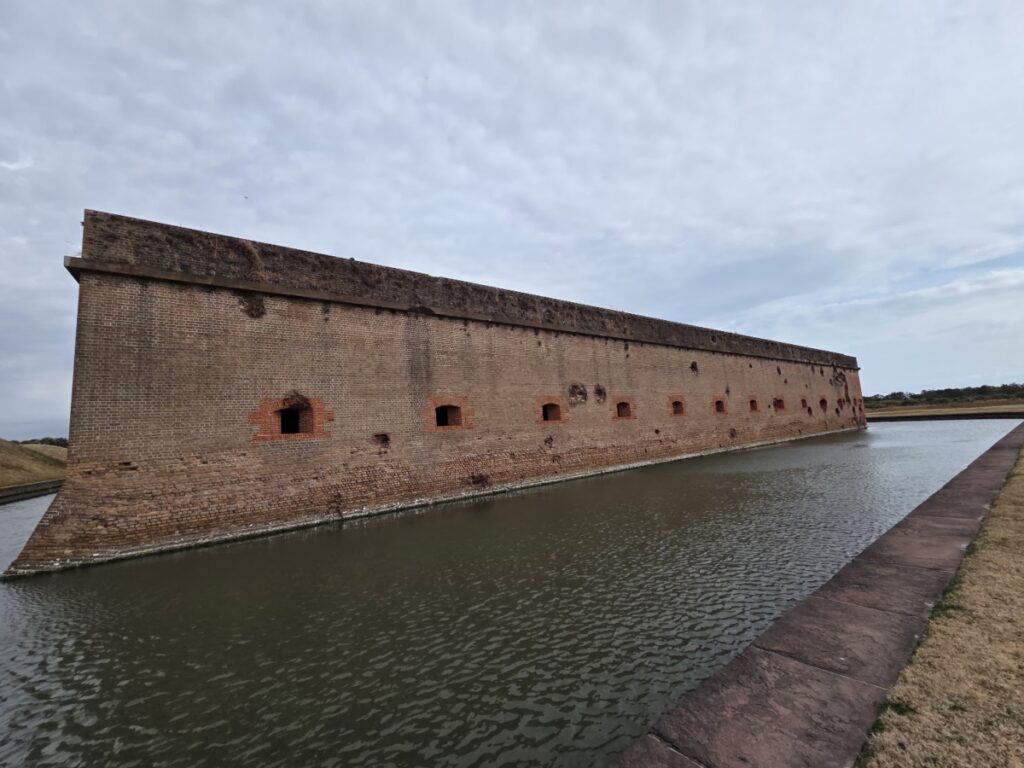
The walk around the outside of the fort gives the closest look at the southeast wall. There you’ll see craters, bricked-up casemates where the wall was breached, and Union shells still lodged in the brick. Rangers say alligators sometimes sun in the moat on warm days.
Watch for Wildlife
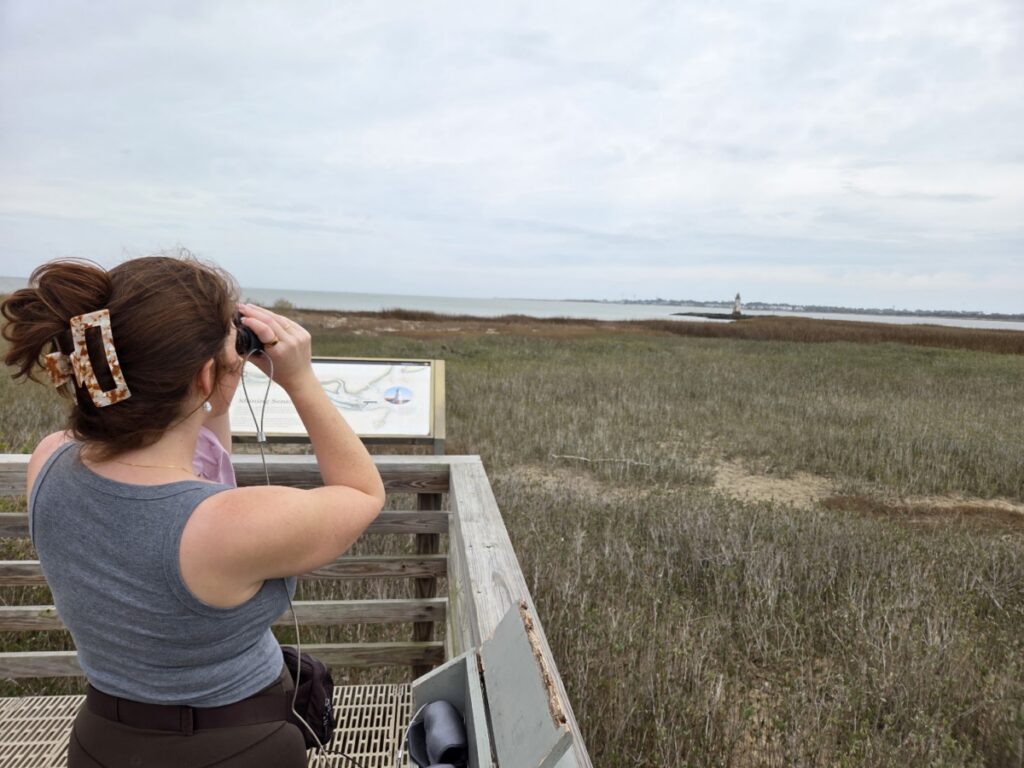
The island has more than 200 recorded bird species, including bald eagles, wood storks, painted buntings in summer, and big flocks of American oystercatchers. Bring binoculars.
Best Hikes at Fort Pulaski
| Trail | Length | Surface | Highlights |
|---|---|---|---|
| Lighthouse Overlook Trail | 1.7 mi out and back | Dirt to oyster shell; little shade | Best view of the Cockspur Island Lighthouse; muddy after high tide or rain |
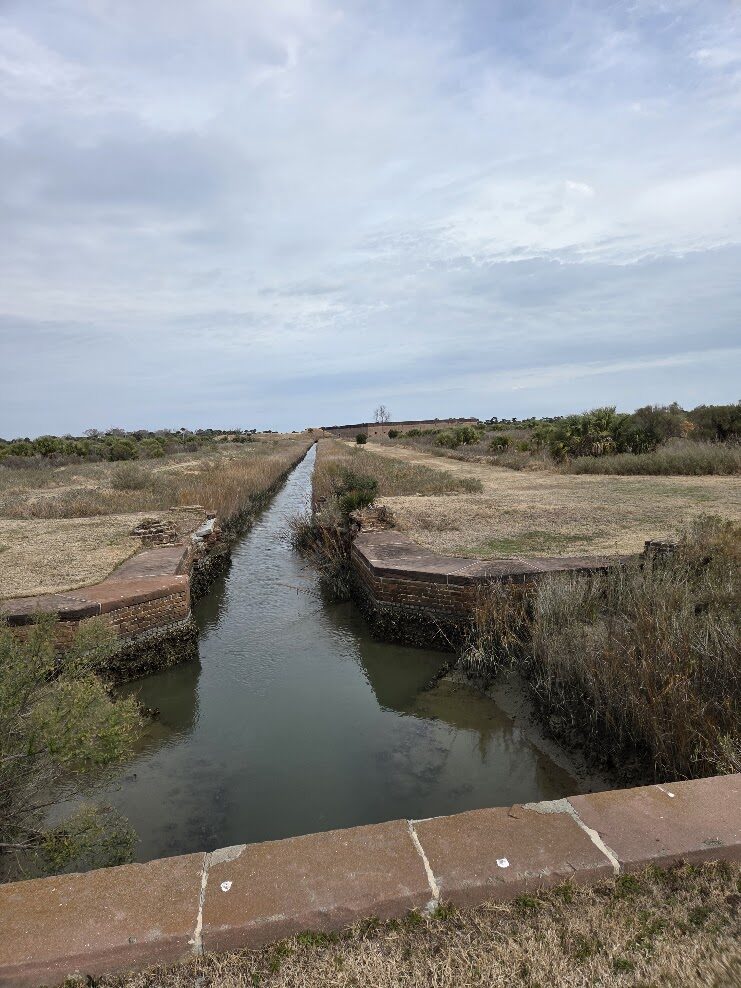
| Historic Dike System Trail | 2 mi loop | Grass and crushed shell | Circles the fort on the dikes Lee helped design; river and marsh views |
| North Pier Trail | Under 1 mi out and back | Paved | Shady woods, Battery Hambright, the old north pier |
| McQueen’s Island Trail | 6 mi | Packed gravel | Old Tybee rail line at the park entrance; closed from August 2026 |
Key Areas in Fort Pulaski
- Visitor center: Exhibits, the film, restrooms, and the passport stamp.
- The fort: Drawbridge, casemates, parade ground, gift shop, and the terreplein.
- Demilune: The triangular outwork behind the fort, with its tunnels and magazines.
- Moat and southeast wall: Where you can see the 1862 battle damage.
- Cockspur Island Lighthouse: Visible from the Lighthouse Overlook Trail and the fort’s top level.
- Cemetery: Graves of the Immortal 600 prisoners who died here.
- Picnic area: Covered and open tables; no reservations.
Our Experience at Fort Pulaski
The film. My wife and I stayed on Tybee Island on our February trip for a friend’s wedding in Savannah, so this was right up the road. We started at the visitor center, where we looked at the exhibits and watched the movie. The movie is one of the better ones we have seen in the park system, and it prepared us well to take in the exhibits in the fort. When Union forces on Tybee Island besieged the fort, the walls finally cracked open at a corner, which exposed the path to the powder magazine to cannon fire. Only then did the Confederates surrender, in a mostly bloodless fight. Union troops dragged cannons through the marsh under cover of night for weeks to prepare for it.
The end of brick forts. This battle proved that traditional forts were obsolete. They were no match for improving military technology, specifically rifled cannons. That trend has continued throughout history. We also learned how much engineering went into this fort: it sits on wooden pilings driven deep into the mud, and its walls have held up for nearly 180 years.
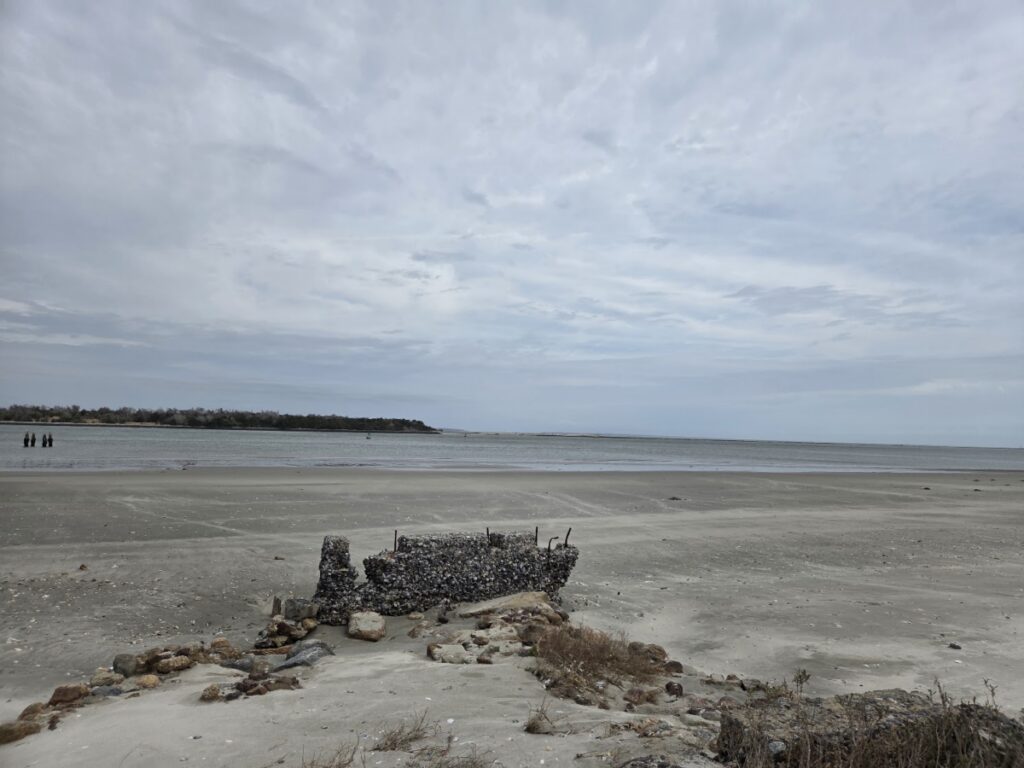
Tunnels and wild onions. We saw the demilune first and explored the tunnels, which was an unexpected touch. We saw wild onions growing on the side of it.
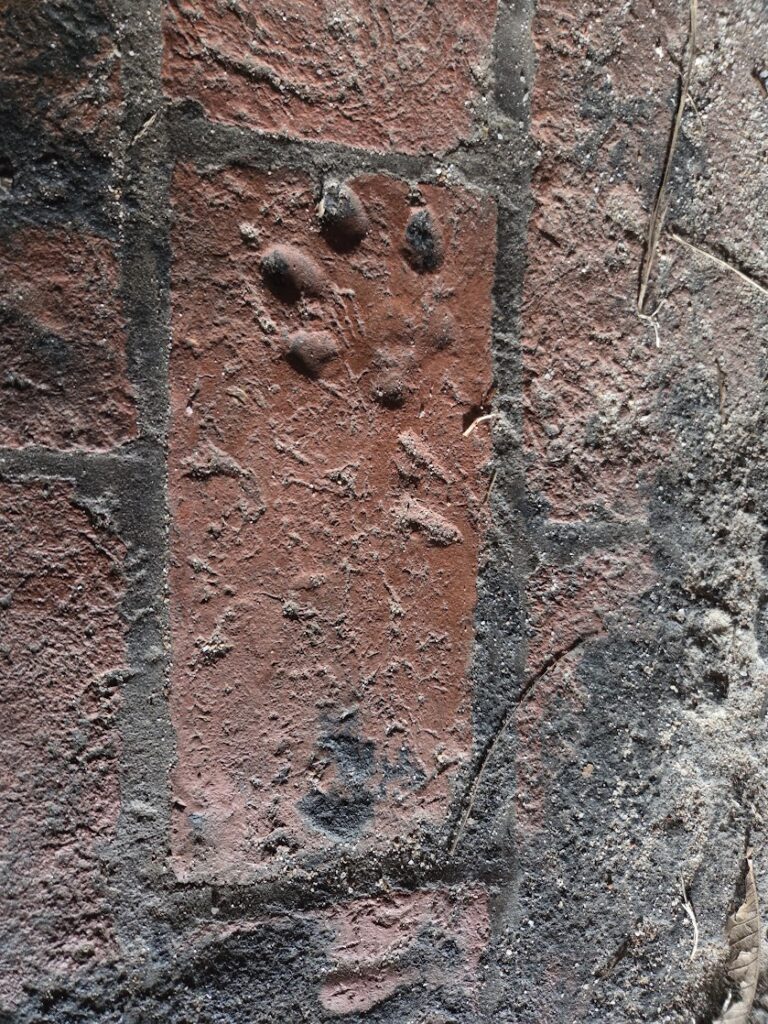
Inside the fort. We walked through the fort, taking in each exhibit, and the gift shop is inside the fort too. We saw the huge fig tree and pecan tree on the parade ground. There was a dog paw print in one of the bricks, probably left when the handmade bricks were drying. We went up the spiral staircase to the top level of the fort and took in the view.
The walls. We walked around the fort and looked at the moat and the damage to the wall. Many of the holes in the wall still have rifled cannon shells sticking out, still lodged in the brick. We were told that on warmer days, you can see alligators in the moat.
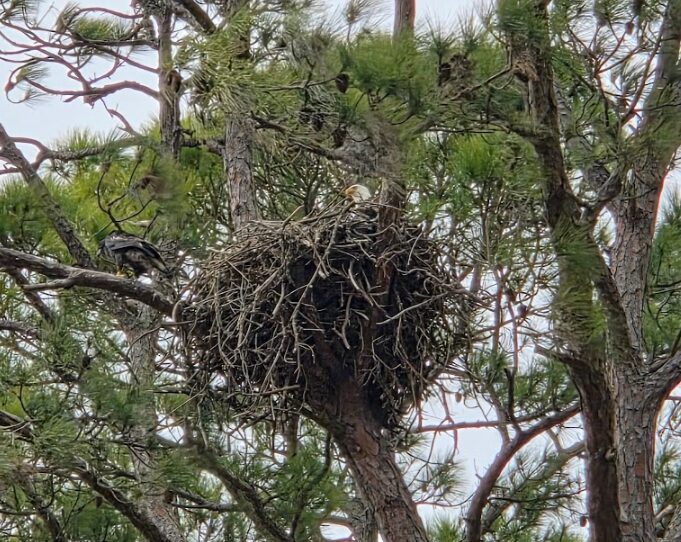
Trails and an eagle. We hiked the Lighthouse Overlook Trail and the Dike Trail. We learned in the visitor center movie that Robert E. Lee designed the dike system. Driving around the island on the way to our campsite, we saw people taking pictures of a tree. We parked and walked up to see a bald eagle in its nest, with a young adult perched outside the nest!
Next stop. From Fort Pulaski, we drove straight to Old Fort Jackson on the way back toward Savannah.
Don’t Make Our Mistake
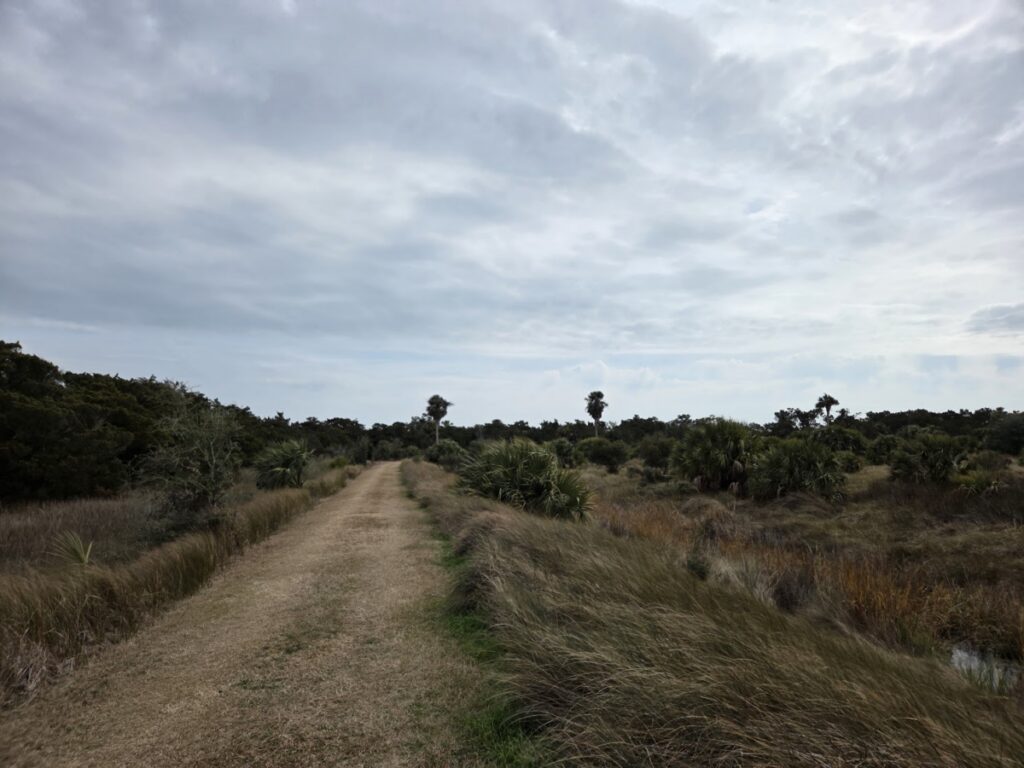
Don’t skip the trails. Most visitors see the fort and leave, but the dike and lighthouse trails, plus wildlife like the eagle we saw, made this a half-day instead of an hour. Check the tide before the Lighthouse Overlook Trail, since the end gets muddy.
What We Would Do Differently
We would time a return visit for a warmer afternoon to look for alligators in the moat, and check the park calendar for a ranger talk or musket demonstration.
How to Visit Fort Pulaski in 3 Hours
- Visitor center exhibits and film (30 minutes).
- Walk to the fort; explore the demilune tunnels, then the casemates, parade ground and top level (60 minutes).
- Walk the moat path to see the southeast wall damage (15 minutes).
- Hike the Lighthouse Overlook Trail or the Dike Trail (45 to 60 minutes).
If You Only Do One Thing
Walk the moat around the southeast wall. The shells still lodged in the brick show you, in one look, why this siege changed military history.
Full-Day Itinerary
Do Fort Pulaski in the morning: film, fort and both trails. Have lunch on Tybee Island, then spend the afternoon at the Tybee Island Light Station or on the beach. You don’t need more than one day here, but Savannah’s historic district and Old Fort Jackson can easily fill a second day.
Where to Eat Near Fort Pulaski
There’s no food in the park, but the picnic area is a good spot for lunch. The nearest restaurants are on Tybee Island (about 10 minutes east) and Wilmington Island. The Crab Shack on Tybee is a well-known seafood spot for Lowcountry boil.
Where to Stay Near Fort Pulaski
We stayed on Tybee Island, and we recommend it: the fort is just up the road, and you can pair it with the beach and the Tybee lighthouse. There’s no camping at Fort Pulaski. Stay in Savannah instead if your trip is centered on the historic district.
Tips for Visiting Fort Pulaski
- Watch the film first. It makes the fort much more meaningful.
- Look down at the bricks. You can find animal paw prints pressed into some of them.
- Look up in the trees on the drive in and out. If people are stopped and taking pictures, there’s probably an eagle.
- Check the tide for the Lighthouse Overlook Trail. The end gets muddy at high tide or after rain.
- Dogs are allowed on a leash on the grounds, but not in the visitor center.
When to Visit Fort Pulaski
Fort Pulaski is open from 9 a.m. to 5 p.m. daily, except Thanksgiving, Christmas and New Year’s Day. The fort itself closes at 4:30 p.m.
We recommend visiting in the cooler months, October through April, in the morning. February was great for us: comfortable for the trails, with few bugs. Summer is hot, humid and buggy on the marsh trails, but it’s the best time to spot alligators and painted buntings. The park often holds living history events and fee-free days in fall, so check the calendar.
Always check the park website or call (912) 219-4233 for the most up-to-date information.
What to Bring to Fort Pulaski
A credit or debit card (or your America the Beautiful pass), water, sunscreen and a hat for the open trails, bug spray from spring through fall, binoculars for eagles and shorebirds, and shoes you don’t mind getting muddy.
Fees & Reservations
| Pass | Price | Details |
|---|---|---|
| Per person (16+) | $10 | Valid 7 days; 15 and under free |
| Fort Pulaski annual pass | $35 | Passholder plus 3 adults, 12 months |
| America the Beautiful pass | $80 (US residents) | Covers entry here and at all national parks for a year |
No reservations are needed. The remaining 2026 fee-free days are October 27 and November 11 (Veterans Day).
Frequently Asked Questions
How much does Fort Pulaski cost?
$10 per person 16 and older, valid for 7 days. Kids 15 and under are free. It’s card only, and America the Beautiful passes are accepted.
How long do you need at Fort Pulaski?
About 2 hours for the film and fort, or 3 to 4 hours with the trails.
Are there still cannonballs in the walls?
Yes. Several Union rifled shells from the 1862 siege are still lodged in the southeast wall. They’re easiest to see from the moat path.
Did Robert E. Lee build Fort Pulaski?
Not exactly. As a young Army engineer from 1829 to 1831, he worked on the early stages, especially the dike and drainage system. Lt. Joseph Mansfield oversaw most of the construction.
Are there alligators at Fort Pulaski?
Yes. Rangers say they’re sometimes seen in the moat, especially on warm days. Keep your distance.
Can you bring dogs?
Yes, on a leash, but not inside the visitor center.
Can you go inside the Cockspur Island Lighthouse?
No. It’s closed to the public, but you get the best view from the end of the Lighthouse Overlook Trail.
Can you visit Fort Pulaski without climbing stairs?
Yes. You can explore portions of the fort and grounds without going to the upper level, but the terreplein is reached by steep stairs. Check the official accessibility information if you need step-free access. National Park Service
Is Fort Pulaski worth visiting in the rain?
It can be, since much of the fort’s interior is sheltered and the casemates and exhibits are interesting even if you skip the trails. However, wet conditions can make outdoor trail surfaces muddy, so check the weather and park alerts before going.
Can you see the Cockspur Island Lighthouse up close?
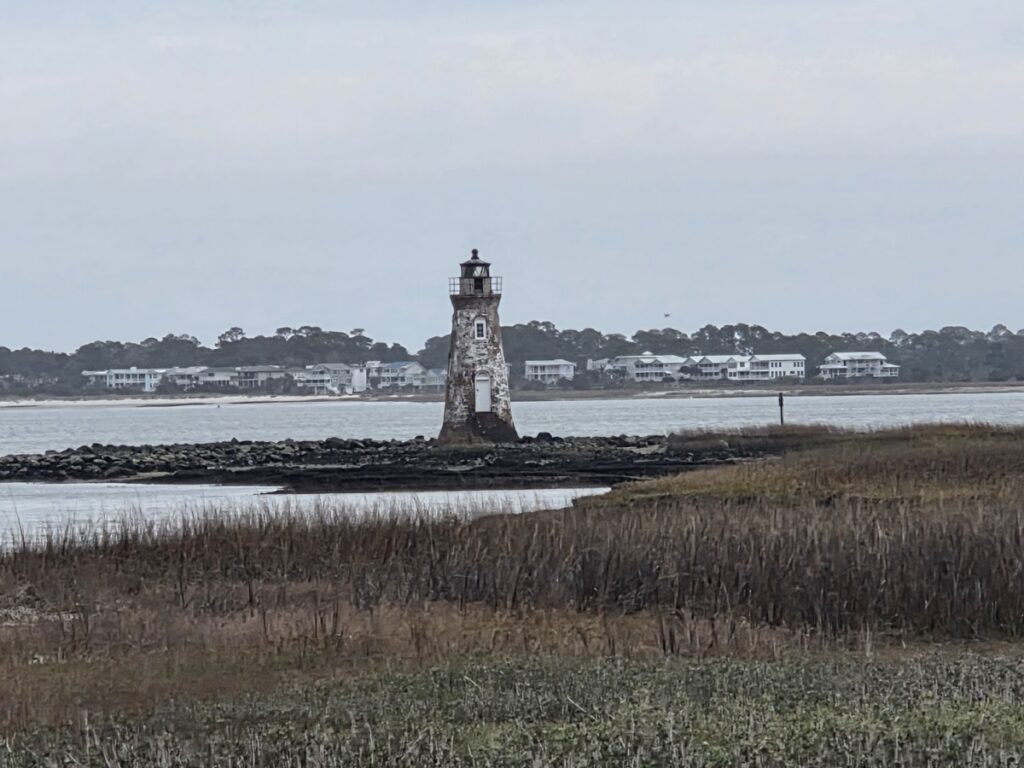
You can view it from the fort and from the Lighthouse Overlook Trail, but the lighthouse itself is closed to the public. The overlook trail provides one of the best views, and binoculars are available from the viewing platform.
Conclusion
Fort Pulaski is one of the coolest forts on the Eastern Seaboard. You can still see the shells in the walls that ended the era of brick forts, explore tunnels and casemates, and hike the dikes Lee helped design. If you’re staying in Savannah or on Tybee Island, it’s an easy, rewarding half-day, and you might spot an eagle on the way out.
Our February Lowcountry and Coastal Georgia Trip
My wife and I visited these parks on one February trip for a friend’s wedding in Savannah. Here’s every post from the trip:
- Charleston area, SC: Charles Pinckney National Historic Site: a free, one-hour founding father stop in Mount Pleasant; May Forest State Park: harbor views and dolphins on James Island (weekdays only)
- Savannah area, GA: Fort Pulaski National Monument (you’re here); Old Fort Jackson: Georgia’s oldest standing brick fort, with live firings; Wormsloe State Historic Site: the 1.5-mile avenue of live oaks
- Beaufort area, SC: Reconstruction Era National Historical Park: where Reconstruction began; Hunting Island State Park: lighthouse, lagoon and connected trails
- Golden Isles, GA: Fort Frederica National Monument: the tabby ruins of Oglethorpe’s 1736 town; Jekyll Island State Park: Driftwood Beach and the Horton House
Other Sights Near Fort Pulaski
- Tybee Island Light Station and Museum: Georgia’s oldest and tallest lighthouse, about 10 minutes east.
- Savannah Historic District: Squares, oaks and restaurants, about 25 to 30 minutes west.
- Old Fort Jackson: Georgia’s oldest standing brick fort, with live cannon firings, on the way back into the city. We went right after Pulaski.
- Wormsloe State Historic Site: A famous oak avenue and colonial ruins south of Savannah.
- Fort Sumter and Fort Moultrie: Another Third System fort and the start of the Civil War, about 2 hours north in Charleston.
- Castillo de San Marcos and Fort Matanzas: The Spanish coquina forts about 3 hours south in St. Augustine, for a coastal fort road trip.
Leave a Reply