
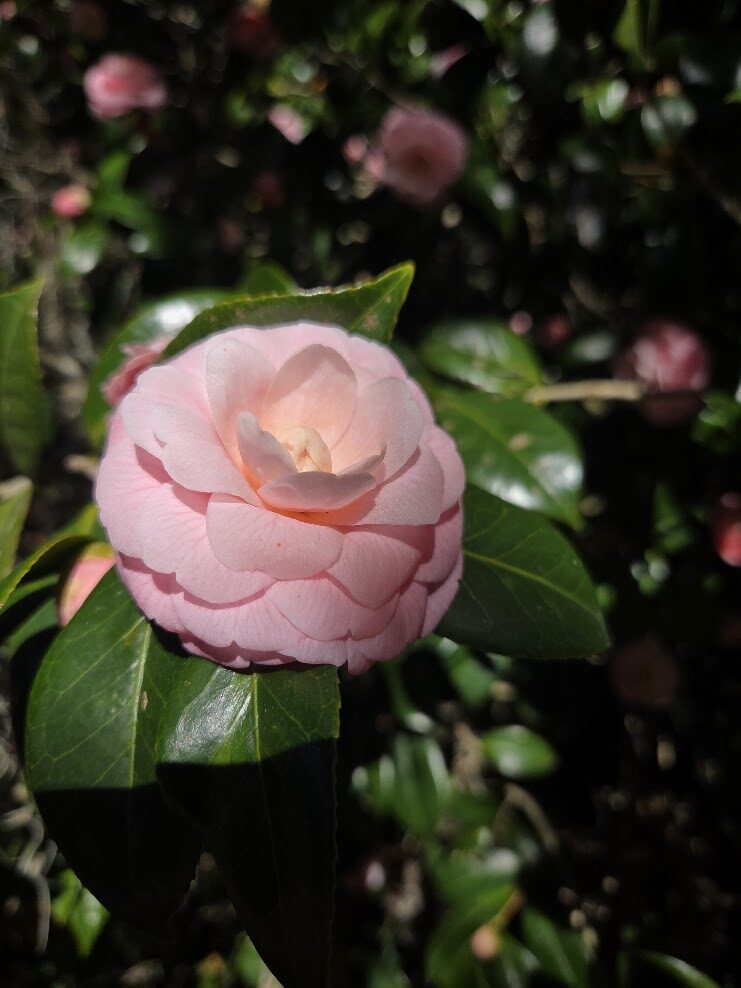
We visited Charles Pinckney National Historic Site on a Friday afternoon in February, while my wife and I were in the Lowcountry for a friend’s wedding in Savannah. The house was closed for the off-season, so we walked the nature trail, read the outdoor exhibits, saw the camellias in bloom, and rocked on the front porch. This guide covers who Pinckney was, what you can see with or without the house open, the 2026 hours, and how to fit this free, one-hour stop into a Charleston trip.
Is Charles Pinckney National Historic Site Worth Visiting?
Yes, if you like American history and you’re already in Charleston. Charles Pinckney is a seldom-discussed founding father who played an important role in developing the United States Constitution. He is also controversial, because he enslaved people his whole life. This site protects the last 28 acres of his Snee Farm plantation and tells both stories. It’s free, quiet, and takes about an hour.
Who should skip it: if you only have one day in Charleston, Fort Sumter and Fort Moultrie are the bigger NPS experiences. And don’t come on a Monday or Tuesday.
Quick Facts
Location: 1254 Long Point Road, Mount Pleasant, SC 29464, ~ 10 miles from Charleston
Time Needed: 1 hour; up to 2 hours when the house and films are open
Best For: History buffs, NPS passport collectors, families who want a quiet, free stop
Don’t Miss: The nature trail out to the enslaved quarters site and the rice field boardwalk
Best Time to Visit: Wednesday–Sunday between May 1 and late September, when the house is open; late winter for the camellias
Hours: See the table below. Closed every Monday and Tuesday
Admission: Free
Official Website: https://www.nps.gov/chpi/
| Grounds, trail & restrooms | Historic house (visitor center & museum) | |
| May 1 – Sept 27, 2026 | Wed–Sun, 9 a.m.–5 p.m. | Wed–Sun, 9 a.m.–4:30 p.m. |
| October – April | Wed–Sun, 9 a.m.–5 p.m. | Closed |
| Always closed | Mondays, Tuesdays, Thanksgiving, Christmas and New Year’s Day | |
Overview Of Charles Pinckney National Historic Site
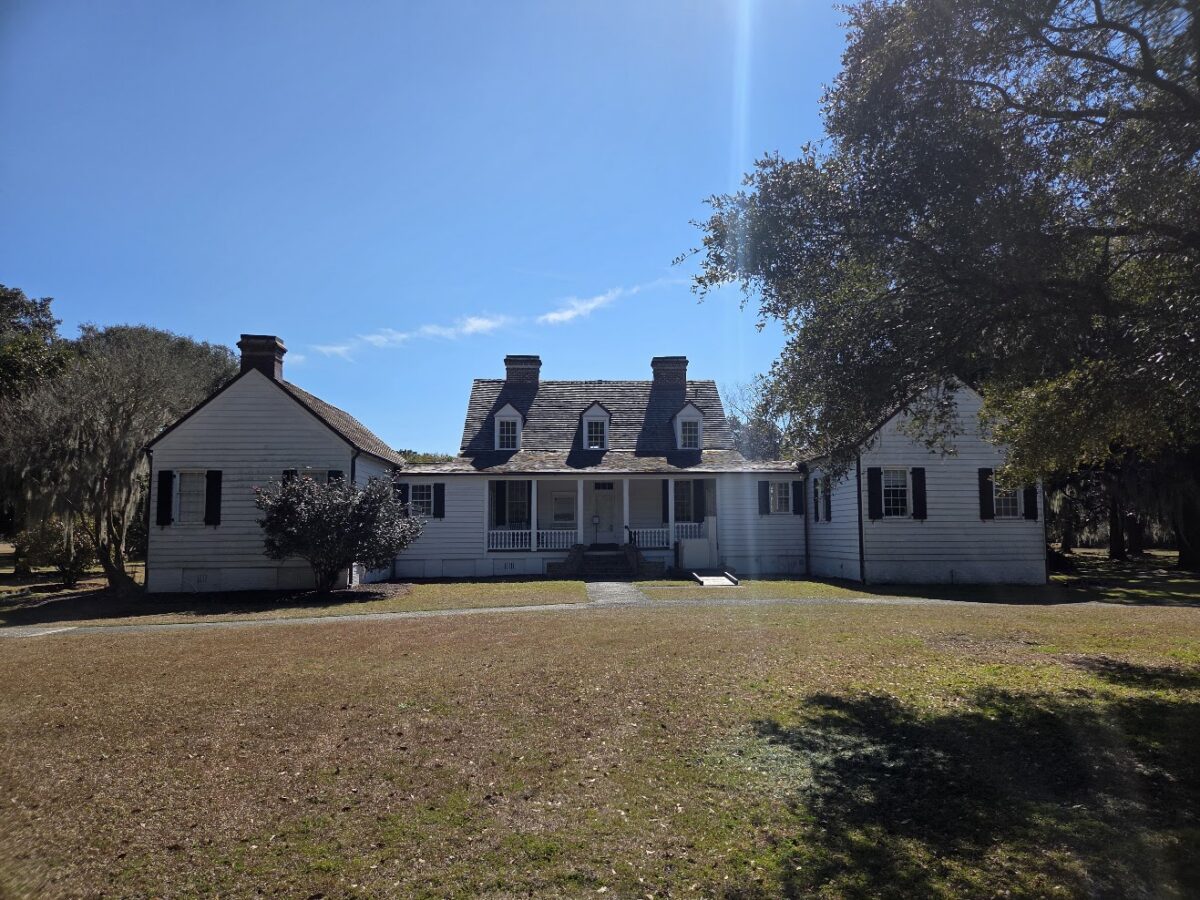
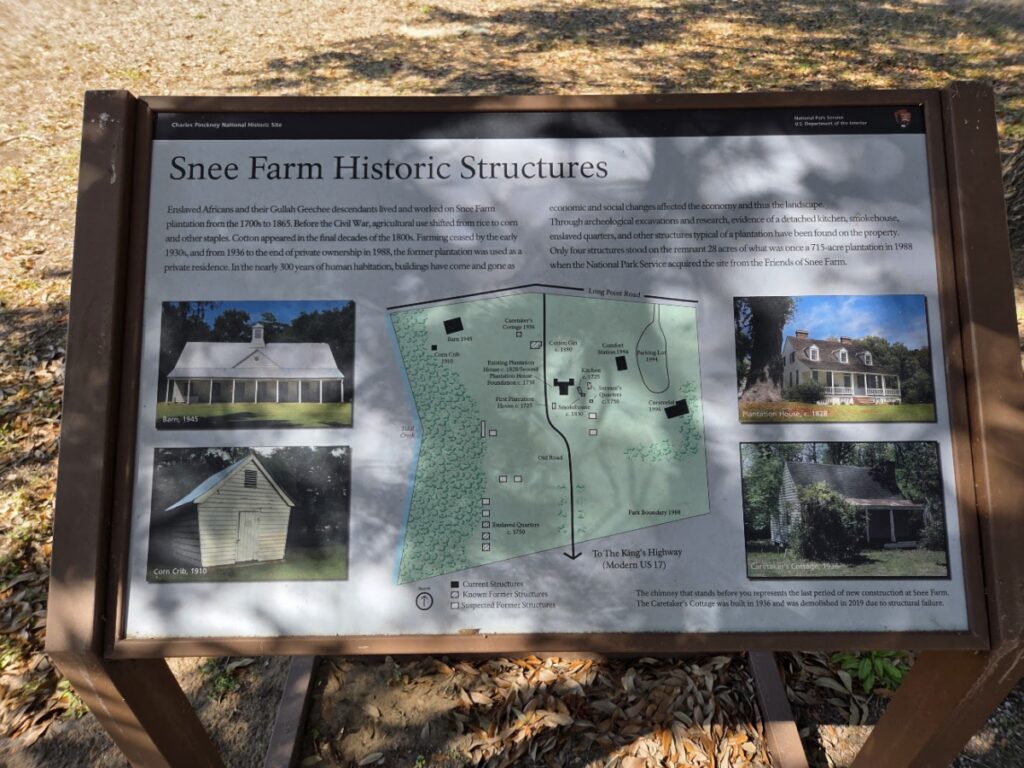
Charles Pinckney National Historic Site, just outside of Charleston, South Carolina, protects the remaining 28 acres of Snee Farm, which was once a 715-acre plantation. It has exhibits on Pinckney’s life and contributions, on the enslaved people who lived and worked on the plantation, and on the Lowcountry region of South Carolina. The site has a circa-1828 farmhouse (now the visitor center and museum), a half-mile nature trail, a live oak grove, a picnic pavilion, and a boardwalk along the tidal marsh of Wampacheone Creek. The National Park Service manages it together with Fort Sumter and Fort Moultrie. Only about 24,000 people visited in 2025, so it rarely feels crowded.
Historical Context
Who he was: Charles Pinckney (1757–1824) was a Charleston lawyer and planter. He was taken prisoner after the British captured Charleston in 1780. Later he was a Constitutional Convention delegate and signer, a four-term South Carolina governor, a U.S. senator, minister to Spain under Jefferson, and a congressman. He was a cousin of Charles Cotesworth Pinckney, another South Carolina signer.
The Constitution: during the opening days of the 1787 convention, he presented a complete plan of government, the “Pinckney Plan.” The Park Service credits him with roughly 28 clauses in the final Constitution. Historians debate the exact number, because his original draft was lost and the copy he sent James Madison in 1818 is disputed.
Pinckney is credited with the following constitutional ideas:
- Three separate branches; a single “President” as commander in chief
- A two-house Congress, with impeachment power given to the House
- No state may coin money or make its own treaties
- Protection of habeas corpus
- No religious test for public office
- A list of rights, including a free press and no quartering of soldiers
Slavery and Snee Farm: Pinckney defended the slave trade at the convention and warned that South Carolina would reject the Constitution without it. His father bought Snee Farm in 1754, and Charles inherited it in 1782. Enslaved Africans grew rice in the lowlands and indigo, corn and other crops on higher ground; cotton came later. About 40 enslaved people lived here in 1787, and 58 by 1810. George Washington stopped here for breakfast in 1791. Deep in debt, Pinckney sold the farm in 1817. He is buried at St. Philip’s Church in Charleston.
Best Things to Do at Charles Pinckney National Historic Site
The best things to do at Charles Pinckney NHS are to walk the Nature Trail, tour the museum, rock on the porch, and picnic.
Walk the Nature Trail
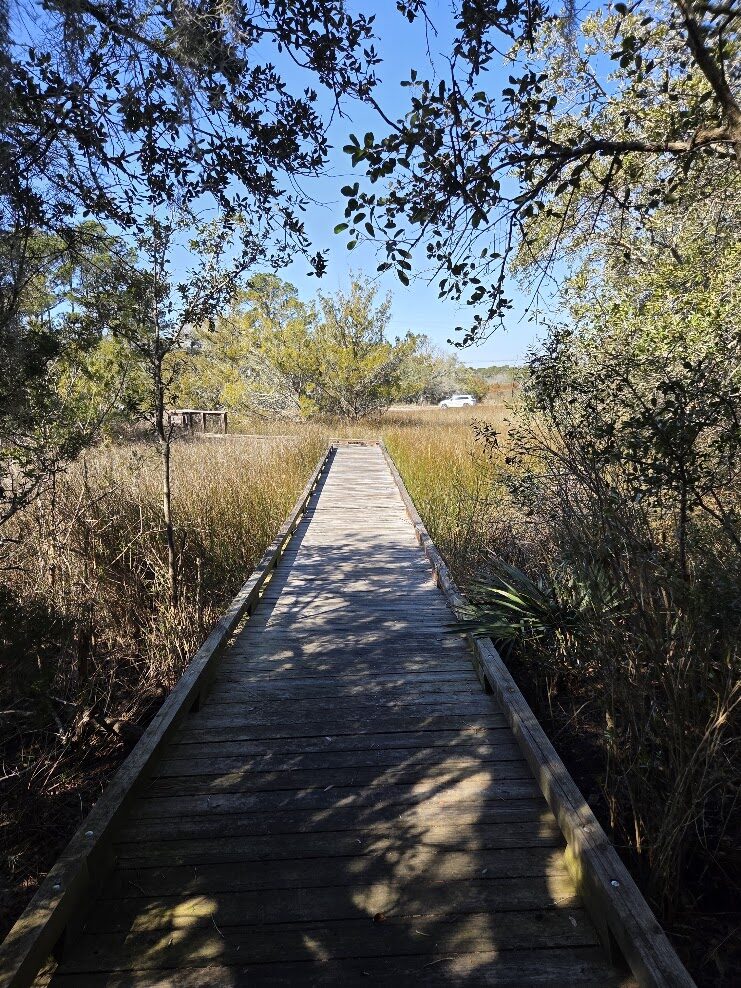
The loop passes the brick outlines of the enslaved quarters and goes out to the marsh boardwalk. Along the way, placards cover Pinckney, slavery and Lowcountry rice growing, and there’s a model rice trunk, the gate planters used to flood and drain the fields. It’s the one thing you can do in any season.
Tour the 1828 House Museum (Seasonal)
When it’s open, the house has exhibits, archaeology finds, a small gift shop, and three films: Forgotten Founder (17 minutes), Founding Brothers: Sides of Slavery (11 minutes) and The Birth of the Constitution (24 minutes). Rangers can also lead short guided walks on request.
Rock on the Porch and See the Oak Grove
The porch has rocking chairs, and the grounds have huge live oaks, magnolias and, in late winter, blooming camellias. The marker in the oak grove is a cenotaph, a memorial to someone buried elsewhere.
Picnic and Junior Ranger
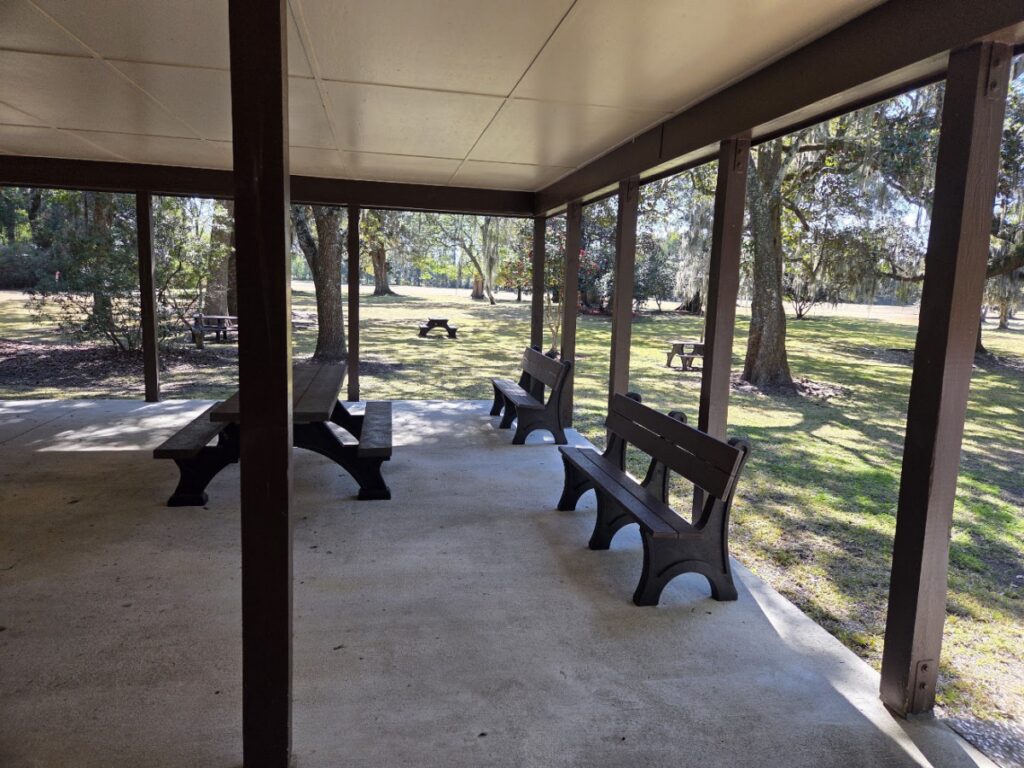
There’s a pavilion with tables and benches next to the parking lot, and kids can earn a Junior Ranger badge.
Best Hikes
The best hike is the Charles Pinckney House Nature Trail, which is around a half mile loop. It is pretty tame as far as hikes go, but it makes for a relaxing stroll in the woods to see the old plantation road, enslaved quarters site, and oak grove.
Key Areas in Charles Pinckney National Historic Site
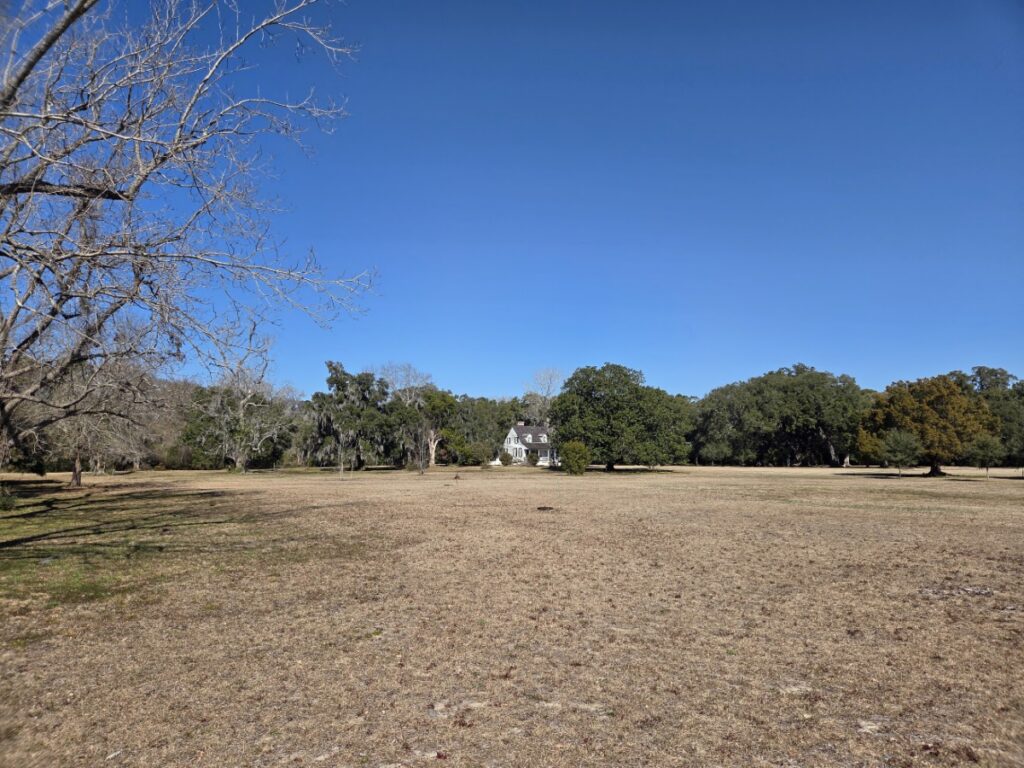
- 1828 house: Visitor center, museum, films and gift shop (seasonal). The porch is open year-round.
- Oak grove: Live oaks and the Pinckney cenotaph.
- Plantation road: Part of the old route to Charleston that Washington traveled in 1791.
- Enslaved quarters site: Brick outlines of three excavated buildings.
- Marsh boardwalk: Rice cultivation exhibits at the edge of the tidal wetlands.
- Pavilion and restrooms: By the parking lot, with a water filling station.
Our Experience at Charles Pinckney National Historic Site
Second try. My wife and I were in the Lowcountry in February for a friend’s wedding in Savannah, and we arrived knowing the main house and visitor center would be closed for the season. The last time we were in Charleston, we went on a Monday, and this site is closed on Mondays and Tuesdays. We wanted to at least see the grounds and exhibits, so we came anyway, this time on a Friday.
How Snee Farm was saved. We arrived at the near-empty parking lot in the early afternoon, stopped at the bathrooms (which were clean), and started on the Charles Pinckney House Nature Trail, which circles the grounds and house. We learned that this site protects the remaining 28 acres of Pinckney’s 715-acre plantation. The surrounding neighborhoods are named after Snee Farm because they really were part of it; most of the plantation was sold for development in the 1960s. The last 28 acres were almost lost too. A developer bought them in 1986 and planned about 40 homesites. A grassroots group, the Friends of Historic Snee Farm, stepped in, negotiated a $2 million price and raised the money to buy the property. They then donated it to the National Park Service, so that we all can visit and learn about and from the history.
What surprised me. We read at the site that Pinckney made major contributions to the Constitution. The ones that surprised me were separation of powers, that the President shall be Commander in Chief of the military, that no state shall coin its own money or make its own treaty, and that there should be a citizens’ bill of rights. We saw many huge oak trees, a nice pavilion, and many placards about Pinckney’s life, what it was like to be enslaved in South Carolina, and the crops and industry of early South Carolina.
Camellias and the porch. We were dazzled by many varieties of huge, blooming camellias, and we sat on the front porch of the house. I should note that this is not the house Pinckney would have lived in. The original house no longer stands, and the current one was built around 1828 by a later owner. We still enjoyed rocking in the chairs and thinking about what life was like in the Revolutionary era.
The trail. The hike was short, less than a mile, on a rubberized mulch path that was soft and supportive for most of the way. We were very surprised by the three distinct types of terrain on this trail: woods, grass and Lowcountry marsh. A boardwalk took us into the Lowcountry, where we learned about rice production in diked rice fields. We learned a lot about how Lowcountry plantations grew rice, indigo, corn and later cotton, all through the labor of the enslaved, and we saw the site of the enslaved living quarters along the trail.
On to James Island. From here, we drove to Fort Moultrie to get our stamp (stamps are located here for Charles Pinckney on Mondays and Tuesday), then had lunch at the Obstinate Daughter and visited May Forest State Park on James Island before heading down to Savannah.
Don’t Make Our Mistake
Check the day of the week before you drive out. On our first Charleston trip, we didn’t realize the site is closed every Monday and Tuesday, and we missed it entirely.
What We Would Do Differently
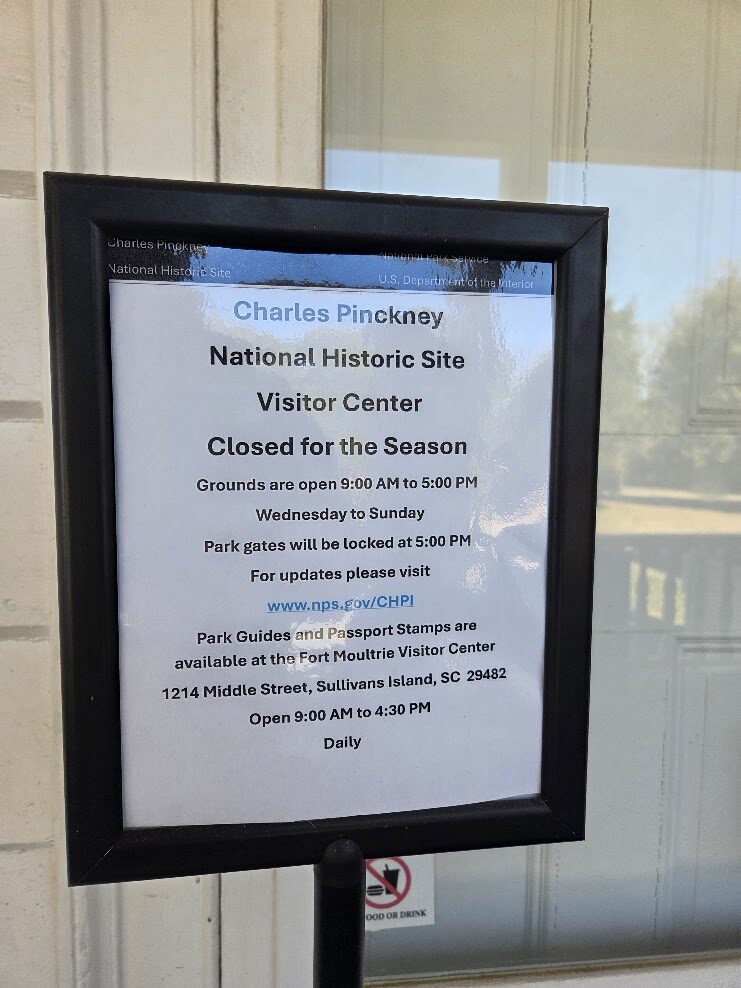
When we return to Charles Pinckney NHS, we would make sure to come during the core season. In 2025, the house was only open Friday through Sunday, 9 a.m. to 4:30 p.m., from May through September. That was restrictive, and I wished the park, and especially the visitor center, was open more so people could visit. For 2026, the park expanded to Wednesday through Sunday, which is a real improvement, though the house still closes from October through April. When the visitor center is closed, you have to go to Fort Moultrie to get the stamp. I would recommend doing that anyway, because the fort is cool and there is good food around it.
How To Visit in 1 Hour
- Park, use the restrooms, and head to the house if it’s open: watch Forgotten Founder and see the exhibits (25 minutes).
- Walk the nature trail to the enslaved quarters site and the marsh boardwalk (25–30 minutes).
- Finish on the porch rockers and in the oak grove.
If the house is closed, plan about 45 minutes.
If You Only Do One Thing
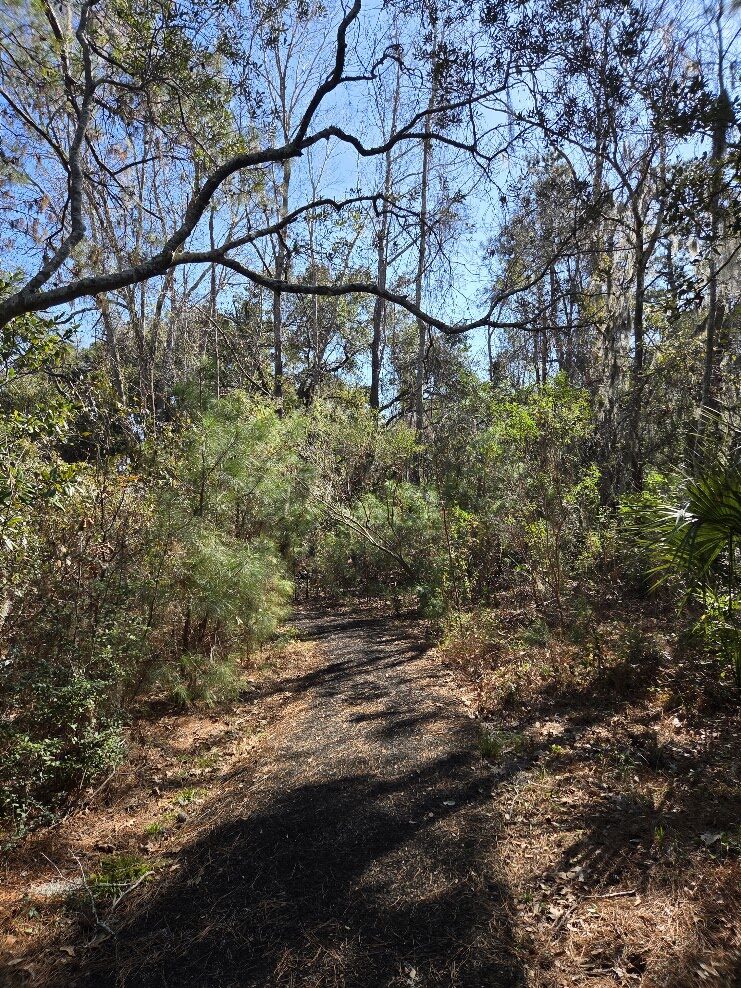
Walk the nature trail. It covers the plantation, the enslaved community and rice agriculture in 30 minutes, and it’s open even when the house isn’t.
Full-Day Itinerary
You don’t need a full day here. To make a day of it, start at Charles Pinckney NHS at 9 a.m. Then drive about 9 miles (20 minutes) to Fort Moultrie on Sullivan’s Island, have lunch on the island, and take an afternoon ferry to Fort Sumter or walk the beach. You don’t need more than one day for this site.
Where to Eat Near Charles Pinckney National Historic Site

While there is food near this NPS site in Mount Pleasant, I would just lean into the Charleston food scene. If you visit outside the core season like we did, you have to go to Fort Moultrie for the stamp anyway, and Sullivan’s Island is packed with excellent restaurants. Our personal favorite is The Obstinate Daughter (2063 Middle Street). Its name is a throwback to the Revolutionary War: after Colonel William Moultrie’s men turned back the British fleet at Sullivan’s Island in 1776, a London paper called the island “Miss Carolina Sulivan, one of the obstinate daughters of America.” You can’t go wrong with the menu. I got the Moultrie pizza. They take reservations up to two weeks out.
Where to Stay Near Charles Pinckney National Historic Site
Stay anywhere in Charleston that’s close to the other sights you plan to visit. There’s no reason to stay especially close to this NPS site, since the others in the area are closer to more options for food and sightseeing.
Tips For Visiting Charles Pinckney National Historic Site
- Keep an open mind. Pinckney played an important role in designing our country’s government, but he was not a saint. He enslaved people, and I think this NPS site does a decent job of honoring them too, with exhibits showing where they lived and what their lives were like.
- Visit in the core season if you can, when the house is open. I still believe this park is worth a visit outside the core season.
- It’s free, but closed Monday and Tuesday.
- You can see it in an hour. It doesn’t need to be an all-day event.
- Go in late winter for the camellias. They were in full bloom during our February visit
- Off-season passport stamp: we got ours at Fort Moultrie on Sullivan’s Island. Call 843-577-0242 to confirm.
- Bring bug spray for the marsh boardwalk.
- Dogs are welcome on the grounds on a 6-foot leash, but not inside the house.
When to Visit Charles Pinckney National Historic Site
Charles Pinckney National Historic Site is open from 9 a.m. to 5 p.m., Wednesday through Sunday, year-round, except Thanksgiving, Christmas and New Year’s Day. The historic house is open 9 a.m. to 4:30 p.m., Wednesday through Sunday, from May 1 to September 27, 2026.
We recommend visiting in late spring or early fall, during the core season, so the house is open and the weather is milder than in midsummer. Late winter is lovely for the camellias, if you don’t mind skipping the museum.
Always check the park website or call 843-577-0242 for the most up-to-date information.
What To Bring to Charles Pinckney National Historic Site
Your NPS passport book, bug spray, sunscreen, a refillable water bottle (there’s a filling station on site), and a picnic lunch if you want to use the pavilion.
Fees & Reservations
Charles Pinckney NHS is free, with no reservations needed. If you continue to Fort Moultrie, it costs $10 per adult (16 and older), card only, and an America the Beautiful pass covers it. Fort Sumter has no NPS fee, but you need a ferry ticket from Fort Sumter Tours.
Frequently Asked Questions
Is Charles Pinckney National Historic Site free?
Yes. Entry, the films and the exhibits are all free.
How long does it take to visit Charles Pinckney National Historic Site?
Most visitors can explore the grounds and nature trail in about 45–60 minutes. Allow additional time for the house museum, exhibits, and films when they’re available.
Is it worth visiting when the visitor center is closed?
Yes. We visited in the off-season, and the trail, outdoor exhibits, porch and grounds still made for a good hour.
Is this Charles Pinckney’s actual house?
No. It was built around 1828 by a later owner, after Pinckney sold Snee Farm in 1817. No buildings from his time survive.
Is Charles Pinckney buried here?
No. The marker in the oak grove is a cenotaph. He’s buried at St. Philip’s Church in downtown Charleston.
What’s the difference between Charles Pinckney and Charles Cotesworth Pinckney?
They were cousins, and both signed the Constitution for South Carolina. This site is about Charles Pinckney, the younger of the two, who presented the Pinckney Plan and later served four terms as governor.
Is it near Boone Hall Plantation?
Yes. Boone Hall is a few minutes away on the same road, Long Point Road. It’s a private, paid attraction; Charles Pinckney NHS is a free NPS site.
Conclusion
Charles Pinckney NHS does a good job telling the life and contributions of one of our founding fathers. It preserves the last part of Snee Farm, with archaeological remains of the plantation and the outlines of the enslaved quarters. The site presents Pinckney’s political legacy alongside the lives of the people he enslaved. It’s still worth a visit on your next trip to Charleston to learn about the history of our nation.
Other Sights Near Charles Pinckney National Historic Site
- May Forest State Park: A free state park with harbor views on James Island, about 35 minutes away. We went right after Pinckney.
- Charleston: A historic coastal city with cool architecture and restaurants, about 10 miles away.
- Fort Sumter: The fort that protected Charleston Harbor, where the first shots of the Civil War were fired in 1861. You can take a boat to the island to tour the fort.
- Fort Moultrie: A fort that guarded Charleston Harbor for 171 years, from the American Revolution through World War II. It’s about 9 miles away.
- Boone Hall Plantation: A few minutes down Long Point Road, known for its avenue of oaks.
- Congaree National Park: About two hours inland, if you’re road tripping South Carolina’s NPS sites.


Leave a Reply