
Abraham Lincoln Birthplace National Historical Park preserves the two Kentucky farms where Abraham Lincoln spent the first seven years of his life. Located near Hodgenville, Kentucky, the park includes Lincoln’s birthplace at Sinking Spring Farm and his boyhood home at Knob Creek.
We visited this NPS site in May 2026 and saw both the Birthplace Unit and the Knob Creek unit. This guide will share how to see both in a single half-day visit.
Is Abraham Lincoln Birthplace National Historic Park Worth Visiting?
Yes, and it’s free! The more compelling reason is that this site brings Abraham Lincoln – a man larger than life – back down to Earth. You can stand where he stood, and learn how he lived in the earliest parts of his life.
Standing in the memorial looking at a symbolic log cabin, then driving through 10 miles of Kentucky farmland to stand where young Lincoln wandered the banks of Knob Creek puts the scale of an extraordinary life into more human terms. History nerds, families, and anybody passing through central Kentucky will enjoy this peaceful and rewarding stop.

Quick Facts
Location: Hodgenville, Kentucky
Birthplace Unit Address: 2995 Lincoln Farm Road, Hodgenville, KY 42748
Knob Creek Unit Address: 7120 Bardstown Road (US 31E), Hodgenville, KY 42748
Time Needed: Half Day for both units
Best For: History lovers, families, road trippers, Lincoln enthusiasts
Don’t Miss: The Memorial Building with its 56 steps, Sinking Spring, and Knob Creek
Best Hike: Overlook Trail
Best Time to Visit: Spring and Fall
Admission: Free
Official Website: nps.gov/abli
Overview Of Abraham Lincoln Birthplace National Historic Park
This NPS site preserves two separate farms in LaRue County, Kentucky, where Lincoln spent the first 7 years of his life.
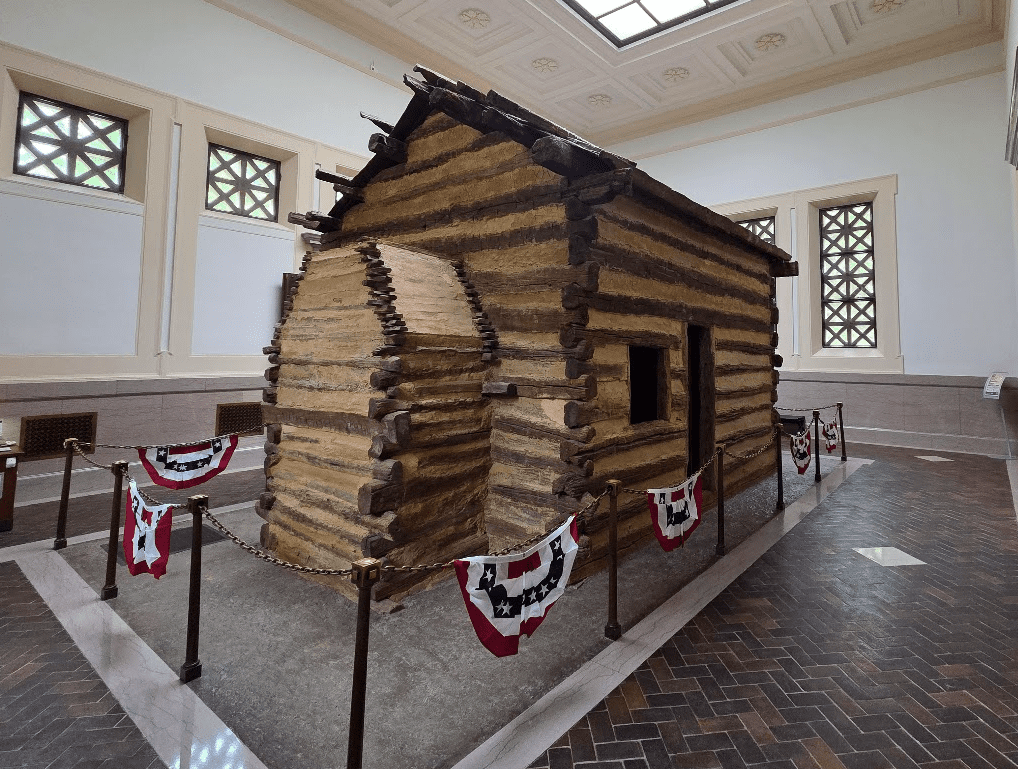
The Birthplace Unit contains Sinking Spring Farm, where Thomas and Nancy Lincoln settled in late 1808 and where Abraham Lincoln was born in 1809. This is the main unit, with the park’s primary Visitor Center. Exhibits include a 15-minute film, the original Lincoln Family Bible, and a neoclassical memorial building from around 1910. This was the first Lincoln Memorial, built before the one in Washington D.C. Inside it sits a symbolic log cabin.

The Knob Creek Unit is 10 miles away and marks the farm where the Lincolns moved when Abe was 2 years old until age 7. This is where he had his first memories, and the reconstructed cabin sits along a Creekside landscape creating a quitter, more contemplative stop.
Here’s a quick comparison of both units:
| Feature | Birthplace Unit | Knob Creek Unit |
| Visitor Center | Yes | Seasonal |
| Lincoln Connection | Birthplace | Childhood Home |
| Main Attraction | Memorial Building | Creek & Cabin |
| Hiking | Short Trails | Overlook Trail |
| Time Needed | 1.5-2 Hours | 1.5 Hours |
Abraham Lincoln’s Early Life in Kentucky
Abraham Lincoln was born on February 12, 1809, at Sinking Spring Farm in what is now Abraham Lincoln Birthplace National Historical Park. His parents, Thomas and Nancy Lincoln, were frontier farmers who struggled with land disputes, difficult farming conditions, and the realities of life on the Kentucky frontier. When Lincoln was about two years old, the family moved to a nearby farm at Knob Creek, where he spent the years that would form his earliest memories.

Lincoln lived in Kentucky until age seven, when his family relocated to Indiana (See: Lincoln Boyhood National Memorial) in search of more secure land ownership opportunities. Although he spent only a small portion of his life here, Lincoln often reflected on his humble beginnings and frontier upbringing. The Birthplace Unit and Knob Creek Unit preserve the landscapes that shaped the future president’s earliest experiences, providing a glimpse into the environment that helped form one of America’s most influential leaders.
Best Things to Do at Abraham Lincoln Birthplace National Historic Park
- Watch the film at the Birthplace Visitor Center – a 15-minute film provides a useful orientation covering Lincoln’s parents, the families settlement, the factors that led to their relocation, and Abe’s reflections on his childhood.
- Explore the Visitor Center exhibits – These are compact but well-executed. My favorite is the Lincoln Family Bible, but the one-room log cabin mockup offers a great perspective.
- Climb the 56 steps to the Memorial Building – These represent the 56 years of Lincoln’s life, and the 16 windows represent his position as the 16th president. Inside it sits the symbolic log cabin.
- Visit Sinking Spring – This natural spring makes you want to jump in, but unfortunately it is off limits.
- Hike the Abraham Lincoln Birthplace Trail, Big Sink Trail at the Birthplace Unit – Nice to stretch your legs after the ride out.
- Drive to the Knob Creek Unit – A nice 10-mile drive through Kentucky farmland. At Knob Creek, you can walk the grounds, see the cabin and creek, as well as the fields of wildflowers.
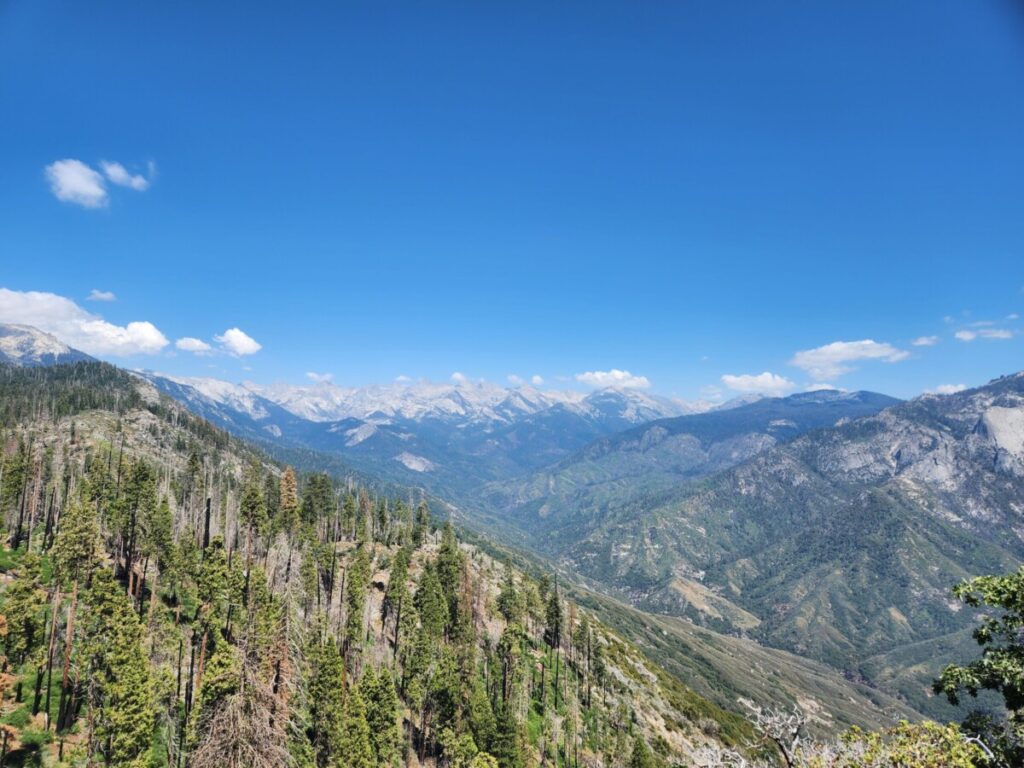
- Hike the Overlook Trail at Knob Creek – For the more adventurous visitors, climb this ridge above the Knob Creek valley for a great view of the surrounding area.

Best Hikes
- Pathway of a President Trail (Birthplace Unit, 0.5 miles, paved, easy) – This accessible boardwalk leads from the Visitor Center to the Memorial Building, setting the tone for the monument.
- Boundary Oak Trail (Birthplace Unit, 0.3 miles, gravel, easy) – This short loop winds through the forest on some steep-ish hills, finishing near Sinking Spring.
- Big Sink Trail (Birthplace Unit, 1.3 miles, easy) – This trail is located near a picnic area and uses a separate parking lot. While pleasant, this trail has less direct historical significance.
- Overlook Trail (Knob Creek Unit, 3.1 miles, moderate) – The Overlook Trail is the best bet to feel a burn, with 364 feet of elevation gain. This is the standout hike of the park, climbing a knob (rounded hill) above the valley for a rewarding panoramic view.
Key Areas In Abraham Lincoln Birthplace National Historic Park
- Birthplace Visitor Center – Your first stop with a free museum, park film, gift shop, and rangers.
- The Memorial Building (First Lincoln Memorial) – This was built from 1909-1911 and is the park’s most iconic structure and most visited spot. It protects the symbolic birth cabin.
- Sinking Spring – The natural spring drops water into a hole, where it disappears into the ground.
- The Boundary Oak Site – This location marked the edge of the Lincoln property and is where the birth cabin was likely located, accessible via the Boundary Oak Trail.
- Knob Creek Farm Grounds – The open valley farmland and creek at the Knob Creek Unit. This is where Lincoln formed his earliest memories and nearly drowned in the creek.
- Reconstructed Boyhood Home Cabin – At the Knob Creek Unit, this cabin represents the type of home that the Lincoln family lived in during their years at this homestead.
- Knob Creek Tavern Visitor Center – A 1933 log building at the Knob Creek Unit, open seasonally as a visitor center.

Our Experience At Abraham Lincoln Birthplace National Historic Park
After our final tour at Mammoth Cave National Park, we stopped to visit this NPS site on our way back to the airport. My wife and I figured that while we were in Central Kentucky, we might as well hit every site we could.
Birthplace Unit
Starting with the park film at the Visitor Center, we noticed some similarities with the film and exhibits from Lincoln Boyhood National Memorial in Indiana, which we visited a few days prior. The park film was a great complement and explained his earlier life.
The Family Bible on display was a highlight, and this well-worn artifact showcased where Lincoln derived his character. The other exhibits were nice, and my wife enjoyed seeing the mock-up of a log cabin interior, complete with a cougar-skin rug.

We started with the Boundary Oak Trail and the boardwalk looked as if it had not been pressure-washed ever and was very slippery. Luckily, we did not fall, but it would have been safer with no boardwalk.
Arriving at the marble Memorial Building took us off guard, as the Kentucky countryside opened up to a neoclassical building from the very early 1900s. We enjoyed seeing the cabin inside, which exhibited Lincoln’s humble beginnings from a much simpler life than we live today.

After the memorial, we did the Boundary Oak Trail, which had a surprisingly steep hill!
We finished near the Sinking Spring, which killed us not to swim into. My wife and I have a goal of visiting all major Florida Springs, so it would have been great to try swimming in a Kentucky one.
Knob Creek Unit
After a 10 mile drive through pretty Kentucky farmland, we arrived at the Knob Creek Unit. There were very few visitors, which made sense as the Visitor Center was closed.
We explored the grounds and saw a large patch of wildflowers near the road, as well as a reconstructed cabin. This was the 3rd Lincoln cabin we have seen, but it was in the prettiest setting.
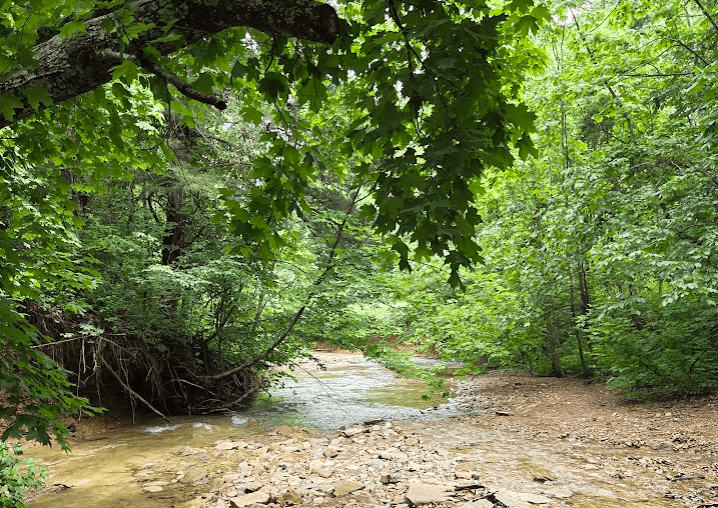
Since the Tavern Visitor Center was closed on the day we visited, we skipped it and hiked the Overlook Trail. This trail starts along the creek, and the water was very clean. We passed a second patch of wildflowers on our hike, complete with dozens of butterflies.

Don’t Make Our Mistake
We visited on a Monday, and the Tavern Visitor Center at the Knob Creek Unit was closed. This was a bummer; make sure you time your visit in accordance with the seasonal openings.
What We Would Do Differently
- Visit when the Tavern Visitor Center is open
- Pack a picnic lunch and eat it at the summit of the Overlook Trail
How to Visit in a Half Day
3-4 hours is ideal for experiencing both units at this park.
- 9am: Start at the Birthplace Unit Visitor Center. Get your stamp, watch the park film, and view the exhibits.
- 9:45am: Walk the Boundary Oak Trail, see Sinking Spring and then the Memorial. Take the Pathway of a President Trail back to the Visitor Center
- 10:45am: Drive to the Knob Creek Unit.
- 11am: Visit the Tavern Visitor Center.
- 11:30am: Hike the Overlook Trail at Knob Creek.
- 1pm: Conclude your visit and head out for a late lunch at Lincoln Square.

If You Only Do One Thing
Climb the 56 steps to the Memorial Building at the Birthplace Unit. The film, exhibits, and Sinking Spring are worth adding, but the First Lincoln Memorial is what you’ll remember.
Where To Eat Near Abraham Lincoln Birthplace National Historic Park
There are no restaurants inside the park, but Hodgenville has several good options just 3 miles from the Birthplace Unit:
- Laha’s Red Castle – A beloved burger counter in the historic square, recommended to us by the park rangers themselves. This has been the go-to spot for decades.
- The 16th – Kentucky comfort food, and the most distinctive option.
- Kentucky’s Finest Family Style Restaurant — Locally praised for solid Southern home cooking, a salad bar (rare in Hodgenville), and affordable prices.
Where To Stay Near Abraham Lincoln Birthplace National Historic Park
Your best option for staying near the park is the Lincoln Lodge, a small family-owned motel located right next to the site. You can stay in cabins, creating an immersive experience.
The Grand Victorian Inn would be our pick to stay in Elizabethtown 20 minutes away.
Tips For Visiting Abraham Lincoln Birthplace National Historic Park
- Watch the park film first. It’s 15 minutes and provides important context.
- Do the Boundary Oak Trail before the Memorial Building, so that it acts as a finale.
- Check the Knob Creek Tavern schedule before your visit. The Visitor Center at the Knob Creek Unit is seasonal, though the grounds are accessible year-round.
- Wear hiking shoes. Some of the trails are paved or on gravel, but the Overlook Trail is not.
- Picnic areas are available, packing a lunch is a great option here.
- Dogs are welcome on trails but are not permitted inside the buildings.
- Parking and admission are free.
- Cell service can be limited, download the AllTrails or map ahead of time.
- The park is in the Eastern Time Zone, which is confusing if you’re coming from Mammoth Cave National Park.

When To Visit Abraham Lincoln Birthplace National Historic Park
The Birthplace Unit (Visitor Center, Memorial Building, trails, Sinking Spring) is open year-round except Thanksgiving Day, Christmas Day, and New Year’s Day.
The Knob Creek Unit grounds are open dawn to dusk every day. The Knob Creek Tavern Visitor Center is open seasonally: weekends (Saturday and Sunday) in April, May, September, and October; and Thursday through Monday (five days a week) from Memorial Day through Labor Day. It is closed November through March.
We recommend visiting in April-May or September-October. The park is beautiful with the bright green spring leaves as well as in the fall when the colors come. Temperatures are comfortable and the crowds are light. Summer has more programs but also more heat, humidity, and crowds.
Winter is quiet and serene, but the Tavern will be closed.
Always check the Abraham Lincoln Birthplace National Historic Park website at nps.gov/abli or call for the most up-to-date information.
What To Bring To Abraham Lincoln Birthplace National Historic Park
- Comfortable hiking shoes
- Water bottle
- Bug spray, particularly for summer Knob Creek Unit visits
- Picnic lunch if you plan to eat at the park
- Camera
- Offline maps downloaded before leaving cell coverage
Fees & Reservations
Admission is completely free. No entry fee is assessed, and there are no reservations required for general access to either unit.

Ranger-led programs and tours are offered seasonally and are also free. Check the NPS website for up-to-date information about ranger-led programs and tours.
Frequently Asked Questions
Is Abraham Lincoln Birthplace National Historical Park free?
Yes. Admission to both the Birthplace Unit and Knob Creek Unit is free.
Which unit is better?
The Birthplace Unit is the must-see stop because it contains the Visitor Center, Memorial Building, and Sinking Spring. However, Knob Creek provides a more peaceful setting and better hiking.
How far apart are the two units?
The Birthplace Unit and Knob Creek Unit are approximately 10 miles apart by road, about a 20-minute drive. From the Birthplace Unit Visitor Center, take a left onto US 31E North toward Hodgenville, proceed through the town square roundabout, and follow US 31E about 10 miles to the Knob Creek Unit. Navigation apps work fine for this route.
How long does each unit take to visit?
The Birthplace Unit, done well (film, exhibits, Pathway of a President, Memorial Building, Sinking Spring, and Boundary Oak Trail), takes roughly 1.5 to 2 hours. The Knob Creek Unit takes 30 to 60 minutes depending on whether you hike the Overlook Trail. Total for both: a comfortable half day.
Is the symbolic birth cabin Lincoln’s actual birth cabin?
No. The original Lincoln family cabin no longer exists. The cabin inside the Memorial Building is symbolic — a period-appropriate log cabin representing the type of structure in which Lincoln was born. It was long claimed to contain original logs from the Lincoln cabin, but that provenance has not been historically confirmed. The NPS accurately describes it as a “symbolic” cabin.
Is Abraham Lincoln’s actual birth cabin still standing?
No. The cabin inside the Memorial Building is symbolic and represents the type of cabin in which Lincoln was born.
Is the park accessible?
The Birthplace Visitor Center and the Pathway of a President trail to the Memorial Building are accessible (paved, relatively flat, though slippery when we visited). The 56 steps up to the Memorial Building itself are not accessible, but the building’s grounds and the cabin can be viewed from below. The Boundary Oak Trail is gravel with hills and is not fully accessible. The Knob Creek Unit grounds are mostly flat and walkable, but the Tavern Visitor Center and cabin may have threshold steps.

Can I do both units in one day?
Easily. The two units are designed to be visited together on the same trip. Many visitors complete both in a half day of about 3–4 hours.
Are pets allowed?
Leashed pets are welcome on the outdoor trails at both units. They are not permitted inside the Visitor Centers, the Memorial Building, or the Knob Creek Tavern.
When does the Knob Creek Tavern close?
The Tavern Visitor Center is closed November through March, and also closed on Mondays and Tuesdays during its open season. The outdoor grounds remain accessible dawn to dusk year-round.
Conclusion
Abraham Lincoln Birthplace NHP is free, unhurried, and moving. The Memorial Building is grander than you’d think and certainly looks out of place in the Kentucky hills. The Knob Creek Valley is quiet, rural, and beautiful.
Spending a half day at these units climbing the 56 steps, standing at Sinking Spring, and walking the Knob Creek fields provides context to Lincoln’s humble origins in a way no biography can.
Other Sights Near Abraham Lincoln Birthplace National Historic Park
Mammoth Cave National Park (~45 miles southwest) – The world’s longest known cave system, easily combined with an Abraham Lincoln Birthplace visit for a full central Kentucky trip. See our Mammoth Cave guide for details on tours and planning.
The Lincoln Museum, Hodgenville (~3 miles north) — Kentucky’s official tribute to the 16th president, located in downtown Hodgenville’s historic district.
Lincoln Statue & Town Square, Hodgenville — A large bronze statue of a seated Lincoln on the town square, surrounded by local shops. Eat lunch at Laha’s.
The Abbey of Gethsemani (~25 miles northeast) — The oldest operating Trappist monastery in the United States, in the rolling hills near Bardstown. Open for visitor tours and famous for its fruitcake and cheese sold at the gift shop.
Log Still Distillery, Gethsemane (~30 miles northeast) — A local craft distillery with a live music amphitheater called The Amp, open for tours and tastings.
Kentucky Railway Museum, New Haven (~25 miles east) — A working railway museum offering steam train excursion rides through the summer season and special events.
My Old Kentucky Home State Park, Bardstown (~30 miles northeast) — Federal Hill, the antebellum plantation home said to have inspired Stephen Foster’s famous song, with guided tours and summer outdoor musical performances.
Leave a Reply