


Stop guessing what to wear. Every context in your life has a right answer: here’s what it is.
Most men operate across a broader range of contexts than any single style guide covers. You’re in a meeting Tuesday morning and wade fishing by sun-up on Saturday. You have a doctor’s appointment after the gym, church Sunday morning, and dinner reservations on Friday night. Standard advice about looking professional or staying comfortable misses the point.
This guide is built for men who move between worlds: professional, outdoors, athletic, social, and everything in between, who need to dress correctly in all of them without building a different wardrobe for each. The framework is simple: every context has a functional and social standard, and the right outfit meets both.
I’ve spent years balancing office work, distance running, hiking, fishing, hunting, and travel. Over time I realized most men’s style advice focuses on only one of those worlds. This framework is based on building a practical wardrobe that works across all of them while minimizing unnecessary purchases.
How to Use This Guide
The sections below are organized by life context, not clothing type. Find your situation, read the standard, and check what you already own. The goal is a wardrobe that works throughout your whole life without redundancy, waste, or the anxiety of not knowing what to wear.
This guide is written for men who wear more than one uniform. If you spend weekdays in an office, weekends on hiking trails or boats, travel regularly, and still want to look sharp for church, date night, and weddings, this framework is for you. Instead of chasing fashion trends, you’ll build a wardrobe around real life.
This post focuses on what to wear for each context. After reading this post, implement it by following our guide to building your own capsule wardrobe that is adaptable to each context.
Men’s Dress Code Cheat Sheet:
| Context | Shirt | Pants | Shoes | Top Layer |
| Around Town | Solid Tee or Polo | Dark Jeans | Clean sneakers or loafers | Seasonal |
| Business Casual | OCBD | Stretch chinos | Loafers | Navy blazer (optional) |
| Smart Casual | Button-down shirt or polo | Dark jeans | Leather sneakers or loafers | Quarter-zip or blazer |
| Date Night | OCBD or other nice shirt | Dark Chinos | Brown leather shoes | Sport coat or blazer |
| Church | Dress shirt | Chinos or dress trousers | Leather loafers | Sport coat or blazer |
| Airport Travel | Polo | Stretch travel pants | Comfortable for walking | Quarter-zip |
| Hiking | Technical or tee shirt | Two-in-one running shorts | Trail runners | Lightweight rain jacket |
| Fishing | UPF Shirt | Two-in-one running shorts | Boat shoes or sandals | Hat and sunglasses |
| Business Networking | OCBD | Chinos | Leather loafers | Navy blazer |
| Wedding Guest | White dress shirt | Navy Suit | Brown leather shoes | Conservative tie |
Context 1: Exercise and Athletic Training
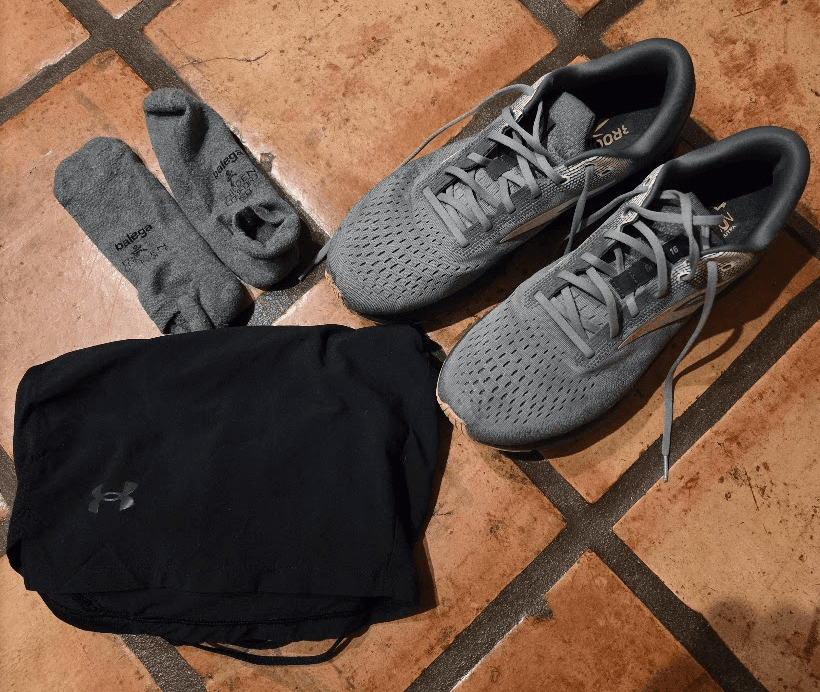
Standard: Fully functional and fit-appropriate.
Exercise is where performance trumps everything else. Functional does not mean whatever’s on the floor. Worn-out gym clothes with faded logos and broken elastic put you in the mindset of somebody who isn’t serious, even at 5am when no one is watching.
What to wear:
- Running: I would recommend two in one running shorts, a light technical tee or t-shirt, and shoes that match your gait and surface. Try to choose reflective elements or bright colors for safety.
- Lifting: Performance shorts, tee or tank, and lifting shoes. I would recommend using last year’s running shorts, which should provide a good range of motion.
- Swimming: Well-fitting board short or technical brief. Honestly, I use the two in one running shorts here to further simplify my wardrobe.
- Cycling: Padded bib shorts for serious riding, otherwise, technical shorts and tee.
Key principle: Fit matters, and clothes that are incorrectly sized can cause chafes. A good pair of two-in-one running shorts can be re-used in most activities.
What to spend: Athletic wear is worth buying well. Spend extra on good shorts and shoes, it will make a difference. Lifting shoes with an elevated heel and hard sole can help you with form and safety on heavy sets.
Context 2: Around Town/Casual Errands
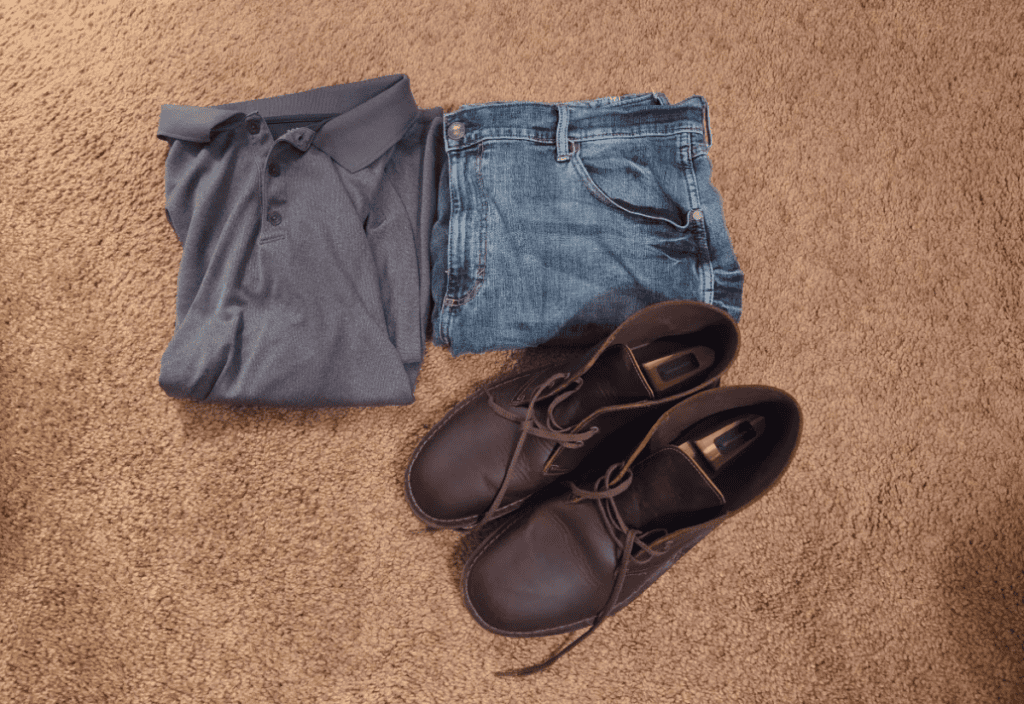
Standard: Clean, intentional, effortless
Around-town dressing is where most men fall short. The benchmark is not “presentable”, it’s “dressed like a man who has it together”. At the hardware store, getting coffee, dropping off the kids at practice, and running to the grocery store all present the opportunity to run into your boss, a client, or a friend or neighbor.
Casual does not mean athletic wear outside the gym, pajamas, or worn-out clothes. It means relaxed clothes that are clean, fit, and chosen.
What to wear:
- Baseline: Jeans, a well-fitted crew-neck tee in a solid or subtle pattern, clean sneakers or casual loafers.
- Slightly elevated: Chinos or casual trousers, polo or OCBD, leather sneakers or loafers.
- Cold weather: Layer with a quarter-zip, bomber jacket, or fleece. Avoid hoodies with logos.
What to avoid:
- Athletic wear as everyday wear unless you’re heading to or from a workout
- Graphic tees
- Distressed jeans
- Flip-flops away from the pool or beach
- Wrinkled or stained clothing
Key Principle: You don’t need to be dressed up to look put-together. Clean, fitted, and intentional beats dressed up but disheveled.
Context 3: Appointments (Medical, Legal, Financial, etc.)
Standard: Smart casual, one step above around-town baseline.
Appointments are normally under-considered. When you’re seeing a doctor, meeting with a banker, getting your car serviced, or meeting with a lawyer, you are being assessed. People are more courteous, explain things more thoroughly, and treat you with more respect when you’re dressed like someone who knows what he’s doing.
This doesn’t require a suit, it requires looking like you try.
What to wear:
- Medical appointments: Chinos or dark jeans, OCBD or polo, clean leather shoes or neat sneakers. Comfortable enough to change, but polished enough to be taken seriously.
- Legal or financial meetings: Dress trousers or clean chinos, dress shirt or blazer over polo. Business casual is usually the right answer.
- Service appointments: Comfortable is fine, like chinos and a tee, but avoid athletic wear. Looking like an adult matters here.
- Dentist/Barber/Quick Appointments: Your around-town standard is fine here, just be clean.
Key Principle: Don’t dress up for appointments for the appointment’s sake, do it to maintain the habit of being someone who shows up prepared and is taken seriously.
Context 4: Work (In-Office)
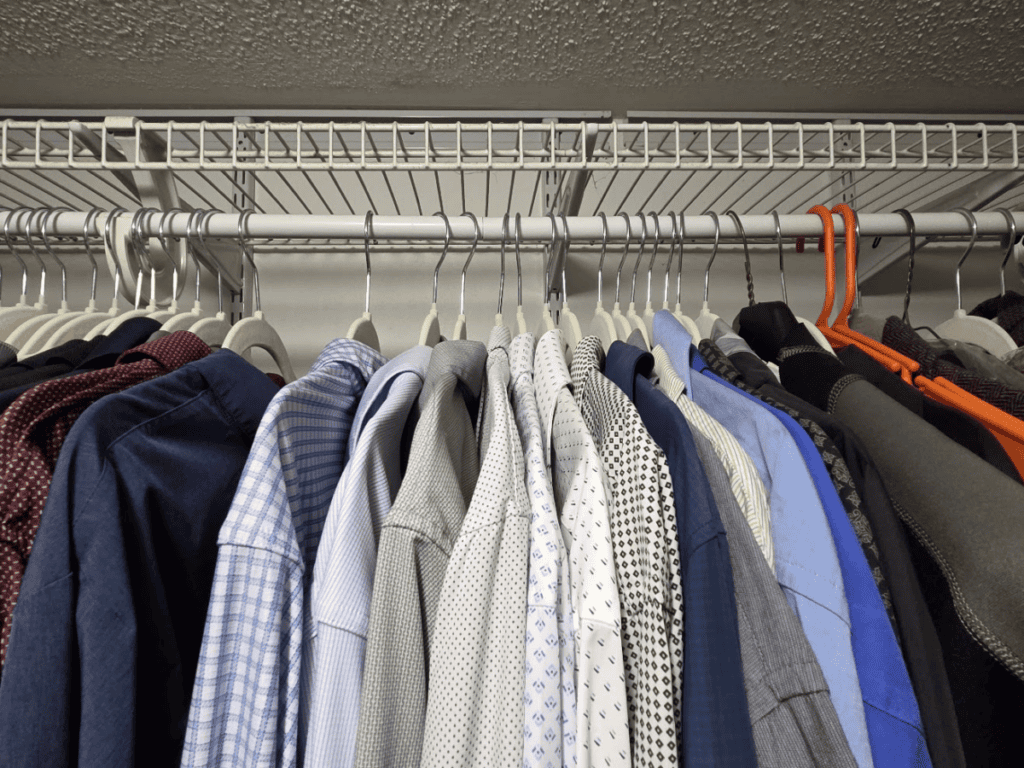
Standard: One step above what’s required.
You probably already have this section covered but remember that as an ambitious man, you should dress for the role above yours, not the role you’re in.
A manager who dresses like a director gets treated differently in hallway conversations, meetings, and leadership reviews. The clothes you wear to work are a professional signal, and they work even when no one is consciously noticing.
What to wear:
- Business formal (law, finance, executives): Full suit and tie, or suit with a pocket square. Conservative colors and quality, polished shoes in brown or black leather.
- Business professional (corporate, consulting, management): Suit or blazer with dress trousers. Dress shirt, with tie usually optional. Leather shoes.
- Business casual (most white-collar environments): Chinos or dress trousers, a blazer or dress shirt, leather shoes or clean leather sneakers.
- Smart casual (tech, creative, start-up): Dark jeans, a neat tee or polo, blazer for big meetings, clean sneakers.
Key Principle: Dress code floors are the minimum. Consistently dressing better is free credibility.
Context 5: Work From Home (WFH)
Standard: One degree below your in-office standard.
For a full guide, review our companion post on the professional man’s work from home wardrobe. The key here is to unlock enclothed cognition.
What to wear:
- If you wear a suit to the office: Dress trousers and an open-collar dress shirt at home.
- If you wear a blazer and dress shirt to the office: Chinos and OCBD or polo.
- If you wear business casual to the office: Dark jeans and a neat tee or casual shirt.
Make sure to keep a blazer nearby for spontaneous video calls, and avoid taking calls in athletic wear unless you work somewhere where that’s really the culture.
Key Principle: The goal is to stay in a professional mode, not to impress your neighbors and family members. Clothes that signal “I am working” improve focus and discipline throughout the day.
Context 6: Business Social (Client Dinners, Work Events, Networking)
Standard: Your best business casual, but dependent on industry.
Business social events are an awkward middle ground. They are too important for casual, but not usually formal enough for a full suit. A client dinner, conference, or industry event requires that you look like someone that others want to do business with.
What to wear:
- Client dinner at upscale restaurant: Blazer and dress trousers or chinos and tucked dress shirt with leather shoes. A tie is rarely needed unless it is a white-tablecloth formal or conservative client.
- Networking event or industry conference: Smart blazer over a dress shirt, dark chinos or trousers, leather shoes or clean minimal leather sneakers.
- Party or office social: Slightly relaxed from office standard. If you wear suits to work, skip the tie. If you wear business casual, try chinos and a polo.
- Cocktail attire (explicitly labeled): Dark suit, white or light blue dress shirt, thoughtful tie, leather shoes.
Key Principle: Business social events are higher stakes than they feel. Deals, relationships, and opportunities come from these moments, so dress like you know that and signal competence.
Context 7: Casual Social (Dinners Out, Bars, Weekend Plans)
Standard: Smart casual, slightly refined from your standard around-town look.
Going to dinner with friends, meeting people for drinks, and weekend social plans with couples don’t require a blazer, but they should warrant more than your grocery store outfit.
What to wear:
- Casual dinner out: Clean and considered: dark jeans, quality tee or simple OCBD, leather sneakers or loafers.
- Nice casual dinner or date: Dark jeans or chinos, button-down or nice sweater, leather shoes or sneakers. Add a blazer if you want to be sharp.
- Bars and weekend social: Whatever represents your relaxed best: jeans and a solid tee is the floor, jeans and a blazer is a reasonable ceiling.
- Backyard/outdoor social: Casual shorts or chinos, a polo or nice tee shirt, clean casual shoes. Wear relaxed clothing.
Key Principle: You are not trying to impress strangers, you are trying to look like yourself as your best. The goal is to communicate self-respect and consideration for the people you’re meeting.
Context 8: Church
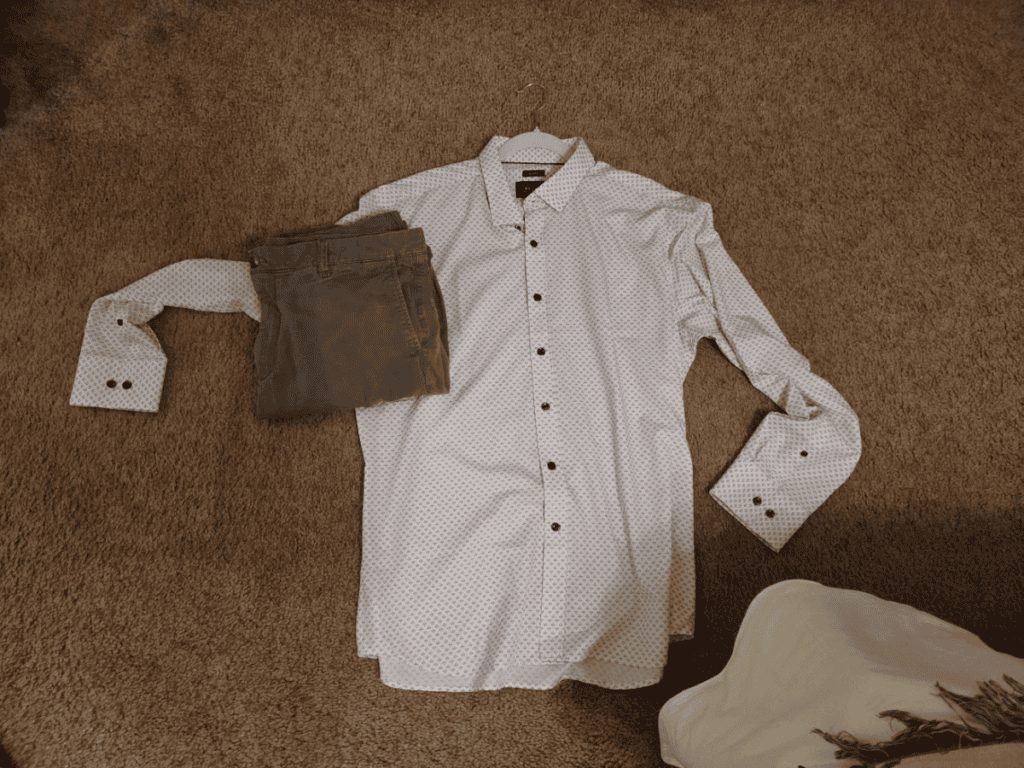
Standard: Respectful, polished, aware.
Church dressing has more variation than any other context on this list, because the right answer depends on the congregation. A traditional Catholic church, a Southern Baptist small-town church, and a nondenominational megachurch have different norms. Dressing correctly means reading your specific community.
Come as you are, but make an effort if you’re able. Business casual is a safe and respectful baseline if you are new. If you are new, don’t worry too much or buy new clothes, focus more on attending and learning.
What to wear:
- Traditional churches (Catholic, Lutheran, Presbyterian): Business casual is usually recommended with dress trousers or clean dark chinos, a tucked dress shirt, and leather shoes. A blazer or sports coat and a tie are often welcomed.
- Mainline Protestant/Community Churches: Smart casual, dark jeans and a neat collared shirt or crewneck sweater in the winter. Dark chinos or dress tousers, and a collared shirt like an OCBD, polo, or dress shirt, and clean leather sneakers or loafers.
- Contemporary/nondenominational: Smart casual with dark jeans and a neat collared shirt or quality crewneck sweater. Clean leather sneakers or loafers. Avoid anything too casual or branded.
- Southern Baptist/evangelical: Traditionally, this is suit and tie territory, though it varies by church age and community. When in doubt, dress up, you will never be wrong for being too polished at church.
On special services like Easter and Christmas, dress one full step above your normal Sunday standard. For weddings and funerals, follow the event dress code rather than the congregation’s standard.
Key Principle: Church is a context where dressing up is expected and appreciated. When uncertain, err formally. You will not be wrong for being too respectful.
Context 9: Date Night
Standard: One full step above casual social baseline, visibly intentional.
Date night is a context usually grouped with casual dinner, which under-serves it. This is a deliberate social occasion with someone whose opinion of you matters, so there is real upside.
The goal is not to look like someone you’re not, it’s to look like the best version of yourself in a way that clearly signals intentionality. If you’ve been following our date jar advice, this will help set the tone for your selection.
What to wear:
- Upscale restaurant/special occasion: Dark dress trousers or well-fitted chinos, tucked dress shirt, and leather shoes. Blazers and sport coats read as effort without being stuffy.
- Nicer casual restaurant/wine bar: Dark, well-fitted jeans, a neat button-down or sweater, leather shoes or loafers. Blazer is optional but good for elevated spots.
- Casual dinner or activity date: Your best around-town standard: dark jeans, a quality tee or OCBD, and clean leather sneakers. The key is that everything is in good condition and fits well.
- Outdoor or active date: Functional and appropriate to the activity, but in your cleanest and best-fitting version of the gear. A fishing date is still a date.
Details that matter more than your outfit:
- Fit is the most important aspect.
- Shoes are the most-noticed detail and should be clean, appropriate, and in good repair.
- A fresh haircut or well-maintained beard elevates any outfit.
- Cologne is appropriate but should be restrained
What not to do:
- Don’t dress how you do for errands
- Don’t overdress in a costumey way, it should feel natural
- Don’t wear anything with visible wear, stains, or poor fit, regardless of how casual the plan is
Key Principle: How you present yourself for date night should signal that the evening, and the person you’re spending time with, are worth preparing for.
Context 10: Travel (Airports, Road Trips, and Exploring)
Standard: Comfortable, versatile, and adaptable.
Travel is one of the easiest places to accidentally look sloppy. You may be sitting for hours or going directly from a flight to dinner or a meeting. The goal is to dress comfortably without looking like you slept in your clothes.
What to wear:
- Flying: Stretch chinos or dark travel pants, polo, lightweight quarter-zip, comfortable shoes for walking.
- Road trips: Jeans or stretch chinos, tee shirt or polo, and comfortable shoes. Keep a light jacket accessible.
- City sightseeing: Chinos or technical travel pants, breathable shirt, walking shoes, light day pack.
- Adventure travel: Quick-dry clothing, trail runners, packable rain jacket, appropriate layers.
Key Principle: Dress so you’re ready for unexpected upgrades, delays, nice restaurants, or spontaneous adventures without needing to change.
Context 11: Weddings
Standard: Respectful and according to the dress code.
A wedding isn’t the place to express your individuality. It’s about respecting the couple and the occasion. Err on the side of overdressing.
What to wear:
- Black Tie: Black tuxedo, white formal shirt, black bow tie, polished black oxfords.
- Formal/Black Tie Optional: Dark suit, white dress shirt, conservative tie, leather oxfords or derbies.
- Cocktail Attire: Navy or charcoal suit, open collar or tie.
- Beach Wedding: Lightweight linen or cotton suit, loafers, lighter colors.
- Casual Outdoor Wedding: Chinos, sports coat, dress shirt, loafers, ropers in the south.
Key Principle: Follow the invitation, not your personal preference. Never try to outdress the groom.
Context 12: Job Interviews
Standard: One level above the company’s dress code.
Even if the office wears jeans, the interview is not the time to blend in. Demonstrate professionalism and sound judgement.
What to wear:
- Corporate positions: Navy or charcoal suit, white or light blue dress shirt, conservative tie.
- Business casual companies: Blazer, chinos or dress trousers, OCBD, leather shoes.
- Creative or tech companies: Smart casual with a blazer, dark jeans or chinos, collared shirt, clean leather sneakers.
Key Principle: Your interview outfit should never be the topic of conversation. Look polished and competent.
Context 13: Funerals and Memorial Services
Standard: Quiet, respectful, understated.
A funeral is one of the occasions where drawing attention to yourself is always the wrong move. Simplicity and respect should guide your decisions.
What to wear:
- Dark navy, charcoal, or black suit
- White or light blue dress shirt
- Conservative tie
- Black or dark brown leather shoes
- Minimal accessories
Key Principle: Dress to honor the person being remembered, not to express your personal style.
Context 14: Beach and Pool Days
Standard: Functional, relaxed, ready for the sun.
The beach is a good place for casual clothing, well-fitted swimwear, and sun protection.
What to wear:
- Well-fitted swim trunks or two-in-one running shorts
- Long-sleeve fishing shirt
- Sandals or water shoes
- Sunglasses and a hat
- Linen shirt or Florida shirt for restaurants after
Key Principle: Dress for the entire day, not just the water. It’s easier to remove a layer than wish you brought one.
Context 15: Yard Work and DIY Projects
Standard: Durable, protective, practical.
Working around the house doesn’t require looking fashionable, but you should wear clothing that protects you from cuts, debris, and weather
What to wear:
- Durable work pants or old jeans
- Old tee shirt
- Boots or sturdy work shoes
- Gloves and eye protection when appropriate
- Hat and sunscreen for outdoor projects
Key Principle: Safety first, and wear clothes you don’t mind getting dirty, but don’t work in worn-out footwear that increases injury risk.
Context 16: Hiking and Trail Recreation
Standard: Fully functional, weather appropriate, trail-specific
Hiking has a clear functional dress code that also happens to have a reasonable aesthetic.
What you wear is dependent on temperature, and cooler seasons dictate layers.
What to wear:
- Summer hikes: Two-in-one running shorts, tee shirt or long-sleeve hiking shirt, trail runners or boots.
- Cold winter hikes: Base layer should be moisture-wicking (merino wool is ideal). Mid layer is dependent on temperature, but generally a lightweight, packable fleece or down jacket. Outer layer should provide wind and rain protection, like a packable rain jacket.
- Fall and Spring: Convertible pants and light layering, like a tee shirt under a flannel shirt.
Key Principle: Avoid cotton if possible, especially in the winter. In the summer, re-use running or trail running clothes to stay cool. Wool socks are recommended in all conditions.
Context 17: Fishing
Standard: Sun protection and mobility.
Fishing dress code is dependent on approach, but you should always look for UV protection, moisture management, and clothes you don’t mind getting dirty.
What to wear:
- Freshwater fishing (bank, kayak, boat): Long-sleeve performance fishing shirt with UPF 50+ rating, shorts or lightweight pants with stretch and quick-dry, baseball or bucket hat with a brim, polarized sunglasses, and sandals or rubber-soled boat shoes.
- Fly fishing or wade fishing: Waders with appropriate wading boots, base layer appropriate for the season, lightweight vest or pack, polarized sunglasses.
- Saltwater offshore/nearshore: Long-sleeve UPF shirt, board shorts or lightweight pants, rubber-soled boat shoes, buff or neck gaiter, waterproof layer for offshore runs.
- Inshore wading and scalloping: Wetsuit depending on water temperature, water shoes, swim trunks or two-in-one running shorts, long-sleeve fishing shirt.
Key Principle: Fishing is a sun exposure marathon, make sure to cover up.
Context 18: Hunting
Standard: Species and locale specific, layered, scent-aware.
Hunting is entirely functional and dependent on species, terrain, season, and weather.
What to wear:
- Waterfowl Hunting: Waders, camo, insulated layers, facemask and gloves, waterproof shell.
- Deer Hunting: Scent control is primary concern, camo pattern helps, layering is critical, blaze orange top layer for safety. Hunter orange regulations vary by state.
- Hog Hunting: Scent is less of a problem, but you want brush-friendly, durable clothes and snake or muck boots.
- Turkey Hunting: Full camo including face, hands, and hat, lightweight and quiet material, knee pads or seat cushion.
Key Principle: Hunting dress has safety and effectiveness implications. Get the layering and camo right and improvise on warmth or concealment.
The Crossover Principle: Where Contexts Overlap
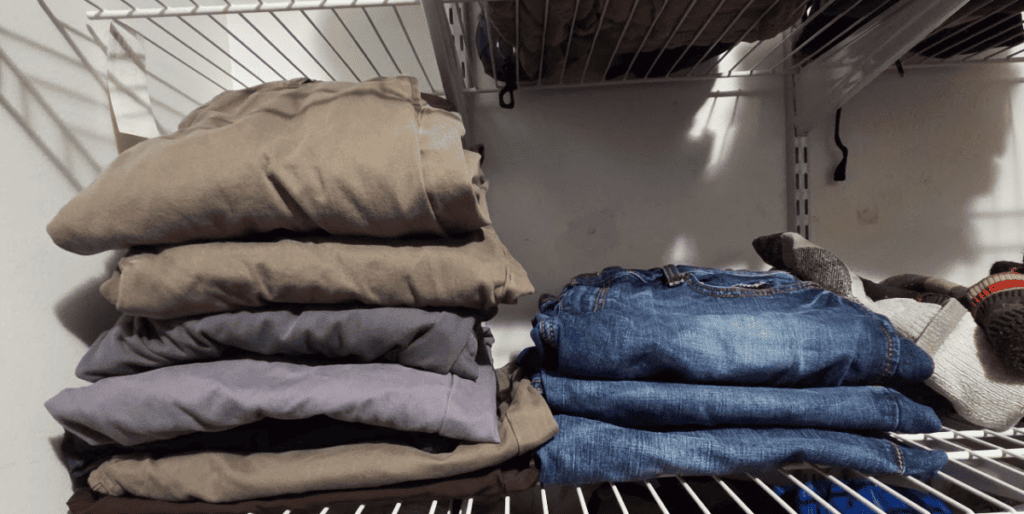
One of the biggest wins for an active professional is identifying pieces that work in multiple contexts. These crossover items help to reduce total wardrobe size without creating gaps, allowing you to invest in higher-quality pieces:
- Merino wool crewneck: WFH, around town, casual social, light outdoor layering
- OCBD in white or blue: WFH, in-office business casual, business social, Casual dinner, date night, church
- Dark straight-leg chinos with stretch: Around town, appointments, WFH, business casual office, church, date night
- Unstructured navy blazer: Office, business social, smart casual dinner, date night, church, video calls (this is the highest-utility piece in your wardrobe)
- Quality leather loafers: Around town, appointments, WFH, casual dinner, date night, church, business casual
- Dark well-fitted jeans: Casual social, date night, smart casual office, WFH
- Two-in-one running shorts: Running, lifting, swimming, hiking, fishing
- Technical performance shirt: Fishing, hiking, outdoor recreation, around town on hot days
Start building your wardrobe with the crossover pieces and work outwards. Add context-specific items as needed, The unstructured navy blazer provides the biggest bang for your buck. The runner-ups are nice chinos.
The Most Important Rule
In every context on this list, the best-dressed man is the one who looks like he thought about it for thirty seconds. The goal is intentionality, which builds confidence and projects competence.
Wear clean clothes that fit well in the right situations, and refine over time.
If you don’t know where to start, read our guide to building a capsule wardrobe that will work in every context. Make sure to also pay attention to grooming, it is just as important as how you dress. Check out the Men’s Grooming Guide: How to Look Sharp in Every Situation to continue this series.
Frequently Asked Questions
What should every man have in his wardrobe?
Focus on versatile essentials like dark jeans, chinos, OCBDs, a navy blazer, quality leather shoes, clean white sneakers, performance athletic clothing, and outerwear suited to your climate.
What colors should men buy first?
Build around neutral colors such as navy, gray, white, black, olive, and khaki before adding brighter accent pieces.
How many outfits does a man actually need?
Most men can cover nearly every situation with a thoughtfully chosen wardrobe of versatile pieces rather than a large closet full of specialized clothing.
Should men wear athletic clothes outside the gym?
Generally, no. Athletic clothing works when exercising or traveling to and from workouts, but everyday errands usually call for casual clothing like jeans, chinos, polos, or well-fitted T-shirts.
How should clothes fit?
Clothing should skim the body without being tight or baggy. Proper fit usually matters more than expensive brands.
Is business casual the same everywhere?
No. Business casual varies by company and industry. It’s usually safest to dress one level above the expected standard until you understand the culture.
Can one wardrobe work for work and outdoor hobbies?
Yes. Focus on versatile crossover pieces like chinos, merino wool sweaters, OCBDs, dark jeans, and quality footwear, then add specialized gear only for activities such as hunting, fishing, or hiking.
What shoes should every man own?
A versatile collection includes clean white sneakers, leather loafers, dress shoes, running shoes, hiking footwear, and activity-specific shoes like boots or boat shoes.
What is smart casual for men?
Smart casual combines polished basics like dark jeans or chinos with collared shirts, quality shoes, and optional layers such as a blazer. It’s more refined than everyday casual without being as formal as business attire.
What is business casual for men?
Business casual usually includes chinos or dress trousers, an OCBD or polo, leather shoes, and sometimes a blazer. The exact definition depends on the workplace.
Should men wear jeans to church?
In many churches, dark, well-fitting jeans are acceptable when paired with a collared shirt. More traditional congregations may expect dress trousers or a suit.
Can men wear sneakers with business casual?
Yes, if they’re clean, minimalist leather sneakers. Athletic running shoes generally don’t belong in business casual settings.
How do I build a versatile wardrobe?
Start with high-quality crossover pieces that work across multiple situations, then buy specialized clothing only when a specific activity requires it.
How many pairs of shoes should every man own?
A practical wardrobe can cover nearly every situation with six to eight pairs: running shoes, clean white sneakers, loafers, dress shoes (oxford or nice derby), hiking shoes or boots, work boots, and activity-specific footwear like boat shoes if needed.
Leave a Reply